Discover Premium Ceramic Products | Durability & Elegance United | Advanced Ceramics

1. Introduction
Just 24 hours ago, a major supplier of advanced ceramics announced a new line of RBSiC silicon carbide tile blocks engineered for extreme thermal cycling—highlighting growing industry focus on durability in high-heat environments. This innovation underscores how critical material integrity is when working with components like the silicon carbide crucible, a staple in metal casting, glass melting, and lab-scale synthesis.

Whether you’re a foundry technician, materials researcher, or hobbyist working with molten metals, your silicon carbide crucible is only as reliable as your handling practices. In this guide, we’ll walk you through five common issues—and exactly how to solve or prevent them.
2. Problem #1: Thermal Shock Cracking
Silicon carbide is known for its excellent thermal conductivity, but rapid temperature changes can still cause cracks. This is especially true if you heat or cool the crucible too quickly.
Solution:
- Always preheat your silicon carbide crucible gradually. Start at 200°C and increase by 100–150°C every 15–20 minutes until reaching your target temperature.
- Avoid placing a hot crucible on a cold surface or immersing it in water while hot.
- Use a programmable furnace whenever possible to control ramp rates precisely.
3. Problem #2: Metal Penetration and Erosion
When melting reactive metals like aluminum or copper alloys, molten metal can seep into the porous structure of lower-grade silicon carbide crucibles, leading to structural weakening and contamination.

Solution:
- Choose high-density reaction-bonded silicon carbide (RBSiC) crucibles, which offer superior resistance to metal penetration.
- Apply a protective wash or coating (e.g., boron nitride-based) before each use to create a barrier between the melt and crucible wall.
- Never exceed the recommended maximum operating temperature for your specific crucible grade—typically 1600–1700°C for standard silicon carbide.
4. Problem #3: Contamination from Previous Melts
Residue from prior melts—especially if slag or oxides aren’t fully removed—can contaminate new batches, affecting purity in applications like semiconductor precursor production or precious metal refining.
Solution:
- After each use, allow the crucible to cool completely, then gently chip away solidified residues with a non-metallic scraper.
- For stubborn deposits, perform a controlled burn-out cycle in an oxidizing atmosphere at 800–900°C to volatilize organics and loosen oxides.
- Store cleaned crucibles in a dry, dust-free environment to prevent airborne contamination.
5. Problem #4: Confusion Between Silicon Carbide and Similar Ceramics
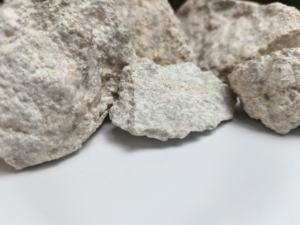
Many users mistakenly treat silicon nitride crucibles or boron carbide components the same way as silicon carbide. While all are advanced ceramics, their properties differ significantly.
For example, boron carbide vs silicon carbide: boron carbide is harder but more brittle and less thermally conductive. Silicon nitride offers better fracture toughness but lower max temperature (~1400°C) than silicon carbide.
Solution:
- Always verify the material specification before purchasing. Look for labels like ‘SiC,’ ‘RBSiC,’ or ‘silicon carbide ceramic.’
- If your application demands impact resistance over pure thermal stability, consider a custom silicon nitride heat shield or silicon nitride plate—but don’t substitute it for a silicon carbide crucible in high-temp melts.
- When sourcing from a silicon nitride crucible factory, confirm compatibility with your process chemistry and temperature profile.
6. Problem #5: Misuse in Non-Melting Applications
Some users repurpose silicon carbide crucibles as general-purpose containers—like using a silicon carbide ceramic baking dish for food. While silicon carbide is inert, industrial-grade crucibles may contain binders or impurities not food-safe.
Note: Commercial kitchenware labeled ‘silicon carbide ceramic dinner plates’ or ‘silicon carbide baking ceramic dish’ is specially formulated for culinary use and meets FDA standards. Industrial crucibles do not.
Solution:
- Never use an industrial silicon carbide crucible for food preparation unless explicitly certified for that purpose.
- For high-heat cooking, seek out verified consumer products like silicon carbide ceramic casserole dish with lid or silicon carbide ceramic oven dish designed for home kitchens.
- Similarly, avoid using crucibles as makeshift silicon carbide ceramic serving bowls or silicon carbide ceramic salad bowl—stick to purpose-built dinnerware.
7. Bonus Tip: Storage and Handling Best Practices
Even when not in use, improper storage can degrade your crucible. Always:
- Keep it upright in a dry cabinet.
- Avoid stacking heavy items on top.
- Inspect regularly for hairline cracks before reuse.
Also, remember that related components like silicon carbide tubes, silicon carbide burner nozzles, or silicon carbide ceramic columns follow similar care principles due to shared material properties.
8. Conclusion
A silicon carbide crucible is a powerful tool—but only if treated with respect for its material limits. By avoiding thermal shock, preventing metal erosion, ensuring cleanliness, understanding material differences, and using the right product for the right job, you’ll maximize both safety and longevity. Whether you’re working with silicon carbide brick linings or fine-tuning a lab process, these practical steps keep your operations running smoothly.
Our Website founded on October 17, 2012, is a high-tech enterprise committed to the research and development, production, processing, sales and technical services of ceramic relative materials such as 5. Our products includes but not limited to Boron Carbide Ceramic Products, Boron Nitride Ceramic Products, Silicon Carbide Ceramic Products, Silicon Nitride Ceramic Products, Zirconium Dioxide Ceramic Products, etc. If you are interested, please feel free to contact us.