Discover Premium Ceramic Products | Durability & Elegance United | Advanced Ceramics

1. Introduction
Silicon carbide crucibles are essential tools in metallurgy, foundries, and even advanced ceramics labs thanks to their exceptional thermal conductivity, chemical inertness, and resistance to thermal shock. But despite their durability, improper handling can lead to premature cracking or failure. Whether you’re melting metals, firing ceramics, or exploring high-temp lab work, knowing how to correctly use and care for your silicon carbide crucible is crucial.
In this guide, we’ll walk you through everything—from prepping a new crucible to troubleshooting common issues—so you get the most out of your investment. We’ll also touch on related products like silicon carbide ceramic dishes and silicon nitride components, helping you understand where each material shines.
2. Preparing Your New Silicon Carbide Crucible
Never skip the seasoning step! A brand-new silicon carbide crucible needs to be slowly heated before full use to remove any residual moisture and stabilize its microstructure.
- Place the empty crucible in your furnace or kiln.
- Heat gradually: start at 200°C (392°F) for 30 minutes, then increase to 600°C (1112°F) for another 30–60 minutes.
- Let it cool naturally inside the furnace—never quench with water or air blast.
This process prevents thermal shock and extends the crucible’s service life significantly.
3. Correct Loading and Melting Practices
Overloading or uneven heating is a top cause of crucible failure. Always follow these best practices:
- Fill the crucible no more than 75% full to allow room for expansion and bubbling.
- Use compatible charge materials—avoid highly reactive metals or slags that can corrode silicon carbide.
- Heat gradually during melting cycles. Rapid temperature spikes create stress fractures.
Also, avoid using metal tools that can scratch or gouge the interior surface. Opt for graphite or ceramic-handled tongs instead.
4. Cleaning and Storage Tips
After each use, let the crucible cool completely before cleaning. Never immerse a hot crucible in water—it will crack instantly.
- Gently tap out solidified residue.
- For stubborn buildup, use a soft-bristle brush or compressed air—never abrasive sandblasting or steel wool.
- Store in a dry, dust-free environment on a ceramic or refractory shelf—not directly on concrete, which can wick moisture.
Proper storage prevents moisture absorption, which can cause steam explosions during reheating.
5. Common Problems and How to Fix Them
Cracks, glazing, or erosion? Here’s what might be going wrong—and how to fix it:
- Hairline cracks: Often caused by rapid heating or cooling. Solution: Always ramp temperatures slowly.
- Glazed interior surface: Indicates reaction with molten material. Try using a protective flux coating or switch to a higher-purity silicon carbide grade.
- Erosion at the rim: Usually from repeated contact with tools or lids. Use a silicon carbide ring or collar for protection.
If damage is severe, replace the crucible—using a compromised one risks contamination or catastrophic failure.
6. Silicon Carbide vs. Other High-Temp Ceramics
You might wonder how silicon carbide stacks up against alternatives like boron carbide or silicon nitride.
Boron carbide vs silicon carbide? Boron carbide is harder but more brittle and expensive—better for armor, not crucibles. Silicon carbide offers the best balance of strength, thermal conductivity, and cost for melting applications.
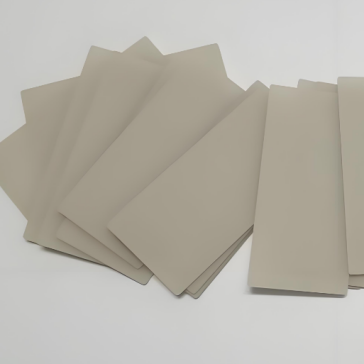
Meanwhile, silicon nitride excels in structural parts like custom silicon nitride heat shields, silicon nitride rings, or silicon nitride plates due to its superior fracture toughness—but it’s less conductive and rarely used for crucibles. That said, some specialized labs source from a silicon nitride crucible factory for ultra-pure processes.
For everyday high-temp use, silicon carbide remains the gold standard.
7. Beyond Crucibles: Everyday Uses of Silicon Carbide Ceramics
Interestingly, the same material powers your kitchen! Products like silicon carbide ceramic baking dishes, silicon carbide ceramic dinner plates, and even silicon carbide ceramic butter dishes with lids are gaining popularity for their oven-to-table durability and sleek look.
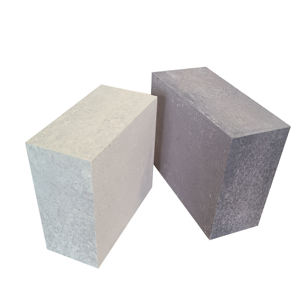
You’ll also find silicon carbide in industrial forms like rbsic silicon carbide tile blocks, silicon carbide bricks, silicon carbide burner nozzles, and silicon carbide ceramic columns—all leveraging the material’s heat resistance.
Even plumbing uses it: silicon carbide ceramic disc taps and silicon carbide ceramic grinding discs rely on its hardness and wear resistance.
And for high-temp engineering? Think silicon carbide tubes—whether as thermocouple protection tubes, furnace liners, or porous ceramic filters.
8. Conclusion
A silicon carbide crucible is a powerful ally in high-temperature work—but only if treated right. By seasoning it properly, heating gradually, avoiding mechanical abuse, and storing it dry, you’ll enjoy years of reliable service. And remember: while silicon carbide dominates in crucibles and cookware, materials like silicon nitride fill complementary roles where toughness matters more than conductivity.
Whether you’re casting aluminum in a workshop or serving casserole in a silicon carbide ceramic casserole dish with lid, understanding your materials ensures better results and longer-lasting gear.
Our Website founded on October 17, 2012, is a high-tech enterprise committed to the research and development, production, processing, sales and technical services of ceramic relative materials such as How. Our products includes but not limited to Boron Carbide Ceramic Products, Boron Nitride Ceramic Products, Silicon Carbide Ceramic Products, Silicon Nitride Ceramic Products, Zirconium Dioxide Ceramic Products, etc. If you are interested, please feel free to contact us.