Discover Premium Ceramic Products | Durability & Elegance United | Advanced Ceramics

1. Introduction
In the past 48 hours, a major industrial supplier announced a global shortage of high-purity silicon carbide raw materials due to supply chain disruptions in Asia—highlighting just how critical proper care of silicon carbide crucibles has become. With rising costs and longer lead times, extending the life of your existing crucibles isn’t just smart practice—it’s essential.
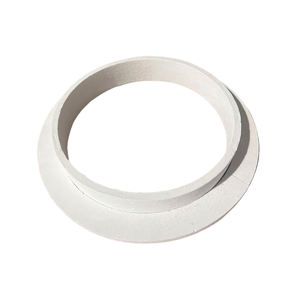
Whether you’re melting metals, firing ceramics, or running lab-scale high-temp experiments, your silicon carbide crucible is a high-performance workhorse. But misuse can lead to cracking, contamination, or premature failure. This guide gives you clear, actionable steps to use and maintain your crucible correctly.
2. What Is a Silicon Carbide Crucible?
A silicon carbide crucible is a container made from silicon carbide—a compound known for its extreme hardness, thermal conductivity, and resistance to thermal shock and chemical corrosion. Unlike traditional clay-graphite crucibles, silicon carbide versions can withstand temperatures above 1600°C (2912°F) and are widely used in foundries, laboratories, and advanced ceramics manufacturing.
Don’t confuse it with silicon nitride crucibles, which offer even higher thermal shock resistance but at a steeper price. While a silicon nitride crucible factory might produce specialized labware, silicon carbide remains the go-to for cost-effective, durable high-temp containment.
3. Step-by-Step: How to Use a Silicon Carbide Crucible Safely
3.1. Inspect Before Use
Always check your silicon carbide crucible for cracks, chips, or glaze damage. Even hairline fractures can expand under heat and cause catastrophic failure. If you spot damage, retire the crucible—it’s not worth the risk.
3.2. Preheat Gradually

Never place a cold crucible directly into a hot furnace. Thermal shock is the #1 cause of breakage. Instead, ramp up the temperature slowly:
- Start at 200–300°C (392–572°F) for 30 minutes
- Increase to 600–800°C (1112–1472°F) for another 30–60 minutes
- Then proceed to your target operating temperature
This applies whether you’re using a standalone silicon carbide crucible or one integrated into systems with silicon carbide ceramic columns or silicon carbide burner nozzles.
3.3. Avoid Contamination
Use clean, dry charge materials. Moisture or impurities can react with the crucible lining, especially if you’re working with reactive metals. Never use steel tools that can scratch the interior—opt for ceramic or graphite implements instead.
3.4. Don’t Overfill
Fill only to 70–80% capacity. Molten material expands, and splashing can erode the rim or cause spills. This is especially important if you’re using your crucible alongside accessories like silicon carbide rings or silicon carbide ceramic tubes.
4. Common Problems and How to Fix Them
4.1. Cracking After First Use
This usually means you skipped preheating or heated too quickly. Always follow the ramp-up schedule. Also, ensure your furnace has even heat distribution—hot spots can stress the crucible.
4.2. Glaze Peeling or Surface Erosion
Repeated exposure to aggressive slags or fluxes can degrade the surface. Consider using a protective coating or switching to a higher-grade RBSiC (reaction-bonded silicon carbide) crucible, similar in composition to RBSiC silicon carbide tile blocks used in industrial linings.
4.3. Sticking or Residue Buildup
After cooling, gently tap out solidified material. For stubborn residue, use a soft brush—never metal scrapers. Avoid water quenching; let it cool naturally to room temperature.
5. Maintenance and Storage Tips
Store your silicon carbide crucible in a dry, dust-free environment. Moisture absorption can lead to steam explosions during reheating. Place it on a clean shelf—never directly on concrete, which can wick moisture.
If you’re not using it for weeks, wrap it in breathable paper (not plastic) to prevent humidity buildup. And remember: a well-maintained crucible can last dozens of cycles, saving you money amid today’s tight supply of silicon carbide materials.
6. When to Replace Your Crucible
Replace your silicon carbide crucible if you notice:
- Deep cracks or structural warping
- Significant thinning of walls
- Repeated contamination of melts despite cleaning
Don’t try to patch or repair it—safety first.
7. Bonus: Silicon Carbide Beyond Crucibles
While this guide focuses on crucibles, silicon carbide’s versatility is impressive. It’s also used in silicon carbide ceramic baking dishes, silicon carbide ceramic dinner plates, and even silicon carbide ceramic serving bowls for high-end tableware. In industrial settings, you’ll find silicon carbide bricks, silicon carbide discs, silicon carbide ceramic pipes, and silicon carbide thermocouple protection tubes—all leveraging the same heat-resistant properties.
For comparison, boron carbide vs silicon carbide often comes up in armor and abrasives, but for high-temp containment, silicon carbide wins on cost and manufacturability. Meanwhile, custom silicon nitride heat shields or silicon nitride plates serve niche roles where extreme thermal shock resistance is non-negotiable.
8. Conclusion
Using a silicon carbide crucible properly isn’t complicated—but it does require attention to detail. By preheating gradually, avoiding contamination, and storing it correctly, you’ll get maximum performance and longevity. In today’s market, where raw material constraints are tightening, smart maintenance isn’t just good practice—it’s a necessity.
Our Website founded on October 17, 2012, is a high-tech enterprise committed to the research and development, production, processing, sales and technical services of ceramic relative materials such as How. Our products includes but not limited to Boron Carbide Ceramic Products, Boron Nitride Ceramic Products, Silicon Carbide Ceramic Products, Silicon Nitride Ceramic Products, Zirconium Dioxide Ceramic Products, etc. If you are interested, please feel free to contact us.