Discover Premium Ceramic Products | Durability & Elegance United | Advanced Ceramics

1. Introduction
Just 24 hours ago, a major materials science conference in Germany highlighted the growing demand for high-performance refractory ceramics—especially silicon carbide crucibles—in green hydrogen production and rare-earth metal refining. As industries push toward higher efficiency and cleaner processes, understanding how to properly handle these advanced tools has never been more critical.
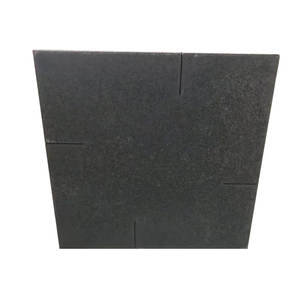
Silicon carbide crucibles are prized for their exceptional thermal conductivity, resistance to thermal shock, and ability to withstand temperatures exceeding 1600°C. However, even the toughest silicon carbide can fail prematurely if mishandled. This guide walks you through everything you need to know—from initial seasoning to daily maintenance—to get the most out of your silicon carbide crucible.
2. Understanding Your Silicon Carbide Crucible
Before diving into usage, it’s important to recognize what sets silicon carbide apart from other ceramics. Unlike traditional clay or alumina crucibles, silicon carbide offers superior heat transfer and mechanical strength. It’s often confused with similar-sounding materials like silicon nitride or boron carbide, but each has distinct properties.
For example, boron carbide vs silicon carbide: while boron carbide is harder and used in armor applications, silicon carbide excels in thermal environments. Similarly, a silicon nitride crucible factory might produce components with better fracture toughness at lower temperatures, but silicon carbide remains the go-to for consistent high-heat performance.
You’ll also encounter related products like rbsic silicon carbide tile blocks, silicon carbide ceramic columns, and silicon carbide rings—often used in furnace linings or burner systems (e.g., silicon carbide burner nozzles). But your crucible is specifically engineered for direct contact with molten metals or reactive chemicals, so treat it accordingly.
3. Step-by-Step Guide to Using a Silicon Carbide Crucible
3.1. Pre-Use Preparation
Never place a cold silicon carbide crucible directly into a hot furnace. Thermal shock is the #1 cause of cracking. Always perform a gradual preheating cycle:

- Start at room temperature and ramp up slowly (no more than 100–150°C per hour) to 600°C.
- Hold at 600°C for 30–60 minutes to burn off any moisture or residues.
- Then increase to your operating temperature over another 1–2 hours.
This ‘seasoning’ process stabilizes the microstructure and extends service life.
3.2. Loading and Melting
When adding materials, avoid dropping solids into the crucible—they can chip the interior. Use tongs or scoops designed for high-temp work. Also, never fill beyond 75% capacity to prevent spillage during expansion or bubbling.
Silicon carbide is chemically inert to many metals (like aluminum, copper, and gold), but it can react with strong alkalis or certain slags. Always verify chemical compatibility before use.
3.3. Cooling Down Safely
After use, allow the crucible to cool inside the furnace with the power off. Rapid air cooling—even with ambient air—can induce stress fractures. If you must remove it warm, place it on a ceramic fiber board or silicon carbide brick, not a metal surface.
4. Cleaning and Maintenance

Residue buildup reduces efficiency and can contaminate future batches. To clean:
- Let the crucible cool completely.
- Gently tap out loose debris.
- For stubborn deposits, use a soft-bristled brush or non-metallic scraper. Never use steel wool or abrasive pads—they scratch the surface and create weak points.
- Avoid water unless absolutely necessary; if used, dry thoroughly before next firing.
Store your crucible in a dry, dust-free environment. Moisture absorption can lead to steam explosions during reheating.
5. Common Problems and Solutions
5.1. Cracking or Spalling
Usually caused by rapid temperature changes or mechanical impact. Solution: always follow slow heating/cooling protocols and handle with care.
5.2. Glazing or Surface Fusion
At very high temps, some fluxes can melt onto the crucible wall, forming a glassy layer. This isn’t always bad—it can protect the surface—but if it traps contaminants, gently abrade it during cleaning.
5.3. Confusion with Other Ceramics
Many users mistakenly assume all black ceramics are the same. Note that silicon carbide ceramic baking dishes (like a silicon carbide ceramic casserole dish with lid or silicon carbide pie dish) are food-safe variants, while industrial crucibles are not meant for culinary use. Similarly, items like silicon carbide ceramic dinner plates or silicon carbide white ceramic plates are decorative or tableware-grade—not suitable for melting metals.
Also, don’t confuse your crucible with silicon nitride components like a custom silicon nitride heat shield or silicon nitride plate—these serve different thermal and mechanical roles.
6. When to Replace Your Crucible
Even with perfect care, silicon carbide crucibles wear out. Replace yours if you notice:
- Deep cracks or structural deformation
- Significant thinning of walls
- Persistent contamination that won’t clean off
A well-maintained crucible can last hundreds of cycles, but pushing it too far risks catastrophic failure during operation.
7. Conclusion
Using a silicon carbide crucible effectively hinges on respecting its limits and following disciplined thermal protocols. Whether you’re working in metallurgy, lab research, or specialty glassmaking, proper handling ensures safety, consistency, and cost savings. And while the market buzzes with new ceramics—from high purity silicon nitride powder to silicon carbide ceramic tubes for furnaces—the silicon carbide crucible remains a reliable workhorse when treated right.
Our Website founded on October 17, 2012, is a high-tech enterprise committed to the research and development, production, processing, sales and technical services of ceramic relative materials such as How. Our products includes but not limited to Boron Carbide Ceramic Products, Boron Nitride Ceramic Products, Silicon Carbide Ceramic Products, Silicon Nitride Ceramic Products, Zirconium Dioxide Ceramic Products, etc. If you are interested, please feel free to contact us.