Discover Premium Ceramic Products | Durability & Elegance United | Advanced Ceramics

1. Introduction
Just 24 hours ago, a major materials science conference in Dresden revealed breakthrough data on the thermal shock resistance of next-gen silicon carbide crucibles—proving they can withstand over 1,600°C with minimal degradation. Cue the standing ovation from metallurgists and ceramicists alike. But here’s the twist: while engineers geek out over molten metal containment, your grandma might be serving her famous casserole in a silicon carbide ceramic baking dish without even knowing it.

Yes, folks—the same ultra-hard, heat-loving compound used in aerospace and steel foundries is also quietly revolutionizing kitchenware, plumbing, and decorative ceramics. Let’s unpack why silicon carbide crucibles are more than just industrial workhorses—and how they stack up against their ceramic cousins.
2. Silicon Carbide Crucible: The High-Temp MVP
A silicon carbide crucible is essentially a container made from sintered silicon carbide (SiC), engineered to hold molten metals, glass, or other materials at extreme temperatures. Thanks to its exceptional thermal conductivity, low thermal expansion, and resistance to chemical corrosion, it outperforms traditional clay-graphite or alumina crucibles in demanding applications.
But not all silicon carbide is created equal. You’ve got reaction-bonded silicon carbide (RBSiC), nitride-bonded, and sintered variants—each with trade-offs in cost, porosity, and mechanical strength. RBSiC silicon carbide tile blocks, for instance, are dense and tough, making them ideal for furnace linings and crucible construction.
3. Boron Carbide vs Silicon Carbide: The Ultimate Ceramic Showdown
Enter boron carbide—the lightweight, ultra-hard alternative often used in armor and abrasives. While boron carbide boasts a higher hardness (around 30 GPa vs. SiC’s 25 GPa), it’s significantly more expensive and far less thermally conductive.
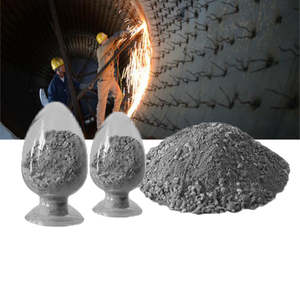
- Boron carbide: great for stopping bullets, lousy for evenly heating your casserole.
- Silicon carbide: cheaper, tougher under thermal cycling, and versatile enough to moonlight as dinnerware.
For crucible applications, silicon carbide wins hands down. Boron carbide’s brittleness and cost make it impractical for large-scale, high-heat containment.
4. Silicon Nitride: The Elegant (But Pricier) Cousin
Now, let’s talk about silicon nitride—a ceramic that’s like silicon carbide’s sophisticated European cousin who drinks espresso and quotes Nietzsche. Silicon nitride ceramic components, including silicon nitride crucibles from specialized factories, offer superior fracture toughness and oxidation resistance above 1,400°C.
However, high purity silicon nitride powder market prices remain steep, limiting its use to niche aerospace or semiconductor applications. You won’t find a silicon nitride ceramic butter dish at your local kitchen store—though a custom silicon nitride heat shield? Absolutely.
In contrast, silicon carbide ceramic plates for dinner, silicon carbide ceramic serving bowls, and even silicon carbide Christmas ceramic platters are commercially available. Yes, you can serve holiday cookies on a plate made from the same material that lines rocket nozzles.

5. Beyond the Crucible: The Everyday Magic of Silicon Carbide Ceramics
Silicon carbide’s reach extends far beyond foundries. Consider these everyday (and not-so-everyday) items:
- Silicon carbide ceramic baking dish and silicon carbide oven ceramic dish: perfect for even heating and thermal shock resistance.
- Silicon carbide ceramic pasta bowls and silicon carbide ceramic salad bowl: durable, non-porous, and dishwasher-safe.
- Silicon carbide black ceramic plates and silicon carbide white ceramic plates: stylish, chip-resistant, and Instagram-worthy.
- Silicon carbide ceramic disc taps and silicon carbide ceramic plumbing pipe: used in high-wear valve components and corrosive fluid handling.
Even silicon carbide ceramic columns and silicon carbide ring components find use in industrial filtration and furnace hardware. And let’s not forget silicon carbide burner nozzles—critical for clean, efficient combustion in kilns.
6. Tubes, Discs, and Other Silicon Carbide Oddities
The versatility of silicon carbide shines in tubular and disc forms. Silicon carbide thermocouple protection tubes shield sensors in molten metal baths. Silicon carbide porous ceramic tubes enable gas diffusion in chemical reactors.
Meanwhile, silicon carbide grinding discs and silicon carbide diamond grinding discs for pottery keep ceramic artists’ wheels spinning smoothly. And yes—there are even silicon carbide piezo ceramic discs, though they’re far less common than traditional PZT variants.
For high-temp labs, a silicon carbide tube furnace lined with silicon carbide mullite tube segments offers unmatched longevity. Compare that to standard alumina tubes, which crack under repeated thermal cycling.
7. Conclusion
From the heart of a steel mill to your holiday dinner table, the silicon carbide crucible is just the tip of the SiC iceberg. Its blend of thermal resilience, mechanical strength, and surprising aesthetic flexibility makes it a ceramic superstar. While silicon nitride may win in ultra-high-end niches and boron carbide dominates hardness charts, silicon carbide remains the people’s champion—equally at home in a foundry, a faucet, or a festive silicon carbide ceramic casserole dish with lid. So next time you pull a pie from the oven in your silicon carbide ceramic pie dish, tip your hat to the material that melts metals and bakes pies with equal grace.
Our Website founded on October 17, 2012, is a high-tech enterprise committed to the research and development, production, processing, sales and technical services of ceramic relative materials such as Silicon. Our products includes but not limited to Boron Carbide Ceramic Products, Boron Nitride Ceramic Products, Silicon Carbide Ceramic Products, Silicon Nitride Ceramic Products, Zirconium Dioxide Ceramic Products, etc. If you are interested, please feel free to contact us.