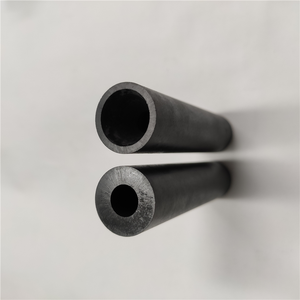
Discover Premium Ceramic Products | Durability & Elegance United | Advanced Ceramics

1. Introduction
When you think of dinnerware or plumbing parts, silicon carbide might not come to mind—but in the world of advanced materials, this ultra-hard ceramic is a powerhouse. While keywords like ‘silicon carbide ceramic dinner plates’ or ‘silicon carbide baking dish Staub’ pop up in consumer searches, the real magic of silicon carbide happens far from the kitchen. One of its most demanding—and least visible—applications is in the production of high-purity silicon crystals for semiconductors, where the silicon carbide crucible plays a starring role.
2. Why Silicon Carbide Crucibles? The Semiconductor Connection
Semiconductor manufacturing starts with molten silicon. To grow single-crystal ingots (via the Czochralski or Float Zone methods), that silicon must be held at temperatures above 1,400°C in an inert atmosphere. Traditional quartz crucibles degrade under these conditions, leaching impurities into the melt. Graphite crucibles, while heat-resistant, react with molten silicon and introduce carbon contamination.
Enter the silicon carbide crucible. Made from sintered or reaction-bonded silicon carbide (often labeled as RBSC silicon carbide tile block in industrial contexts), it offers exceptional thermal stability, chemical inertness, and mechanical strength at extreme temperatures. Crucially, it minimizes contamination—ensuring the resulting silicon wafers meet the stringent purity standards required for modern microchips.
3. Beyond the Crucible: Supporting Components in High-Temp Systems
A silicon carbide crucible doesn’t work alone. It’s part of a larger high-temperature ecosystem that includes specialized components engineered for durability and precision:
- Silicon carbide thermocouple protection tubes shield temperature sensors from corrosive melts.
- Silicon carbide ceramic tubes for furnace applications provide structural support and insulation.
- Silicon carbide burner nozzles deliver consistent flame profiles in heating zones.
- Silicon carbide ring and silicon carbide brick elements help maintain uniform thermal fields.
These parts—alongside silicon carbide ceramic columns and porous ceramic tubes—ensure process stability during crystal growth, directly impacting yield and wafer quality.
4. Silicon Carbide vs. Alternatives: Why Not Boron Carbide or Silicon Nitride?
You might wonder: what about boron carbide vs silicon carbide? While boron carbide is harder, it’s more expensive, brittle, and less thermally conductive—making it unsuitable for large crucibles. Silicon nitride, another advanced ceramic, excels in toughness and thermal shock resistance but lacks the high-temperature oxidation stability needed for prolonged exposure to molten silicon.

That said, silicon nitride has its own niche. A silicon nitride crucible factory might produce vessels for lower-temperature metal casting or lab-scale experiments, and custom silicon nitride heat shields are common in aerospace. But for bulk semiconductor crystal growth, silicon carbide remains unmatched.
5. From Industrial Furnaces to Kitchen Countertops: A Material of Many Faces
It’s fascinating how the same base material appears in wildly different forms. The same silicon carbide used in crucibles also shows up in:
- Silicon carbide ceramic baking dishes and casserole dishes (marketed for even heating and durability).
- Silicon carbide ceramic serving bowls and dinner plates—often black or handcrafted for aesthetic appeal.
- Silicon carbide ceramic disc taps and grinding discs for plumbing and pottery finishing.
However, these consumer items use lower-purity, often glazed silicon carbide composites. They’re designed for thermal performance and aesthetics, not semiconductor-grade cleanliness. Don’t confuse your silicon carbide ceramic butter dish with the crucible growing the chips inside your smartphone!
6. Manufacturing Challenges and Purity Demands
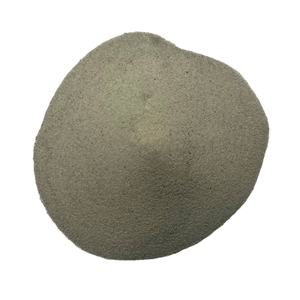
Producing a high-performance silicon carbide crucible isn’t simple. It requires high purity silicon carbide powder, controlled sintering atmospheres, and precise dimensional tolerances. Even trace metals can ruin a semiconductor batch. This is why crucibles for crystal growth are made under cleanroom-like conditions—far removed from the processes used for silicon carbide ceramic pipes or oven dishes.
Interestingly, the high purity silicon nitride powder market faces similar challenges, underscoring how purity dictates application across advanced ceramics.
7. Conclusion
While ‘silicon carbide ceramic Christmas plates’ might catch the eye online, the true frontier of silicon carbide lies in enabling tomorrow’s technology—starting with the humble yet heroic silicon carbide crucible. In the quiet heart of a crystal puller, this unassuming vessel helps forge the foundation of everything from AI processors to electric vehicles. It’s a perfect example of how a niche industrial component can have an outsized impact on the modern world.
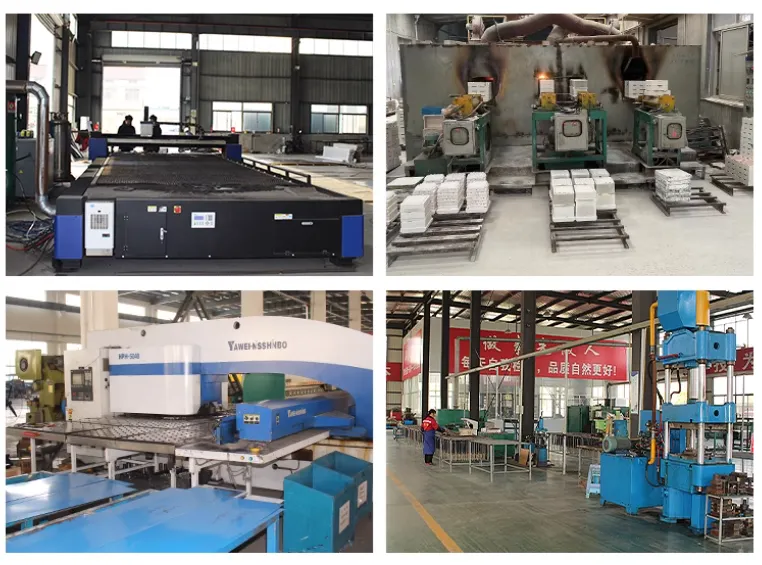
Our Website founded on October 17, 2012, is a high-tech enterprise committed to the research and development, production, processing, sales and technical services of ceramic relative materials such as Silicon. Our products includes but not limited to Boron Carbide Ceramic Products, Boron Nitride Ceramic Products, Silicon Carbide Ceramic Products, Silicon Nitride Ceramic Products, Zirconium Dioxide Ceramic Products, etc. If you are interested, please feel free to contact us.
RELATED POSTS
测试文章标题
How to Properly Use and Maintain a Silicon Carbide Crucible to Avoid Common Failures?
Significant Progress In China’S Silicon Nitride Powder Preparation Technology
Understand Everything About Silicon Carbide Crucibles and Their Industrial & Domestic Uses