Discover Premium Ceramic Products | Durability & Elegance United | Advanced Ceramics

1. Introduction
If you’ve ever worked with molten metals, high-temperature furnaces, or even premium oven-safe cookware, chances are you’ve encountered a silicon carbide crucible—or at least benefited from its remarkable properties. Silicon carbide (SiC) is one of the hardest and most thermally stable materials known to modern engineering, making it ideal for both industrial and domestic applications.
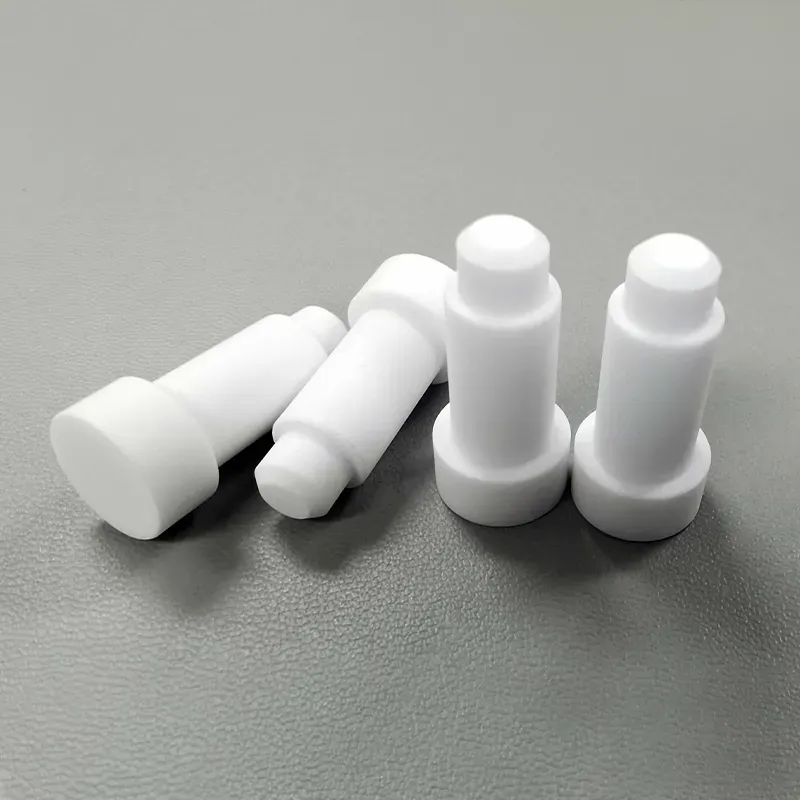
From foundries to fine dining, silicon carbide crucibles and related ceramic products offer unmatched durability, thermal shock resistance, and chemical inertness. In this article, we’ll break down what makes silicon carbide so special, how it’s used in crucibles and beyond, and why it’s often preferred over alternatives like boron carbide or silicon nitride.
2. What Is a Silicon Carbide Crucible?
A silicon carbide crucible is a container made from silicon carbide ceramic, designed to withstand extreme temperatures—often exceeding 1600°C (2912°F)—without deforming or reacting with the materials inside. These crucibles are commonly used in metallurgy, glassmaking, and laboratory settings where purity and stability are critical.
Silicon carbide itself is a compound of silicon and carbon, synthesized at high temperatures. Its covalent bonding structure gives it exceptional hardness (close to diamond), excellent thermal conductivity, and low thermal expansion—making it perfect for applications involving rapid heating and cooling cycles.
3. Key Properties That Make Silicon Carbide Crucibles Stand Out
- Extreme heat resistance: Can handle temperatures up to 1700°C in inert atmospheres.
- High thermal conductivity: Distributes heat evenly, reducing hot spots.
- Excellent thermal shock resistance: Won’t crack when moved from cold to hot environments quickly.
- Chemical inertness: Resists corrosion from acids, alkalis, and molten metals.
- Mechanical strength: Maintains structural integrity under heavy loads at high temperatures.
4. Industrial Applications Beyond Crucibles
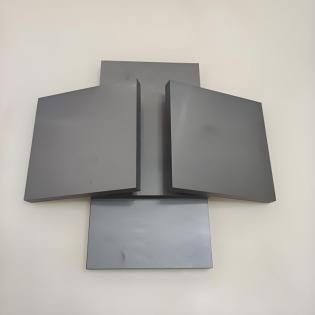
While the silicon carbide crucible is a star in foundries and labs, silicon carbide ceramics appear in many other high-performance components. These include:
- Silicon carbide ceramic tiles and rbsic silicon carbide tile blocks for kiln linings and wear-resistant surfaces.
- Silicon carbide ceramic columns and silicon carbide rings used in filtration and structural supports.
- Silicon carbide burner nozzles and silicon carbide bricks in industrial furnaces for efficient, long-lasting combustion systems.
- Silicon carbide tubes—including silicon carbide thermocouple protection tubes, porous ceramic tubes, and silicon carbide mullite tubes—for high-temperature gas or liquid handling.
- Silicon carbide discs and grinding discs (including diamond-coated variants) for precision machining of ceramics and stone.
5. Silicon Carbide vs. Other Advanced Ceramics
When choosing high-performance ceramics, engineers often compare silicon carbide with alternatives like boron carbide and silicon nitride.
Boron carbide vs silicon carbide: Boron carbide is harder and used in armor and abrasives, but it’s more brittle and expensive. Silicon carbide offers better thermal conductivity and is more cost-effective for crucibles and structural parts.
Silicon nitride, on the other hand, excels in fracture toughness and is often used in bearings and engine components. While a silicon nitride crucible factory might produce specialized labware, silicon carbide remains the go-to for most high-heat containment needs. Custom silicon nitride heat shields, silicon nitride plates, and silicon nitride rings serve niche roles where impact resistance is critical.
The high purity silicon nitride powder market continues to grow, but silicon carbide still dominates in thermal applications due to its superior conductivity and oxidation resistance.

6. Unexpected Uses: Silicon Carbide in the Kitchen
Believe it or not, silicon carbide isn’t just for factories—it’s also found in your kitchen. Thanks to its non-toxic nature and thermal stability, it’s used in premium ceramic bakeware and dinnerware.
You’ll find products like silicon carbide ceramic baking dishes, silicon carbide casserole dishes with lids, and even silicon carbide ceramic butter dishes with lids. Brands sometimes market these as ‘silicon carbide baking dish Staub’-style items, emphasizing durability and even heating.
Other examples include:
- Silicon carbide ceramic dinner plates (available in white, black, blue-white porcelain styles, and even handcrafted or Christmas-themed designs)
- Silicon carbide ceramic serving bowls, salad bowls, pasta bowls, and ramekins
- Silicon carbide ceramic oven dishes, baking trays, and pie dishes
- Silicon carbide ceramic children’s plates and sugar dishes
These items combine aesthetic appeal with practical benefits: they go from freezer to oven without cracking and retain heat beautifully for serving.
7. Plumbing, Piping, and Precision Components
Silicon carbide’s versatility extends to fluid control and precision engineering. Silicon carbide ceramic pipes and plumbing components resist corrosion and wear in aggressive environments.
In faucets and valves, you’ll find silicon carbide ceramic disc taps, quarter-turn taps, and tap glands—valued for their smooth operation and longevity. Silicon carbide ceramic disk magnets and piezoelectric discs also appear in sensors and actuators.
For industrial processes requiring filtration or gas diffusion, silicon carbide porous ceramic tubes offer controlled permeability at high temperatures.
8. Conclusion
The silicon carbide crucible is just the tip of the iceberg when it comes to this remarkable ceramic material. From enabling clean metal casting in foundries to gracing dinner tables with elegant, durable dishware, silicon carbide proves its worth across industries. Whether you’re comparing boron carbide vs silicon carbide for armor, sourcing rbsic silicon carbide tile blocks for a furnace, or shopping for a silicon carbide ceramic casserole dish, one thing is clear: silicon carbide delivers performance you can count on—hot, cold, or anywhere in between.
Our Website founded on October 17, 2012, is a high-tech enterprise committed to the research and development, production, processing, sales and technical services of ceramic relative materials such as Understand. Our products includes but not limited to Boron Carbide Ceramic Products, Boron Nitride Ceramic Products, Silicon Carbide Ceramic Products, Silicon Nitride Ceramic Products, Zirconium Dioxide Ceramic Products, etc. If you are interested, please feel free to contact us.