Discover Premium Ceramic Products | Durability & Elegance United | Advanced Ceramics

1. Introduction
Just 24 hours ago, a major materials supplier announced a breakthrough in sintering technology that significantly extends the lifespan of silicon carbide crucibles used in rare-earth metal refining—a process critical for electric vehicle battery production. This news underscores the ongoing industrial reliance on silicon carbide despite the emergence of advanced alternatives like silicon nitride. But why does silicon carbide crucible remain the go-to choice in high-temperature, corrosive environments?
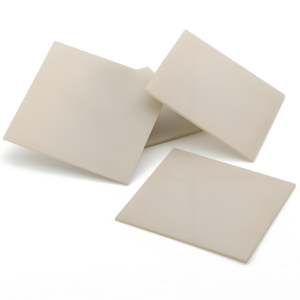
In this deep dive, we’ll compare silicon carbide crucibles with silicon nitride counterparts, dissect their material science, evaluate real-world performance, and clarify how the broader silicon carbide ceramic ecosystem—from baking dishes to thermocouple tubes—relies on the same foundational properties.
2. Silicon Carbide vs. Silicon Nitride: Core Material Differences
Silicon carbide (SiC) and silicon nitride (Si3N4) are both advanced ceramics, but their atomic structures lead to vastly different behaviors under stress and heat. Silicon carbide boasts exceptional thermal conductivity (up to 120 W/m·K), hardness (9.5 on Mohs scale), and oxidation resistance up to 1600°C. In contrast, silicon nitride excels in fracture toughness and thermal shock resistance but has lower thermal conductivity (~30 W/m·K).
For crucible applications—where rapid heating, chemical inertness, and structural stability are non-negotiable—silicon carbide’s superior thermal management and resistance to molten metal corrosion give it a decisive edge. While a silicon nitride crucible factory might produce high-quality labware for specialized alloys, industrial-scale metal casting still overwhelmingly favors silicon carbide crucible designs.
3. Types of Silicon Carbide Crucibles and Manufacturing Methods
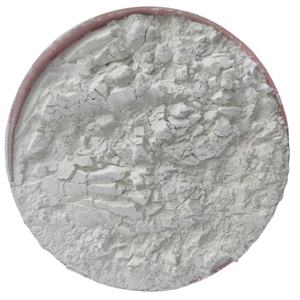
Not all silicon carbide crucibles are created equal. The three main types include:
- Reaction-bonded silicon carbide (RBSiC): Made by infiltrating porous carbon preforms with molten silicon. RBSiC silicon carbide tile blocks and crucibles offer excellent dimensional stability and are cost-effective for large components.
- Sintered silicon carbide (SSiC): Uses high-purity silicon carbide powder with sintering aids, fired at >2000°C. Delivers near-theoretical density and is ideal for high-purity applications like semiconductor crystal growth.
- Nitride-bonded silicon carbide (NBSiC): Combines SiC grains with a silicon nitride matrix, offering good thermal shock resistance but slightly lower corrosion resistance than SSiC.
Each method affects porosity, strength, and chemical compatibility—critical factors when melting aluminum, copper, or even reactive metals like titanium.
4. Beyond Crucibles: The Expanding Universe of Silicon Carbide Ceramics
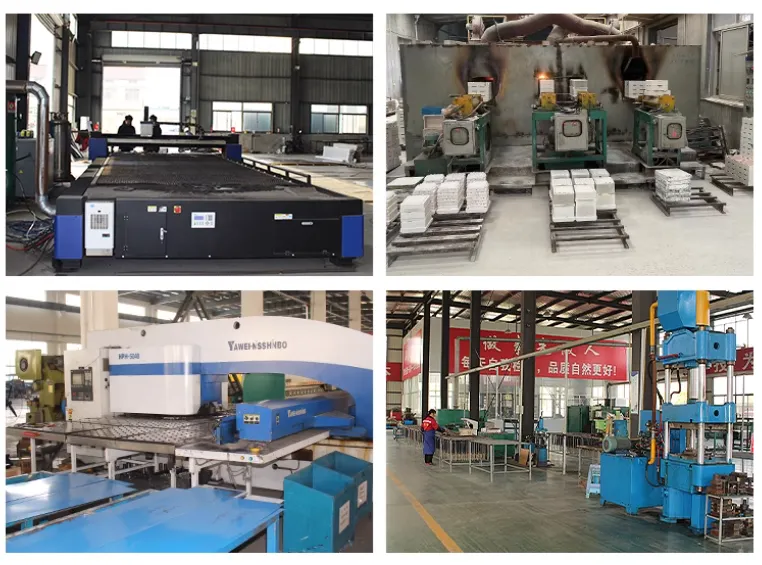
The same properties that make silicon carbide crucible ideal for foundries also enable diverse applications. For instance, silicon carbide ceramic tiles line kilns and furnaces, while silicon carbide burner nozzles withstand flame erosion in industrial heaters. In plumbing, silicon carbide ceramic disc taps and silicon carbide ceramic disk for tap components leverage wear resistance for longevity.
Even in consumer goods, you’ll find silicon carbide ceramic baking dish, silicon carbide ceramic dinner plates, and silicon carbide ceramic serving bowls—though these are typically composites or glazes containing SiC, not pure monolithic forms. Similarly, items like silicon carbide ceramic butter dish with lid or silicon carbide blue white porcelain plates use SiC for thermal retention and durability, not structural load-bearing.
Meanwhile, industrial components like silicon carbide thermocouple protection tubes, silicon carbide ceramic tube for furnace, and silicon carbide porous ceramic tube rely on the material’s stability in aggressive atmospheres—something boron carbide vs silicon carbide comparisons often overlook, as boron carbide is harder but far more brittle and expensive.
5. When Silicon Nitride Might Be Preferable
Despite silicon carbide’s dominance, silicon nitride has niches. Custom silicon nitride heat shield components in aerospace benefit from Si3N4’s ability to absorb mechanical shock without cracking. Silicon nitride ring seals in high-speed turbines and silicon nitride plate insulators in electronics also leverage its superior toughness.
However, the high purity silicon nitride powder market remains constrained by cost and processing complexity. For crucibles, unless you’re handling ultra-reactive melts where even trace SiC decomposition is unacceptable, silicon carbide crucible remains more practical, available, and economical.
6. Conclusion
The silicon carbide crucible isn’t just a container—it’s a high-performance engineering solution forged from one of the toughest ceramics known. While silicon nitride offers compelling advantages in specific mechanical scenarios, silicon carbide’s unmatched blend of thermal conductivity, chemical inertness, and manufacturability secures its place in foundries, labs, and even kitchens. As sintering innovations continue to push performance boundaries, expect silicon carbide ceramics—from rbsic silicon carbide tile block to silicon carbide ceramic casserole dish with lid—to remain at the forefront of both industrial and everyday applications.
Our Website founded on October 17, 2012, is a high-tech enterprise committed to the research and development, production, processing, sales and technical services of ceramic relative materials such as Why. Our products includes but not limited to Boron Carbide Ceramic Products, Boron Nitride Ceramic Products, Silicon Carbide Ceramic Products, Silicon Nitride Ceramic Products, Zirconium Dioxide Ceramic Products, etc. If you are interested, please feel free to contact us.