Discover Premium Ceramic Products | Durability & Elegance United | Advanced Ceramics

PRODUCT PARAMETERS
Description
Overview of aluminum nitride ceramics
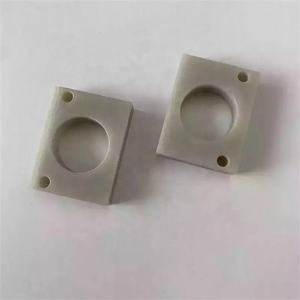
Aluminum Nitride Ceramic is an advanced ceramic material with aluminum nitride as the main component. It has been widely used in electronics, optics, and mechanics due to its unique properties.
Features of aluminum nitride ceramics
High thermal conductivity: Aluminum nitride ceramics have relatively high thermal conductivity, usually between 170-260 W/m·K, which makes it an excellent heat dissipation material. It is especially suitable for electronic devices that require efficient heat dissipation, such as substrate materials for power semiconductor devices.
Good electrical insulation: Despite its high thermal conductivity, aluminum nitride ceramics are excellent insulators of electricity, which can effectively prevent current leakage and ensure the safe operation of electronic components.
Low dielectric constant and dielectric loss: These characteristics make aluminum nitride ceramics very suitable for use in high-frequency circuits because it can reduce energy loss during signal transmission.
High temperature resistance: Aluminum nitride ceramics can maintain structural stability and strength at extremely high temperatures. Its melting point is about 2800°C, so it is suitable for applications in high temperature environments.
Low thermal expansion coefficient: Compared with semiconductor materials such as silicon, aluminum nitride has a lower thermal expansion coefficient, which means it has better dimensional stability when the temperature changes, which helps improve packaging reliability.
Corrosion resistance: Aluminum nitride ceramics have good chemical stability to most molten metals and are not easily oxidized or corroded, allowing them to perform well in harsh environments.
High mechanical strength: Although not as hard as some other types of ceramic materials, aluminum nitride ceramics still provide enough mechanical strength to allow them to be used in many structural applications.
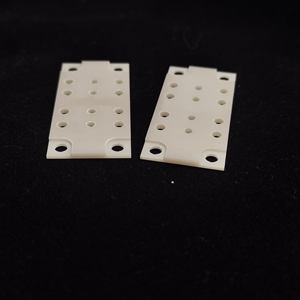
(High Thermal Conductivity AlN Ceramic Aluminum Nitride Crucible)
Specifications of High Thermal Conductivity AlN Ceramic Aluminum Nitride Crucible
The High Thermal Conductivity AlN Ceramic Light Weight Aluminum Nitride Crucible is designed for demanding high-temperature applications. It is made from light weight aluminum nitride, a material recognized for its outstanding thermal efficiency. The crucible provides a thermal conductivity of 170-200 W/m · K, which is dramatically more than standard alumina or quartz crucibles. This building ensures rapid warmth distribution, decreasing temperature gradients throughout processes like steel melting or crystal development.
The product can withstand temperature levels approximately 2200 ° C in inert atmospheres. It preserves stability in vacuum atmospheres, making it suitable for sophisticated semiconductor production. The crucible resists chemical rust from liquified metals, salts, and acids. This longevity expands its life expectancy in extreme industrial setups.
Aluminum nitride crucibles have low thermal growth, reducing the threat of cracking under rapid temperature modifications. Their mechanical strength approaches other sophisticated porcelains, ensuring architectural integrity under heavy tons. The smooth surface area coating protects against contamination of sensitive products, a crucial feature for electronic element production.
Requirement measurements include outer diameters varying from 20 mm to 200 mm, with custom sizes available. Wall density is enhanced for heat transfer performance, commonly in between 3 mm and 10 mm. The style sustains both induction heating and resistance heater.
Applications consist of steel filtration, sapphire crystal growth, and high-purity alloy processing. The crucible works with products like gallium arsenide, silicon, and uncommon earth metals. Its non-reactive nature preserves product pureness during high-temperature responses.
Electric insulation homes stop short circuits in electronic applications. The material’s reduced dielectric loss is advantageous for high-frequency processes. Customers benefit from minimized power usage due to effective heat administration.
Cleansing the crucible is uncomplicated, requiring non-abrasive methods to maintain surface top quality. Appropriate handling avoids mechanical shock, preserving performance over several cycles. This product is ideal for markets prioritizing accuracy, integrity, and cost-efficiency in high-temperature procedures.
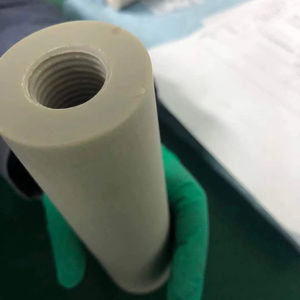
(High Thermal Conductivity AlN Ceramic Aluminum Nitride Crucible)
Applications of High Thermal Conductivity AlN Ceramic Aluminum Nitride Crucible
High thermal conductivity AlN ceramic aluminum nitride crucibles are commonly made use of in sectors requiring reliable high-temperature performance. These crucibles take care of extreme warm and offer superb thermal administration. Their essential functions consist of effective warm transfer, resistance to thermal shock, and stability in destructive setups.
In semiconductor production, AlN crucibles are vital. They handle high temperatures throughout crystal development and wafer handling. The product’s thermal conductivity makes certain also warm distribution, lowering flaws in silicon or gallium arsenide manufacturing. This enhances item quality and procedure effectiveness.
The LED sector relies on AlN crucibles for expanding high-purity crystals. Accurate temperature control is essential for generating bright, lasting LEDs. Aluminum nitride’s stability prevents contamination, ensuring regular crystal structures. This leads to better-performing LED components.
Metal processing makes use of these crucibles for melting and spreading reactive metals like light weight aluminum or magnesium. Conventional materials frequently fail under such conditions. AlN crucibles endure molten metals without splitting or weakening. Their thermal effectiveness quicken melting, saving power and time.
Chemical laboratories and plants make use of AlN crucibles for dealing with aggressive substances. Acids, alkalis, and molten salts trigger corrosion in regular crucibles. Light weight aluminum nitride resists chemical assault, preserving honesty over duplicated usages. This reduces downtime and substitute costs.
Aerospace and research study markets take advantage of AlN crucibles in high-stress experiments. Their capability to withstand fast temperature adjustments makes them suitable for evaluating brand-new products under extreme conditions. Regular performance makes sure precise data collection.
These crucibles are likewise chosen for their sturdiness. They last much longer than options like quartz or graphite, cutting lasting costs. Their lightweight layout streamlines handling without giving up strength.
AlN crucibles fulfill strict market requirements for pureness and efficiency. They are without impurities that could jeopardize delicate processes. This makes them a trusted option for sophisticated production and research study applications.

Company Introduction
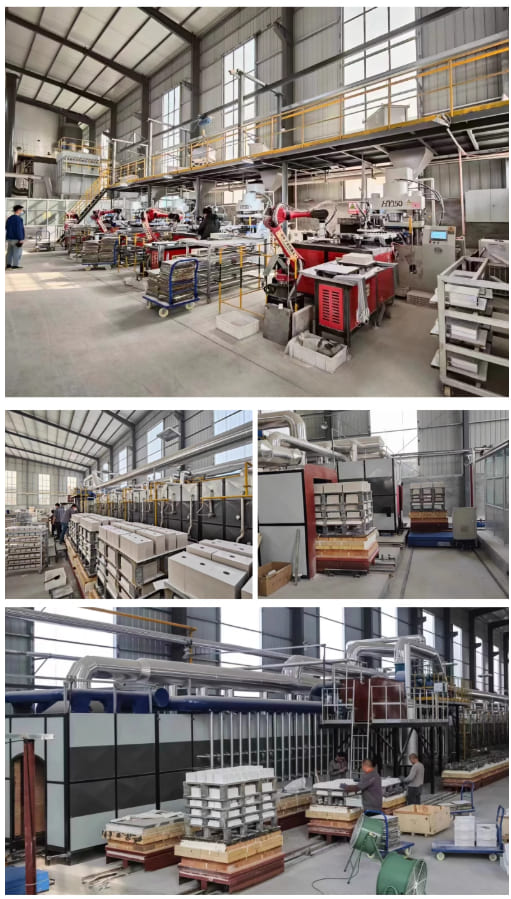
Advanced Ceramics founded on October 17, 2014, is a high-tech enterprise committed to the research and development, production, processing, sales and technical services of ceramic relative materials and products.. Since its establishment in 2014, the company has been committed to providing customers with the best products and services, and has become a leader in the industry through continuous technological innovation and strict quality management.
Our products includes but not limited to Silicon carbide ceramic products, Boron Carbide Ceramic Products, Boron Nitride Ceramic Products, Silicon Carbide Ceramic Products, Silicon Nitride Ceramic Products, Zirconium Dioxide Ceramic Products, Quartz Products, etc. Please feel free to contact us.(nanotrun@yahoo.com)
Payment Methods
T/T, Western Union, Paypal, Credit Card etc.
Shipment Methods
By air, by sea, by express, as customers request.
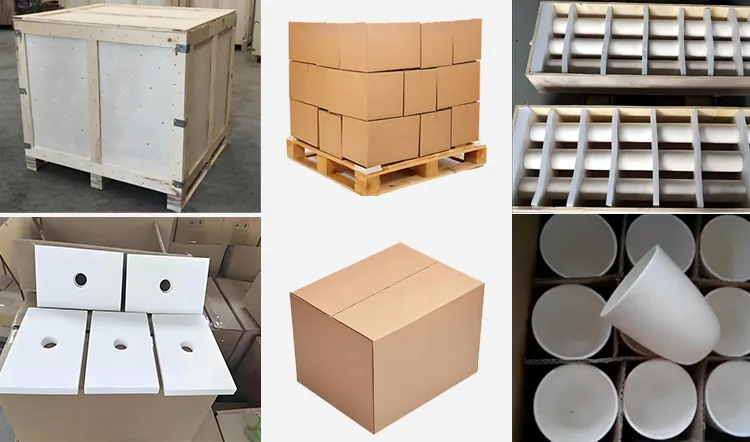
5 FAQs of High Thermal Conductivity AlN Ceramic Aluminum Nitride Crucible
What is an aluminum nitride crucible? Aluminum nitride crucibles are made from a ceramic material called aluminum nitride (AlN). This material has high thermal conductivity, meaning it transfers heat quickly. It is used in high-temperature applications like metal melting, semiconductor processing, or chemical reactions. The crucible can handle extreme heat without breaking down.
Why choose aluminum nitride over other ceramics? Aluminum nitride conducts heat better than most ceramics. This makes heating faster and more efficient. It also resists chemical corrosion better than materials like alumina or quartz. Aluminum nitride crucibles last longer in harsh environments. They are ideal for processes requiring both high heat and chemical stability.
What temperatures can aluminum nitride crucibles withstand? These crucibles work well up to 2200°C in inert atmospheres. In air, they can handle around 1400°C before oxidizing. The exact limit depends on the environment and usage time. They stay stable under repeated heating and cooling cycles. This makes them reliable for industrial or lab use.
Are there handling precautions for aluminum nitride crucibles? Avoid sudden temperature changes to prevent cracking. Let the crucible heat up or cool down slowly. Do not drop or hit it, as ceramic materials can be brittle. Clean it carefully after use to remove residues. Store it in a dry place to avoid moisture absorption.
Where are aluminum nitride crucibles commonly used? They are popular in semiconductor manufacturing for growing crystals or handling molten metals. Labs use them for high-purity chemical reactions. They also serve in aerospace and electronics for components needing heat resistance. Industries needing precise temperature control often prefer aluminum nitride crucibles.
(High Thermal Conductivity AlN Ceramic Aluminum Nitride Crucible)
REQUEST A QUOTE
RELATED PRODUCTS
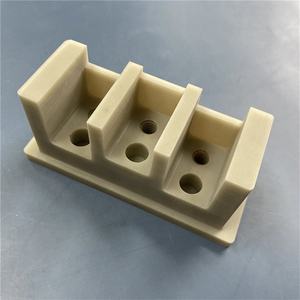
Aln Aluminum Nitride Ceramic Substrate for Power Electronic Device
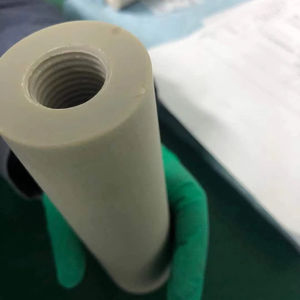
Laser Cutting Scribing Aluminum Nitride Substrate Aln Ceramic Heatsink
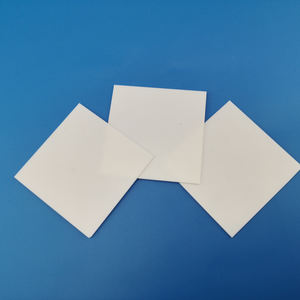
Factory Hot Aln Aluminum Nitride Powder for Electronic Industry White or Grey Color Ceramic
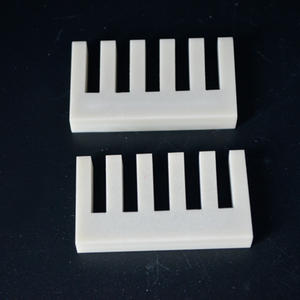
Custom Aln Ceramic Aluminum Nitride Cup Crucible
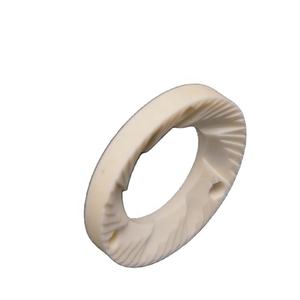
High Quality Refractory Custom AlN Tubes Aluminum Nitride Ceramic Tubes