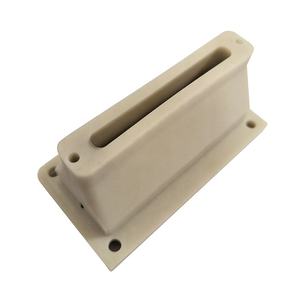
Discover Premium Ceramic Products | Durability & Elegance United | Advanced Ceramics

PRODUCT PARAMETERS
Description
Overview of Precision-Machined Aluminum Nitride Ceramic Electronic Substrates
Aluminum Nitride Ceramic is an advanced ceramic material with aluminum nitride as the main component. It has been widely used in electronics, optics, and mechanics due to its unique properties.
Features of Precision-Machined Aluminum Nitride Ceramic Electronic Substrates
High thermal conductivity: Aluminum nitride ceramics have relatively high thermal conductivity, usually between 170-260 W/m·K, which makes it an excellent heat dissipation material. It is especially suitable for electronic devices that require efficient heat dissipation, such as substrate materials for power semiconductor devices.
Good electrical insulation: Despite its high thermal conductivity, aluminum nitride ceramics are excellent insulators of electricity, which can effectively prevent current leakage and ensure the safe operation of electronic components.
Low dielectric constant and dielectric loss: These characteristics make aluminum nitride ceramics very suitable for use in high-frequency circuits because it can reduce energy loss during signal transmission.
High temperature resistance: Aluminum nitride ceramics can maintain structural stability and strength at extremely high temperatures. Its melting point is about 2800°C, so it is suitable for applications in high temperature environments.
Low thermal expansion coefficient: Compared with semiconductor materials such as silicon, aluminum nitride has a lower thermal expansion coefficient, which means it has better dimensional stability when the temperature changes, which helps improve packaging reliability.
Corrosion resistance: Aluminum nitride ceramics have good chemical stability to most molten metals and are not easily oxidized or corroded, allowing them to perform well in harsh environments.
High mechanical strength: Although not as hard as some other types of ceramic materials, aluminum nitride ceramics still provide enough mechanical strength to allow them to be used in many structural applications.
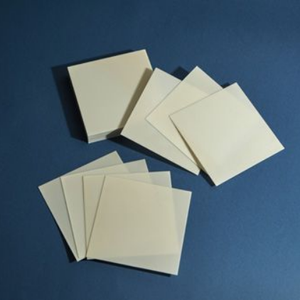
(Precision-Machined Aluminum Nitride Ceramic Electronic Substrates)
Specifications of Precision-Machined Aluminum Nitride Ceramic Electronic Substrates
Precision-machined aluminum nitride ceramic substrates are crucial parts sought after electronics. They use outstanding thermal conductivity. This implies they relocate warmth away from delicate parts really effectively. This building is crucial. It maintains high-power tools like LEDs and power components running cool. Stopping getting too hot prolongs their life and enhances reliability.
These substrates are additionally solid electric insulators. They quit unwanted current flow. This insulation protects circuits. It permits safe operation at high voltages. This is essential for power conversion systems and RF gadgets.
The surface areas are very smooth and flat. This precision machining is important. It guarantees components mount perfectly. Good thermal contact occurs. Electrical connections are trustworthy. Resistances are tight. This precision is required for intricate circuits and miniaturized styles.
Aluminum nitride is really tough. It stands up to wear well. It deals with heats easily. This material stability is excellent. Performance remains consistent in tough problems. It will not easily warp or split under thermal stress and anxiety.
Producers utilize aluminum nitride rather than alumina frequently. Light weight aluminum nitride moves heat much better. This makes it the leading selection for high-power density applications. Warm expands quickly. Locations are stayed clear of.
You obtain these substratums in precise dimensions and densities. Personalized forms are possible. Holes and dental caries can be machined exactly. The product is chemically steady. It doesn’t react with a lot of processing chemicals. This streamlines manufacturing.
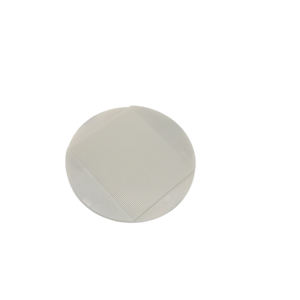
(Precision-Machined Aluminum Nitride Ceramic Electronic Substrates)
Applications of Precision-Machined Aluminum Nitride Ceramic Electronic Substrates
Precision-machined aluminum nitride ceramic digital substrates are vital for demanding electronics. They excel at moving heat away from critical parts. This prevents getting too hot and failure. It matters most in powerful cpus and high-brightness LEDs. These components produce a lot of heat. Light weight aluminum nitride maintains them cool and running reliably.
The material is also really strong and electrically protecting. It safely divides high-power circuits. This is critical for power components in electric cars and trucks and renewable energy systems. These components handle high voltage and current. Light weight aluminum nitride substratums offer a stable, non-conductive base.
Signal speed and clearness are important too. Aluminum nitride works well for high-frequency circuits. It does not absorb much signal energy. This makes it great for radio frequency (RF) and microwave gadgets. Assume radar systems and interaction gear. The signal remains clean over the substratum.
Suppliers worth aluminum nitride’s stability. It expands in a similar way to silicon when heated up. This minimizes stress on delicate semiconductor chips placed to it. Connections stay secure during temperature adjustments. This integrity is vital for automobile and aerospace electronic devices. These atmospheres see large temperature swings.
The product deals with rough conditions easily. It withstands chemical rust and high temperatures. This longevity matches industrial sensing units and power electronic devices. The substrates last a long period of time under stress and anxiety. Accuracy machining makes certain exact dimensions and smooth surfaces. This allows excellent component placement and strong bonds. Consistent top quality is important for mass production.
Company Introduction
Advanced Ceramics founded on October 17, 2014, is a high-tech enterprise committed to the research and development, production, processing, sales and technical services of ceramic relative materials and products.. Since its establishment in 2014, the company has been committed to providing customers with the best products and services, and has become a leader in the industry through continuous technological innovation and strict quality management.
Our products includes but not limited to Silicon carbide ceramic products, Boron Carbide Ceramic Products, Boron Nitride Ceramic Products, Silicon Carbide Ceramic Products, Silicon Nitride Ceramic Products, Zirconium Dioxide Ceramic Products, Quartz Products, etc. Please feel free to contact us.
Payment Methods
T/T, Western Union, Paypal, Credit Card etc.
Shipment Methods
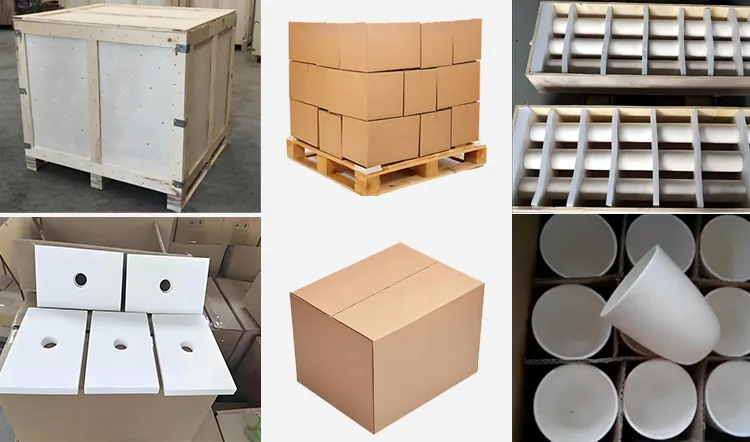
By air, by sea, by express, as customers request.
5 FAQs of Precision-Machined Aluminum Nitride Ceramic Electronic Substrates
What are precision-machined Aluminum Nitride ceramic substrates?
These are flat parts made from Aluminum Nitride ceramic. They are shaped very accurately using special machines. Electronic parts get mounted onto these substrates.
Why use Aluminum Nitride instead of other ceramics?
Aluminum Nitride moves heat away incredibly well. It’s much better than alumina ceramic. This keeps powerful electronics cooler. It also doesn’t conduct electricity. Its size stays stable when it gets hot. This is important for reliable circuits.
What precision machining is possible?
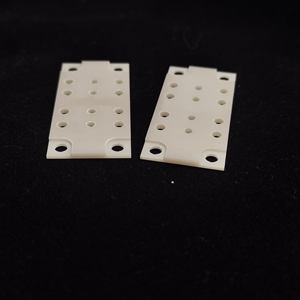
Machining creates very exact holes and slots. It shapes the edges perfectly. It makes surfaces extremely flat and smooth. We can cut the substrates into very specific sizes and complex outlines. Tight tolerances are standard.
How well do these substrates handle heat?
Aluminum Nitride moves heat extremely fast. It pulls heat directly away from hot electronic parts. This prevents overheating. It allows devices to run at higher power safely. The ceramic itself withstands very high temperatures without damage.
What surface finishes are available?
The substrates often get a metal coating. Common coatings are gold or silver. This metal layer lets you solder components directly onto the ceramic. Very smooth surfaces are also possible. This is needed for thin film circuits. We can also laser mark identification or logos onto the surface.
(Precision-Machined Aluminum Nitride Ceramic Electronic Substrates)
REQUEST A QUOTE
RELATED PRODUCTS
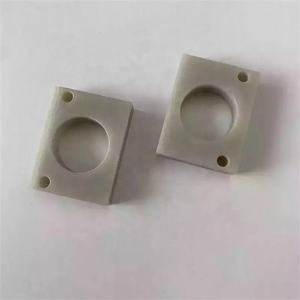
Wear Resistance Insulation ALN Aluminum Nitride Ceramic Ring/ Spacer/Insulator
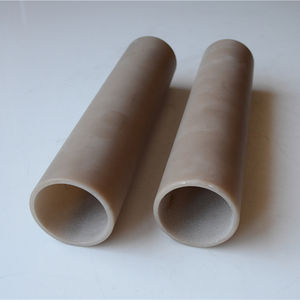
Insulator Electronic Device Aln Aluminum Nitride Ceramic Tube Pipe
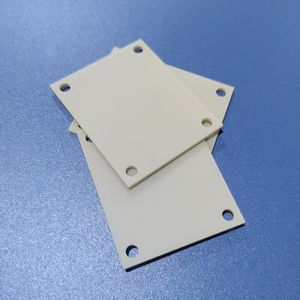
Aluminum Nitride Ceramic Plate for Thermal Management and Semiconductor Applications
Aluminum Nitride Aln Ceramic Substrate for Electrical Applications
Machinable Thermal Conduct Ceramic Aln Aluminum Nitride Structural Part