Discover Premium Ceramic Products | Durability & Elegance United | Advanced Ceramics

PRODUCT PARAMETERS
Description
Introduction to Alumina Ceramics
Alumina ceramics are known for their high hardness, wear resistance, corrosion resistance, good electrical insulation and high temperature stability. According to the different alumina content, it can be divided into different grades, such as 95 porcelain, 99 porcelain, etc., among which 99 porcelain refers to ceramic materials with an alumina content of 99%. As the alumina content increases, its mechanical strength and electrical insulation properties will also increase accordingly.
Characteristics of Alumina Ceramics
High Hardness: Alumina ceramics have extremely high hardness, which makes it very wear-resistant and suitable for manufacturing abrasive tools and parts that require wear resistance.
Wear resistance: Due to its high hardness, alumina ceramics show excellent wear resistance and are suitable for manufacturing parts for long-term use.
Corrosion resistance: Alumina ceramics have good resistance to most acids and alkalis, making them widely used in the chemical industry.
Good electrical insulation: As an excellent electrical insulating material, alumina ceramics are widely used in electronic and electrical products.
High temperature stability: Ability to withstand extremely high temperatures without significant physical or chemical changes, which makes it an ideal choice for applications in high temperature environments.
Biocompatibility: In the medical field, certain grades of alumina ceramics are used to make medical devices such as artificial joints due to their good biocompatibility.
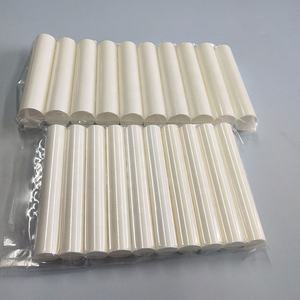
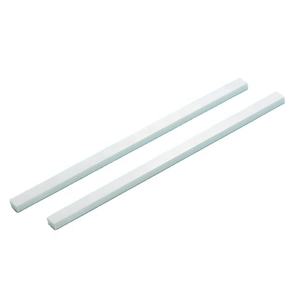
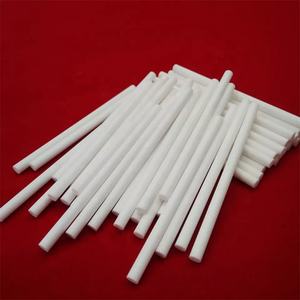
(95% 99% Aluminium Oxide Industrial Ceramic Shaft Alumina Rod)
Specifications of 95% 99% Aluminium Oxide Industrial Ceramic Shaft Alumina Rod
The 95% and 99% light weight aluminum oxide industrial ceramic shaft alumina rod is a high-performance material created for requiring commercial atmospheres. It is made from premium-grade alumina, making certain integrity in applications requiring longevity, warmth resistance, and electric insulation. The material is hard and resists wear well, making it suitable for components subjected to rubbing or mechanical stress and anxiety.
This alumina rod consists of either 95% or 99% aluminum oxide (Al2O3), with the greater purity variation offering improved efficiency in severe problems. Both qualities include a thick structure, offering solid mechanical strength and security under high tons. The density ranges between 3.6 and 3.9 g/cm ³, depending on the alumina web content. The high melting factor of over 1700 ° C enables the rod to function properly in high-temperature settings without weakening.
Thermal conductivity is low, lowering warm transfer and making the material appropriate for insulation purposes. It resists corrosion from acids, alkalis, and other severe chemicals, making certain lasting usage in harsh environments. The alumina rod additionally acts as an exceptional electric insulator, even at elevated temperature levels, preventing existing leak in electronic or high-voltage applications.
The 95% alumina rod is cost-efficient for basic industrial usage, such as in machinery parts, wear-resistant linings, or heating system components. The 99% variation is better matched for accuracy applications like semiconductor manufacturing, laser systems, or high-performance seals where exceptional purity and thermal security are vital.
Surface area coating alternatives consist of polished, ground, or as-fired appearances to meet specific operational demands. Custom-made shapes and sizes are offered, with diameters usually ranging from 1 mm to 150 mm and sizes approximately 500 mm. Limited dimensional tolerances guarantee compatibility with industrial tools and ease of integration.
This ceramic shaft material is commonly utilized in industries such as metallurgy, chemical handling, electronic devices, and aerospace. Its combination of firmness, thermal resistance, and electrical insulation makes it a functional option for rollers, bearings, insulators, and reducing devices. Appropriate handling is advised to prevent cracking or fracturing throughout setup, as the product is brittle compared to steels.
(95% 99% Aluminium Oxide Industrial Ceramic Shaft Alumina Rod)
Applications of 95% 99% Aluminium Oxide Industrial Ceramic Shaft Alumina Rod
The 95% and 99% aluminium oxide commercial ceramic shaft alumina rod is a high-performance product made use of sought after commercial settings. It combines strength, longevity, and resistance to severe problems. The high alumina web content guarantees excellent thermal security, chemical resistance, and mechanical solidity. This makes it appropriate for applications where metals or plastics fail.
These ceramic shafts deal with extreme temperatures as much as 1650 ° C. They work well in heaters, kilns, and high-heat machinery. The product does not warp or degrade under thermal anxiety. It likewise stands up to deterioration from acids, antacid, and various other severe chemicals. This is important in chemical handling or environments with hostile compounds.
The alumina pole’s hardness decreases wear in mechanical systems. It is optimal for pump seals, bearings, and cutting devices. The smooth surface minimizes rubbing, prolonging component life. In electronic devices, the ceramic’s electrical insulation residential properties stop current leak. It is made use of in protecting parts, circuit elements, and sensor housings.
The 95% alumina quality balances expense and performance for basic commercial use. The 99% grade provides greater pureness for precision applications. Both qualities preserve dimensional stability under tension. They are machined to tight resistances for customized components. This guarantees reliability in automated systems, robotics, and precision tools.
In the auto and aerospace sectors, the poles offer in sensing units and ignition systems. They hold up against resonance and high-pressure conditions. For laboratory equipment, they give non-reactive surfaces for handling delicate products. The product’s biocompatibility likewise makes it valuable in medical tools.
These alumina rods are options to steel or titanium in destructive settings. They reduce upkeep expenses and downtime. Their light-weight nature decreases energy use in moving parts. Customized shapes and sizes are offered for specialized equipment.
The item matches markets like metal processing, power generation, and semiconductor manufacturing. It meets the requirement for products that execute under warmth, wear, and chemical exposure. Customers take advantage of longer life span and regular performance.

Company Introduction
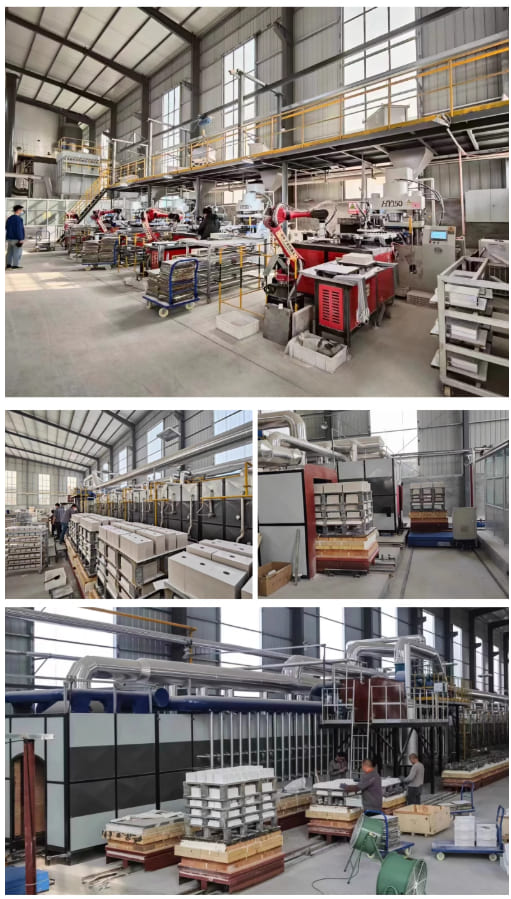
Advanced Ceramics founded on October 17, 2014, is a high-tech enterprise committed to the research and development, production, processing, sales and technical services of ceramic relative materials and products.. Since its establishment in 2014, the company has been committed to providing customers with the best products and services, and has become a leader in the industry through continuous technological innovation and strict quality management.
Our products includes but not limited to Silicon carbide ceramic products, Boron Carbide Ceramic Products, Boron Nitride Ceramic Products, Silicon Carbide Ceramic Products, Silicon Nitride Ceramic Products, Zirconium Dioxide Ceramic Products, Quartz Products, etc. Please feel free to contact us.(nanotrun@yahoo.com)
Payment Methods
T/T, Western Union, Paypal, Credit Card etc.
Shipment Methods
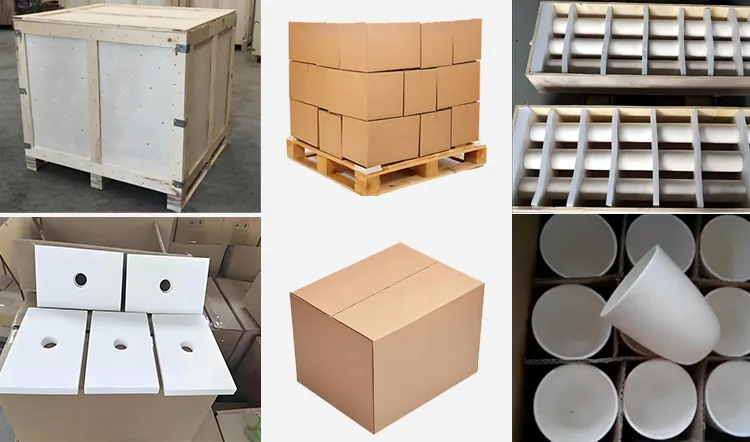
By air, by sea, by express, as customers request.
5 FAQs of 95% 99% Aluminium Oxide Industrial Ceramic Shaft Alumina Rod
What is an industrial ceramic shaft alumina rod made of? The rod is made from 95% or 99% aluminium oxide. This material is a type of advanced ceramic. It is produced by pressing and sintering high-purity alumina powder. The result is a hard, dense component. It resists wear, heat, and chemicals effectively.
What is the difference between 95% and 99% alumina rods? The main difference is purity. A 95% alumina rod contains 95% aluminium oxide. A 99% rod has 99%. Higher purity means better performance. The 99% rod is harder. It handles higher temperatures. It resists corrosion better. The 95% rod is more cost-effective. It suits less extreme conditions.
Where are these alumina rods commonly used? They are used in machinery needing wear resistance. Examples include pumps, valves, and bearings. They work in high-temperature environments like furnaces. Electronics use them as insulators. Medical equipment uses them for non-reactive parts. They fit industries like automotive, aerospace, and chemical processing.
How do I handle alumina ceramic rods safely? Avoid impacts or sudden temperature changes. The material is brittle. Dropping it may cause cracks. Use protective packaging during transport. Install it carefully. Do not overtighten fittings. Clean it with non-abrasive tools. Store it in dry conditions. Follow manufacturer guidelines for maintenance.
Can alumina rods be customized for specific needs? Yes. Manufacturers adjust sizes, shapes, and surface finishes. Holes, threads, or grooves can be added. Purity levels are chosen based on application demands. Custom dimensions require technical drawings. Lead times vary with complexity. Discuss requirements with suppliers early.
(95% 99% Aluminium Oxide Industrial Ceramic Shaft Alumina Rod)
REQUEST A QUOTE
RELATED PRODUCTS
High Precision White 95% Aluminum Oxide Al2O3 Textile Ceramic Pigtail Guide
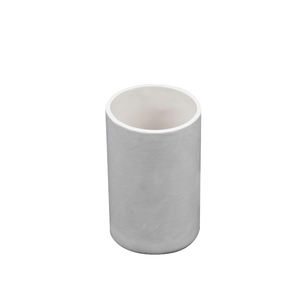
Hot ing Customized 95 99 Alumina Ceramic Insulator Hardness Auto Chemical
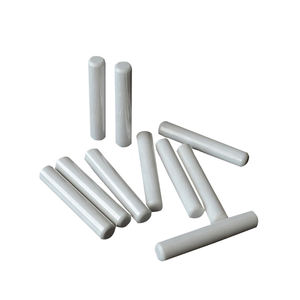
Cheaps High Quality Insulating Fire Brick Bubble Alumina /Alumina Bubble Hollow Ceramic Ball
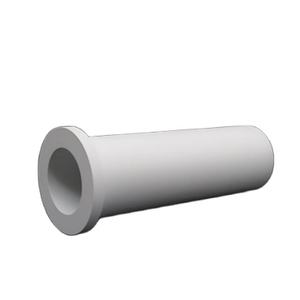
Low Thickness White Alumina High end Ceramic Substrate Carved Aluminum Oxide Ceramics
Customized High Purity 99% Al2O3 Flat Bottom Crucible Alumina Ceramic Cup for Refractory Industry