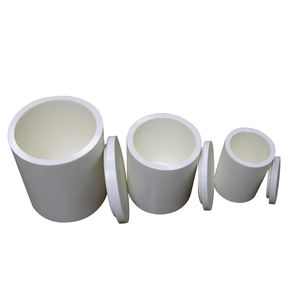
Discover Premium Ceramic Products | Durability & Elegance United | Advanced Ceramics

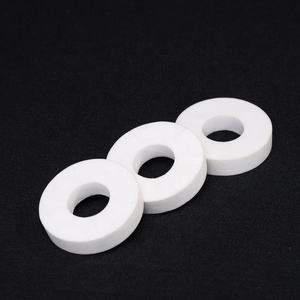
PRODUCT PARAMETERS
Description
Introduction to Aluminum Oxide in Medicine: Innovations in Biocompatible Materials and Implants
Alumina ceramics are known for their high hardness, wear resistance, corrosion resistance, good electrical insulation and high temperature stability. According to the different alumina content, it can be divided into different grades, such as 95 porcelain, 99 porcelain, etc., among which 99 porcelain refers to ceramic materials with an alumina content of 99%. As the alumina content increases, its mechanical strength and electrical insulation properties will also increase accordingly.
Characteristics of Aluminum Oxide in Medicine: Innovations in Biocompatible Materials and Implants
High Hardness: Alumina ceramics have extremely high hardness, which makes it very wear-resistant and suitable for manufacturing abrasive tools and parts that require wear resistance.
Wear resistance: Due to its high hardness, alumina ceramics show excellent wear resistance and are suitable for manufacturing parts for long-term use.
Corrosion resistance: Alumina ceramics have good resistance to most acids and alkalis, making them widely used in the chemical industry.
Good electrical insulation: As an excellent electrical insulating material, alumina ceramics are widely used in electronic and electrical products.
High temperature stability: Ability to withstand extremely high temperatures without significant physical or chemical changes, which makes it an ideal choice for applications in high temperature environments.
Biocompatibility: In the medical field, certain grades of alumina ceramics are used to make medical devices such as artificial joints due to their good biocompatibility.
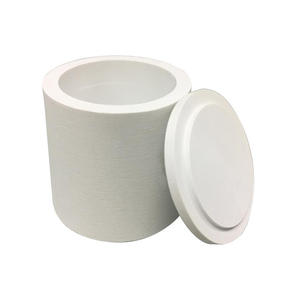
(Aluminum Oxide in Medicine: Innovations in Biocompatible Materials and Implants)
Specifications of Aluminum Oxide in Medicine: Innovations in Biocompatible Materials and Implants
Medical-grade light weight aluminum oxide offers vital advantages for modern-day healthcare. This material is biocompatible. It triggers minimal reactions in the body. This is vital for implants. Light weight aluminum oxide is also really difficult. It stands up to wear incredibly well. This firmness is crucial for joint substitutes. Hip and knee bearings made from it last longer. Individuals benefit from decreased alteration surgical treatments. Its smooth surface reduces friction as well. This shields surrounding cells.
Aluminum oxide ceramics are chemically inert. They stay stable inside the human body. They do not wear away or launch dangerous ions. This stability makes them risk-free for lasting implants. Oral implants often utilize aluminum oxide elements. Its stamina sustains teeth substitutes securely. The material is additionally used in bone screws and plates in some cases. It offers reliable architectural assistance.
Current innovations concentrate on boosting these ceramics further. Scientists make them even more fracture-resistant. This enhances implant security. New processing techniques produce finer, denser structures. This enhances stamina and smoothness. Surface area treatments are also advancing. These treatments can advertise much better bone bonding. Faster assimilation with all-natural bone is the goal. Scientists explore including small pores. These pores might encourage tissue growth.
Aluminum oxide coverings shield other dental implant metals. This avoids steel ions leaching into cells. The finishing imitates a sturdy, biocompatible guard. Its electrical insulation homes serve too. They help in certain sensor applications. The material is functional. Its dependability makes it a trusted option. Clinical device producers value its tested efficiency. New composite products combine light weight aluminum oxide with other materials. These composites aim for enhanced residential or commercial properties. They might offer higher strength or adaptability. The future entails customizing materials for details client demands. Accuracy manufacturing permits custom-made implant shapes. This enhances fit and function. Light weight aluminum oxide remains a foundation product for biocompatible options.
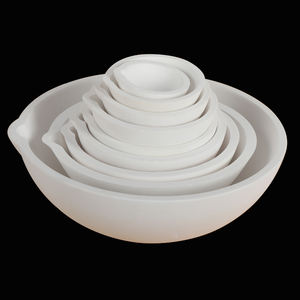
(Aluminum Oxide in Medicine: Innovations in Biocompatible Materials and Implants)
Applications of Aluminum Oxide in Medicine: Innovations in Biocompatible Materials and Implants
Light weight aluminum oxide plays an essential duty in modern medicine. Its special residential properties make it really helpful. Medical professionals count on it for several important things. It is incredibly difficult and uses down extremely gradually. This sturdiness is perfect for fabricated joints. Hip and knee substitutes often utilize aluminum oxide parts. These components last a long period of time inside the body. They move efficiently against each various other. People experience much less discomfort and relocate better.
This product is additionally biocompatible. The human body generally approves it well. It doesn’t create bad responses or swelling. This safety makes it fantastic for oral implants. Light weight aluminum oxide articles anchor man-made teeth safely in the jawbone. They offer a secure structure for several years.
Surgeons make use of light weight aluminum oxide in bone fixing as well. It functions as a scaffold for new bone growth. Tiny porous frameworks made from it aid repair damaged bone. The body’s own bone cells fill in these structures in time. This produces strong, all-natural bone once more.
Aluminum oxide discovers use in unique coverings also. It shields various other implant materials inside the body. This layer prevents corrosion and wear. It makes steel implants more secure and last longer. The product is inert. It doesn’t respond with body fluids or cells. This stability is vital for long-lasting implants.
Researchers additionally discover aluminum oxide for providing medication. Its little pores can hold medications. Then it launches them slowly right into the body. This permits regulated therapy in time. Research remains to locate much more medical uses. Its reliability and security drive continuous advancement.

Company Introduction
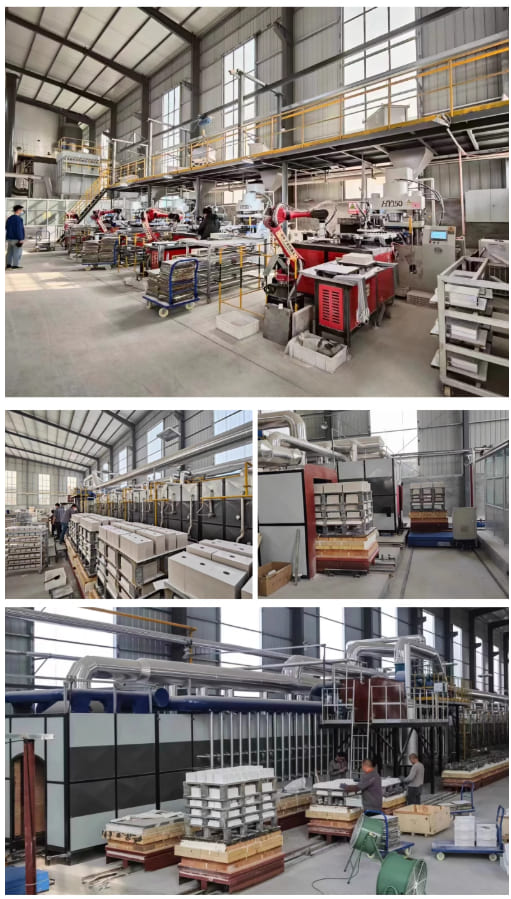
Advanced Ceramics founded on October 17, 2014, is a high-tech enterprise committed to the research and development, production, processing, sales and technical services of ceramic relative materials and products.. Since its establishment in 2014, the company has been committed to providing customers with the best products and services, and has become a leader in the industry through continuous technological innovation and strict quality management.
Our products includes but not limited to Silicon carbide ceramic products, Boron Carbide Ceramic Products, Boron Nitride Ceramic Products, Silicon Carbide Ceramic Products, Silicon Nitride Ceramic Products, Zirconium Dioxide Ceramic Products, Quartz Products, etc. Please feel free to contact us.
Payment Methods
T/T, Western Union, Paypal, Credit Card etc.
Shipment Methods
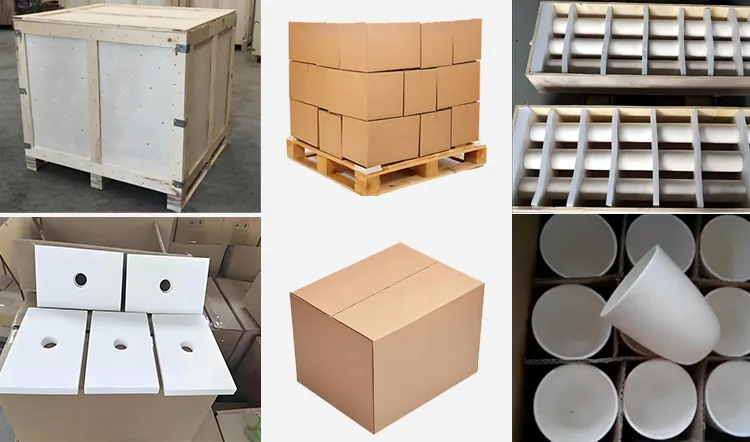
By air, by sea, by express, as customers request.
5 FAQs of Aluminum Oxide in Medicine: Innovations in Biocompatible Materials and Implants
Aluminum oxide ceramics are important in medicine. They help make better implants and medical tools. People often ask these questions about them.
Why is aluminum oxide safe inside the human body? It works well with the body. It doesn’t cause bad reactions like swelling or rejection. Body tissues accept it easily. This makes it reliable for long-term implants.
What medical devices actually use aluminum oxide? You find it in hip replacements, especially the ball part. It’s also in knee replacements and dental implants. Surgeons use it for bone screws. It’s common in joint parts that need to be very hard and smooth.
What makes aluminum oxide better than metal or plastic for implants? It’s extremely hard. This means it wears down very slowly. Metal rubbing on metal creates harmful debris. Aluminum oxide creates much less debris. It resists scratching much better than plastic. This makes joints last longer.
Are there situations where aluminum oxide isn’t the best choice? Yes. It isn’t flexible. It can break if hit hard. Doctors don’t use it for plates to fix broken bones. They prefer bendable metals there. It also isn’t ideal for very thin, complex shapes sometimes needed.
What new uses are possible for aluminum oxide in medicine? Researchers look at coatings for other implants. This could make them safer. They explore tiny structures for delivering drugs. They work on making it even stronger. They want to combine it with other materials for better performance.
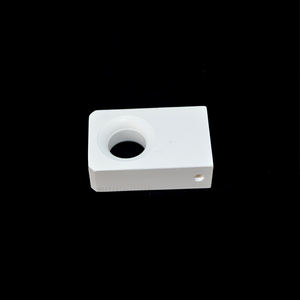
(Aluminum Oxide in Medicine: Innovations in Biocompatible Materials and Implants)
REQUEST A QUOTE
RELATED PRODUCTS
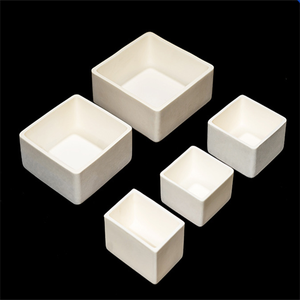
Understanding The Impact of Aluminum Oxide in Abrasive Manufacturing
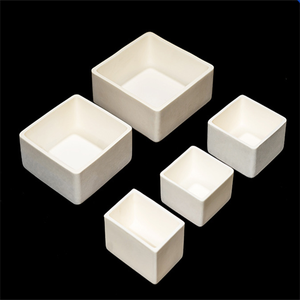
Thickness 0.635mm to 1mm 99% Al2o3 Alumina Ceramic Substrate Ceramic Plate Zirconia Plate
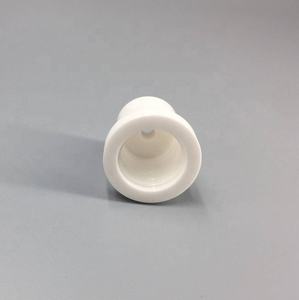
High Temperature Resistant 95% Al2O3 Aluminum Oxide Industrial Ceramic Part
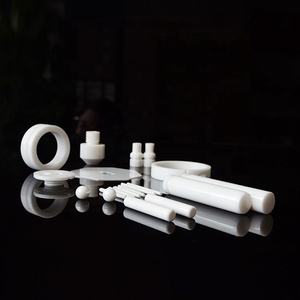
99.5 C799 Aluminum Oxide Plate Alumina Ceramic Sheet
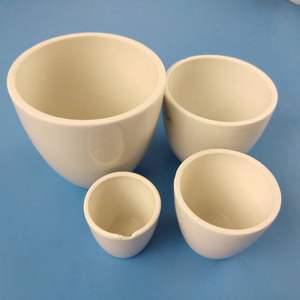
White Porcelain Insulators 95 Alumina Ceramic Tube Promotional