Discover Premium Ceramic Products | Durability & Elegance United | Advanced Ceramics

PRODUCT PARAMETERS
Description
Introduction to Choosing Catalysts: Aluminum Oxide Microspheres
Alumina ceramics are known for their high hardness, wear resistance, corrosion resistance, good electrical insulation and high temperature stability. According to the different alumina content, it can be divided into different grades, such as 95 porcelain, 99 porcelain, etc., among which 99 porcelain refers to ceramic materials with an alumina content of 99%. As the alumina content increases, its mechanical strength and electrical insulation properties will also increase accordingly.
Characteristics of Choosing Catalysts: Aluminum Oxide Microspheres
High Hardness: Alumina ceramics have extremely high hardness, which makes it very wear-resistant and suitable for manufacturing abrasive tools and parts that require wear resistance.
Wear resistance: Due to its high hardness, alumina ceramics show excellent wear resistance and are suitable for manufacturing parts for long-term use.
Corrosion resistance: Alumina ceramics have good resistance to most acids and alkalis, making them widely used in the chemical industry.
Good electrical insulation: As an excellent electrical insulating material, alumina ceramics are widely used in electronic and electrical products.
High temperature stability: Ability to withstand extremely high temperatures without significant physical or chemical changes, which makes it an ideal choice for applications in high temperature environments.
Biocompatibility: In the medical field, certain grades of alumina ceramics are used to make medical devices such as artificial joints due to their good biocompatibility.
(Choosing Catalysts: Aluminum Oxide Microspheres)
Specifications of Choosing Catalysts: Aluminum Oxide Microspheres
Aluminum oxide microspheres are important catalysts. They are also catalyst supports. Choosing the right ones matters. Several specifications are key.
Purity is critical first. High-purity alumina avoids contamination. Contaminants can ruin reactions. They might poison the catalyst. Ensure the material is pure.
Particle size distribution is vital. Consistent size helps packing. Good packing ensures even flow. Even flow improves reaction efficiency. Surface area links to size too. Smaller particles offer more surface area. More surface area means more active sites.
Porosity is another major factor. Pores provide space for reactions. They host active metal particles. Pore size affects access. Large pores allow big molecules in. Small pores offer more sites. The pore structure needs control.
Mechanical strength cannot be ignored. The spheres endure pressure. They face abrasion and stress. Weak spheres break down. Breakdown causes dust. Dust plugs systems. Strong spheres last longer.
Surface chemistry plays a role too. Surface properties affect bonding. They influence how catalysts attach. Surface treatments might be needed. These treatments enhance performance.
Thermal stability is essential. Catalysts often face high heat. Alumina must withstand this heat. It must resist sintering. Sintering reduces surface area. Good stability maintains activity.
Supplier reliability is practical. Trustworthy suppliers ensure quality. They provide consistent material. Consistency avoids process problems. Check the supplier’s reputation.
(Choosing Catalysts: Aluminum Oxide Microspheres)
Applications of Choosing Catalysts: Aluminum Oxide Microspheres
Aluminum oxide microspheres are great catalyst supports. They have a big surface area. This lets them hold a lot of active catalyst material. They are very stable too. They handle high heat and tough chemicals well. This makes them perfect for many chemical reactions.
People use them a lot in oil refining. They help turn heavy oil fractions into lighter, more valuable products. This is called hydrocracking. The microspheres give a solid base for the catalyst metals. They help the reactions happen efficiently.
They are also key in cleaning up car exhaust. Catalytic converters use them. The microspheres support precious metals like platinum or palladium. These metals break down harmful gases. They turn carbon monoxide and nitrogen oxides into safer stuff. The microspheres’ structure helps the gases flow through and react.
Chemical makers use them for making important materials. They help produce methanol or ammonia. The microspheres support the specific catalysts needed. Their strength means they last a long time in the reactor. This saves money on replacing catalysts.
Scientists like them for developing new catalysts too. Their uniform size and shape make testing easy. Researchers can coat them with different catalyst materials. They study how well these new catalysts work. The microspheres provide a reliable platform.
The porous nature of these spheres is important. It allows reactant molecules to move inside. They reach the active catalyst sites. This boosts the reaction speed. It makes the whole process more effective.
These microspheres offer advantages. They improve reaction yields. They often make catalysts last longer. They can be reused many times. This reduces waste and lowers costs. Many industries find them very useful.
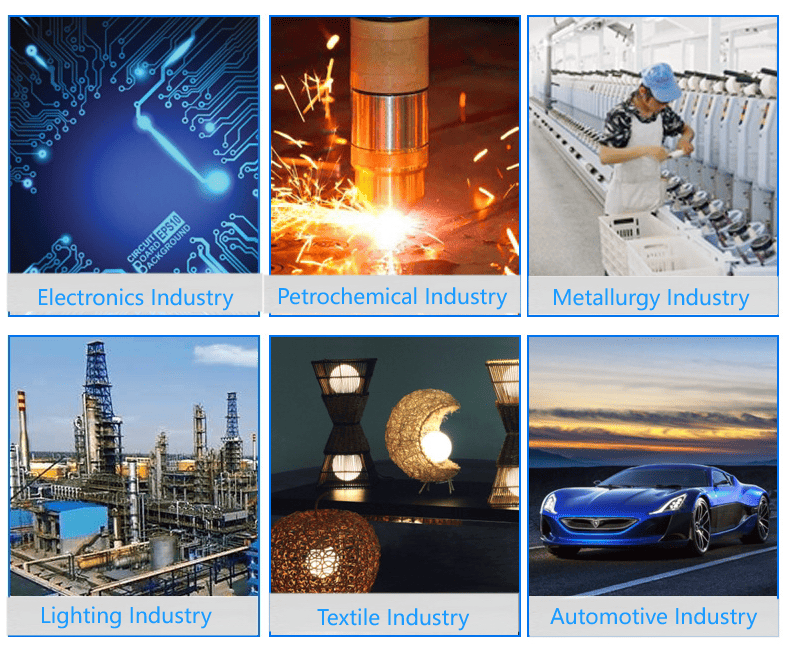
Company Introduction
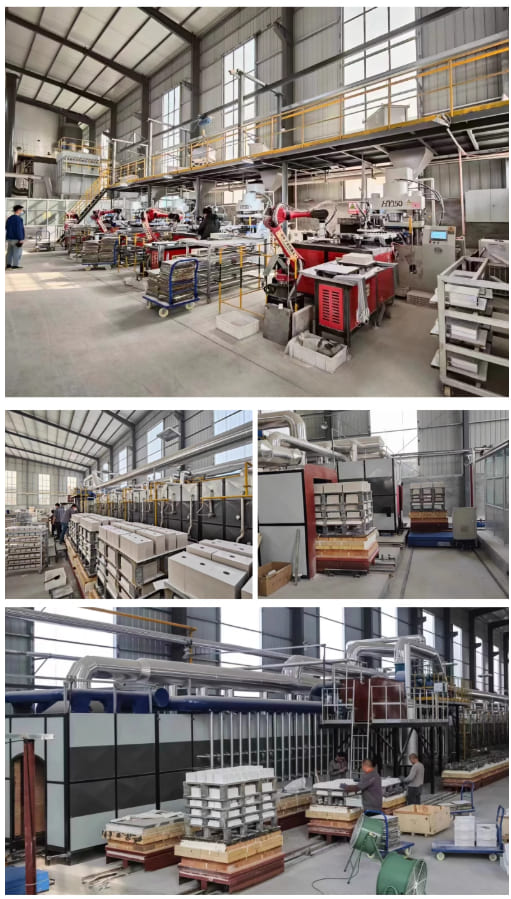
Advanced Ceramics founded on October 17, 2014, is a high-tech enterprise committed to the research and development, production, processing, sales and technical services of ceramic relative materials and products.. Since its establishment in 2014, the company has been committed to providing customers with the best products and services, and has become a leader in the industry through continuous technological innovation and strict quality management.
Our products includes but not limited to Silicon carbide ceramic products, Boron Carbide Ceramic Products, Boron Nitride Ceramic Products, Silicon Carbide Ceramic Products, Silicon Nitride Ceramic Products, Zirconium Dioxide Ceramic Products, Quartz Products, etc. Please feel free to contact us.
Payment Methods
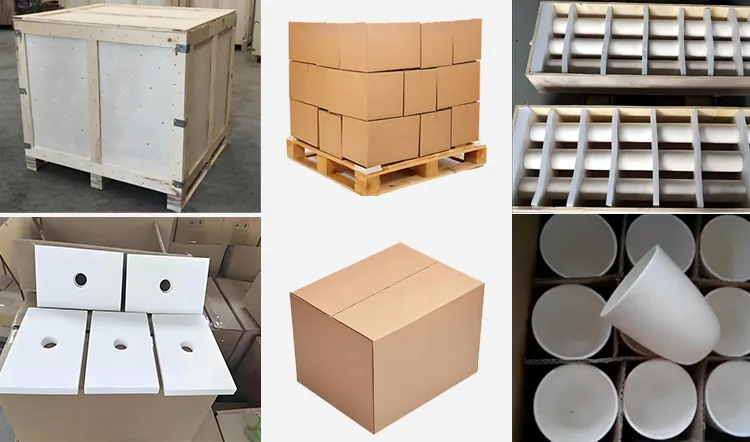
T/T, Western Union, Paypal, Credit Card etc.
Shipment Methods
By air, by sea, by express, as customers request.
5 FAQs of Choosing Catalysts: Aluminum Oxide Microspheres
What size aluminum oxide microspheres work best?
Size matters a lot. Small microspheres give more surface area. This helps reactions happen faster. Bigger microspheres are easier to handle. They cause less pressure in reactors. Pick the size based on your reaction needs. Think about your reactor type too.
Is purity important for these catalysts?
Yes, purity is very important. High-purity alumina means fewer unwanted chemicals. These impurities can mess up your reaction. They might make the catalyst less active. They could shorten its life. Always check the purity level before buying. Aim for the highest purity you can afford.
Why choose spherical shapes over other forms?
Spheres offer distinct advantages. They pack together well. This creates even flow paths for gases or liquids. Uneven shapes cause uneven flow. Spheres also resist breaking better. They handle stress more effectively. This leads to longer catalyst life. Spheres are generally the preferred shape.
How long do these catalysts typically last?
Lifespan varies. It depends on the reaction conditions. High temperatures shorten life. Harsh chemicals shorten life. Good quality microspheres last longer. Proper reactor operation helps too. Expect regular replacement. Factor catalyst cost into your overall process economics.
Are expensive catalysts always better?
Not necessarily. The best catalyst fits your specific use. A cheaper option might work fine. A very expensive one might be overkill. Balance performance needs against cost. Consider the catalyst’s lifetime cost. Sometimes a mid-range catalyst offers the best value.
(Choosing Catalysts: Aluminum Oxide Microspheres)
REQUEST A QUOTE
RELATED PRODUCTS
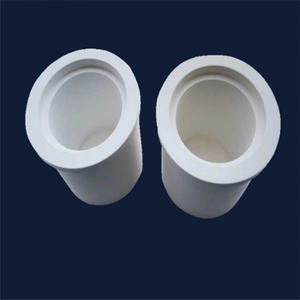
High Quality 99% Alumina Ceramic Plate Al2O3 Ceramic Sheet
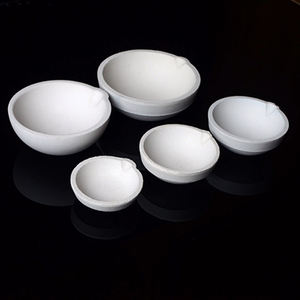
High-Purity Aluminum Oxide Ultra-Low Impurity Content The Top Choice for Medical Devices
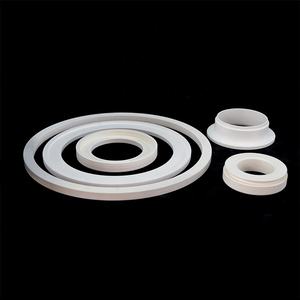
95 Alumina Ceramic Parts OEM Size and Shape Wear-resistant Mechanical Ceramic Parts
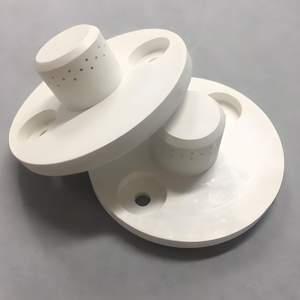
Industrial Alumina Ceramic Tube 99 Al2o3 Fireproof Alumina Tube Circle Alumina Tube
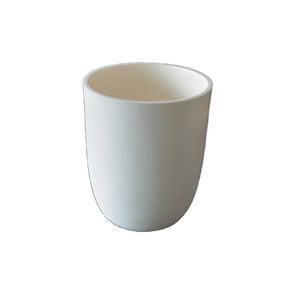
Alumina Ceramics 99 Porcelain Porous Bearing Plate High Temperature Resistant Ceramic Porous Industrial Ceramics