Discover Premium Ceramic Products | Durability & Elegance United | Advanced Ceramics

PRODUCT PARAMETERS
Description
Introduction to Alumina Ceramics
Alumina ceramics are known for their high hardness, wear resistance, corrosion resistance, good electrical insulation and high temperature stability. According to the different alumina content, it can be divided into different grades, such as 95 porcelain, 99 porcelain, etc., among which 99 porcelain refers to ceramic materials with an alumina content of 99%. As the alumina content increases, its mechanical strength and electrical insulation properties will also increase accordingly.
Characteristics of Alumina Ceramics
High Hardness: Alumina ceramics have extremely high hardness, which makes it very wear-resistant and suitable for manufacturing abrasive tools and parts that require wear resistance.
Wear resistance: Due to its high hardness, alumina ceramics show excellent wear resistance and are suitable for manufacturing parts for long-term use.
Corrosion resistance: Alumina ceramics have good resistance to most acids and alkalis, making them widely used in the chemical industry.
Good electrical insulation: As an excellent electrical insulating material, alumina ceramics are widely used in electronic and electrical products.
High temperature stability: Ability to withstand extremely high temperatures without significant physical or chemical changes, which makes it an ideal choice for applications in high temperature environments.
Biocompatibility: In the medical field, certain grades of alumina ceramics are used to make medical devices such as artificial joints due to their good biocompatibility.
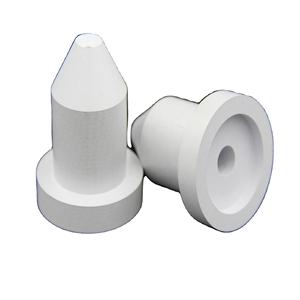
(Customized 99% 95% Alumina Textile Ceramics)
Specifications of Customized 99% 95% Alumina Textile Ceramics
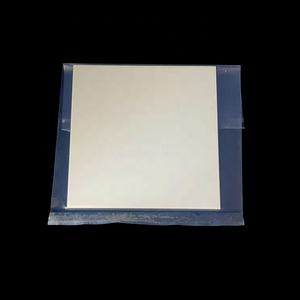
Customized 99% and 95% alumina textile ceramics are designed for high-performance use in the textile industry. These ceramics withstand extreme heat and wear. They offer strong resistance to friction and thermal stress. The materials are ideal for parts exposed to harsh operating conditions. The 99% alumina grade contains 99% aluminum oxide. It delivers higher hardness and mechanical strength. This grade handles temperatures up to 1600°C. It performs well under rapid temperature shifts. The 95% alumina grade has slightly less aluminum oxide. It maintains good performance at a lower cost. Both grades resist damage from chemicals like acids and alkalis. They remain reliable in corrosive environments. Custom sizes and shapes are available. Surface finishes can be adjusted to meet specific needs. These ceramics fit different types of machinery. They replace metal parts that wear out faster. Alumina ceramics last longer and reduce maintenance. Textile machines experience less downtime. Common applications include thread guides and rollers. These parts face constant friction during operation. Alumina ceramics minimize wear and extend component life. They also work well in spinning needles and cutting tools. These tools stay sharp under high stress. The ceramics keep their shape under heavy loads. Production lines run more smoothly with fewer interruptions. Textile manufacturers gain consistent product quality. Alumina’s non-reactive nature prevents contamination. Fabrics stay clean during processing. Custom designs solve unique production challenges. They adapt to various textile types and machine setups. These ceramics handle mechanical stress without breaking down. Their high density stops particles from entering the fabric. Alumina textile ceramics provide a dependable solution for tough industrial tasks. Their durability and flexibility make them vital in textile manufacturing.
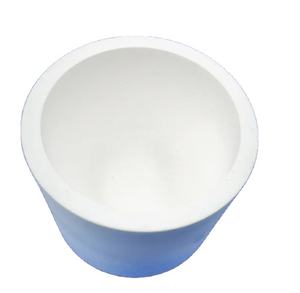
(Customized 99% 95% Alumina Textile Ceramics)
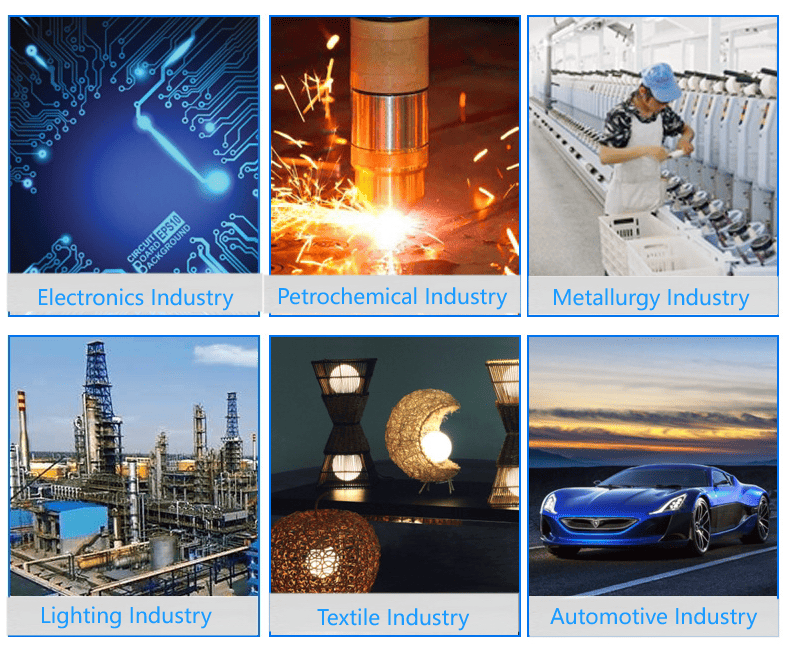
Applications of Customized 99% 95% Alumina Textile Ceramics
Customized 99% and 95% alumina textile ceramics are high-performance materials used in industries requiring extreme durability and heat resistance. These ceramics are made from alumina (aluminum oxide), a material known for its hardness, thermal stability, and resistance to wear and corrosion. Their flexibility in design allows them to be shaped into fabrics, felts, or fibers, making them suitable for specialized applications.
One key use is in high-temperature environments. Metal processing and glass manufacturing rely on these ceramics for insulation. They line furnaces, kilns, and reactors, protecting equipment from heat damage. Their low thermal conductivity helps maintain consistent temperatures, improving energy efficiency. In aerospace, alumina textiles act as thermal barriers in engine components. They shield parts from extreme heat, ensuring safe operation during flights.
The automotive sector benefits from these ceramics in exhaust systems and catalytic converters. They withstand high temperatures and corrosive gases, extending component life. Electronics manufacturers use them as insulating layers in circuit boards and sensors. Their electrical insulation properties prevent short circuits in high-voltage devices.
Chemical processing plants use alumina textiles to handle aggressive acids and alkalis. They line pipes, pumps, and reactors, reducing corrosion risks. Their non-reactive nature ensures product purity in pharmaceutical and food production. In renewable energy, these ceramics are part of solar panels and fuel cells. They improve heat management and durability in harsh outdoor conditions.
Customization is a major advantage. Manufacturers adjust the alumina content (99% or 95%) based on needs. Higher alumina levels offer better purity and heat resistance. Lower levels balance cost and flexibility. Textile forms like woven fabrics or non-woven mats are tailored for specific machinery or parts. This adaptability makes them ideal for unique industrial challenges.
Alumina textile ceramics also support safety. Fireproof clothing and industrial curtains made from these materials protect workers near high-heat zones. Their lightweight nature reduces strain compared to traditional metal shields. Ongoing research explores new uses in 3D printing and nanotechnology, expanding their role in advanced manufacturing.
Company Introduction
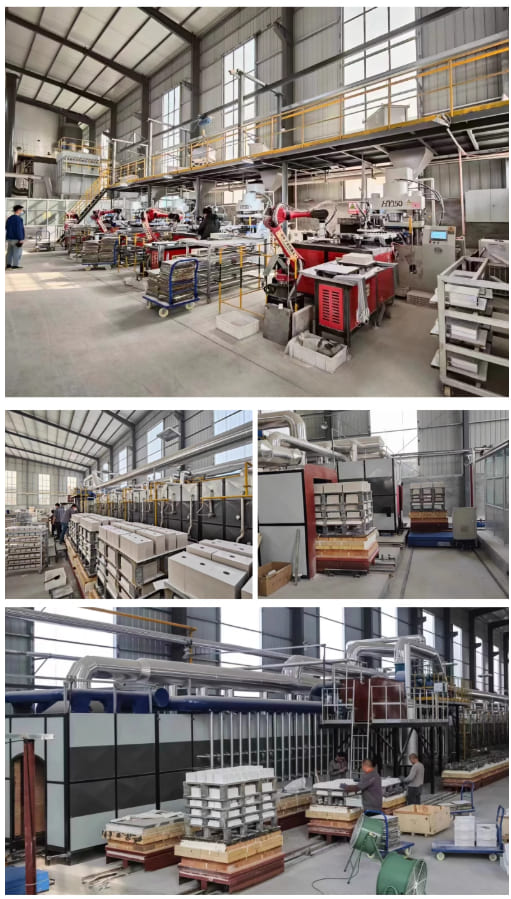
Advanced Ceramics founded on October 17, 2014, is a high-tech enterprise committed to the research and development, production, processing, sales and technical services of ceramic relative materials and products.. Since its establishment in 2014, the company has been committed to providing customers with the best products and services, and has become a leader in the industry through continuous technological innovation and strict quality management.
Our products includes but not limited to Silicon carbide ceramic products, Boron Carbide Ceramic Products, Boron Nitride Ceramic Products, Silicon Carbide Ceramic Products, Silicon Nitride Ceramic Products, Zirconium Dioxide Ceramic Products, Quartz Products, etc. Please feel free to contact us.(nanotrun@yahoo.com)
Payment Methods
T/T, Western Union, Paypal, Credit Card etc.
Shipment Methods
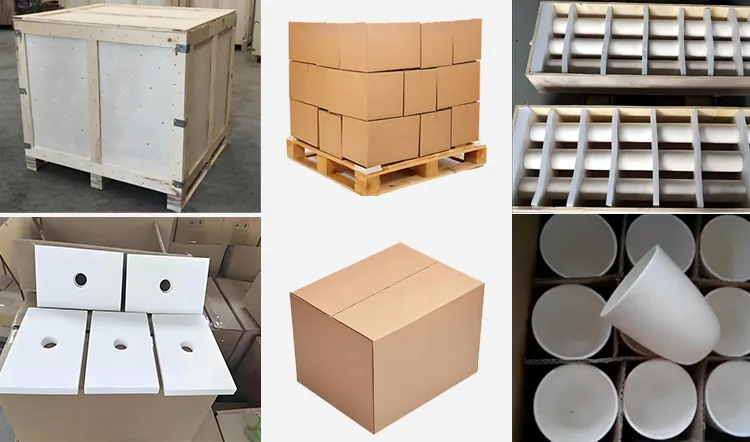
By air, by sea, by express, as customers request.
5 FAQs of Customized 99% 95% Alumina Textile Ceramics
What are customized alumina textile ceramics made of. They are made from alumina (aluminum oxide) mixed with small amounts of other materials. The alumina content is either 99% or 95%. This affects their performance. Higher purity means better resistance to heat and chemicals. Lower purity costs less but still works well for many uses.
What is the difference between 99% and 95% alumina versions. The 99% type handles higher temperatures. It stays stable up to 1700°C. The 95% type works up to 1600°C. The 99% version resists wear better. It lasts longer in harsh conditions. The 95% type is cheaper. It is good for less extreme applications.
Can these ceramics be shaped into specific designs. Yes. They are customizable. Manufacturers mold them into sheets, tubes, or complex shapes. They adjust thickness and density based on needs. Custom sizes fit industrial machinery or unique projects. Precise designs improve efficiency in high-temperature processes.
Where are alumina textile ceramics commonly used. They work in furnaces, kilns, and reactors. Industries like steel, glass, and chemicals rely on them. They insulate equipment and protect parts from heat damage. Electronics use them for thermal management. Aerospace applications need their heat resistance.
How do these ceramics compare to traditional insulation materials. They outperform materials like fiberglass or ceramic wool. Alumina textiles handle higher temperatures without breaking down. They resist chemical corrosion better. Their strength reduces wear over time. They need less frequent replacement. This cuts long-term costs.
What maintenance do alumina textile ceramics require. They need minimal upkeep. Regular inspections check for cracks or wear. Cleaning removes dust or debris. Avoid sudden temperature changes to prevent stress. Damaged sections are replaced quickly. Proper care extends their lifespan.
(Customized 99% 95% Alumina Textile Ceramics)
REQUEST A QUOTE
RELATED PRODUCTS
Industrialheat Resistant 95% 99% Alumina Ceramic Crucible Ceramic Melting Pot
High Temperature Chemical Industrial 92 95 Al2o3 High Alumina Ceramic Plate
Alumina Ceramic Nails for Furnace Insulation
China Alumina Al2O3 Aluminum Oxide Ceramic Roller Industrial Ceramic Pipe for Glass Furnace Lithium Ore Sintering Kiln Insulation Thermal
95% Alumina Ceramic Brake Pads Ceramic