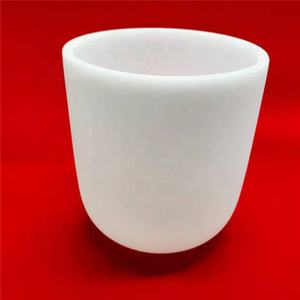
Discover Premium Ceramic Products | Durability & Elegance United | Advanced Ceramics

PRODUCT PARAMETERS
Description
Introduction to Fuel Refinement and Catalysts Aluminum Oxide Granules (D50 Particle Size ≤ 20 microns)
Alumina ceramics are known for their high hardness, wear resistance, corrosion resistance, good electrical insulation and high temperature stability. According to the different alumina content, it can be divided into different grades, such as 95 porcelain, 99 porcelain, etc., among which 99 porcelain refers to ceramic materials with an alumina content of 99%. As the alumina content increases, its mechanical strength and electrical insulation properties will also increase accordingly.
Characteristics of Fuel Refinement and Catalysts Aluminum Oxide Granules (D50 Particle Size ≤ 20 microns)
High Hardness: Alumina ceramics have extremely high hardness, which makes it very wear-resistant and suitable for manufacturing abrasive tools and parts that require wear resistance.
Wear resistance: Due to its high hardness, alumina ceramics show excellent wear resistance and are suitable for manufacturing parts for long-term use.
Corrosion resistance: Alumina ceramics have good resistance to most acids and alkalis, making them widely used in the chemical industry.
Good electrical insulation: As an excellent electrical insulating material, alumina ceramics are widely used in electronic and electrical products.
High temperature stability: Ability to withstand extremely high temperatures without significant physical or chemical changes, which makes it an ideal choice for applications in high temperature environments.
Biocompatibility: In the medical field, certain grades of alumina ceramics are used to make medical devices such as artificial joints due to their good biocompatibility.
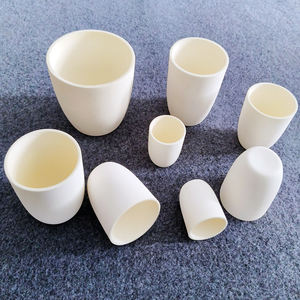
(Fuel Refinement and Catalysts Aluminum Oxide Granules (D50 Particle Size ≤ 20 microns))
Specifications of Fuel Refinement and Catalysts Aluminum Oxide Granules (D50 Particle Size ≤ 20 microns)
Our Aluminum Oxide Granules are specially made for fuel refinement catalysts. The key feature is their very small size. The D50 particle size is 20 microns or less. This means most particles are extremely fine. Small size is crucial for catalyst performance. It gives a much bigger surface area per gram. More surface area means more places for chemical reactions to happen. This boosts the catalyst’s efficiency significantly.
These granules serve as a support material. They hold the active catalytic components firmly in place. Think of them like a sturdy platform. The small particle size ensures excellent dispersion of the catalyst metals. Good dispersion means every tiny bit of catalyst works effectively. This leads to better conversion rates during fuel processing. Reactions happen faster and more completely.
Using these granules improves catalyst durability. Their strong structure prevents the catalyst from breaking down too quickly. They resist high temperatures common in refinement. They also handle harsh chemical environments well. This means the catalyst lasts longer. Plants get more use from each batch. This lowers operating costs over time.
The granules are made from high-purity alumina. Impurities are kept very low. This prevents unwanted side reactions. Consistent quality is guaranteed batch after batch. The specific surface area is very high. The pore volume is carefully controlled. This optimizes the support structure for catalyst metals. The bulk density is also specified for handling and loading.
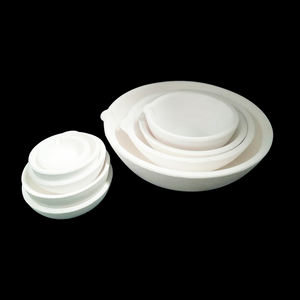
(Fuel Refinement and Catalysts Aluminum Oxide Granules (D50 Particle Size ≤ 20 microns))
Applications of Fuel Refinement and Catalysts Aluminum Oxide Granules (D50 Particle Size ≤ 20 microns)
Aluminum oxide granules are tiny particles. They have a D50 size of 20 microns or smaller. This small size makes them very useful. They are important in fuel refinement and catalyst applications. These granules act as catalysts themselves. They help chemical reactions happen faster. They also serve as carriers for other catalysts. This means they hold the active catalyst material. They provide a large surface area for reactions. This is crucial for efficiency.
In fuel refinement, these granules are vital. They are used in processes like hydrocracking. Hydrocracking breaks down heavy oil molecules. It turns them into lighter, more valuable fuels. Aluminum oxide granules support the catalysts needed here. They help remove sulfur from fuels. This improves fuel quality. It reduces harmful emissions.
These granules are also key in chemical production. They support catalysts for making important chemicals. Examples include hydrogen production and ammonia synthesis. The small particle size increases the active surface area. This boosts the catalyst’s effectiveness. It makes chemical processes more efficient. This can lower costs.
Another use is as an adsorbent. They can trap impurities from gases or liquids. This purifies process streams. It protects downstream equipment. The granules are stable at high temperatures. They resist harsh chemical conditions. This makes them durable in industrial settings. Their small size ensures good contact. It allows reactions to proceed smoothly. This leads to better yields.
Aluminum oxide granules are essential materials. They improve processes in refining and chemical manufacturing. Their controlled particle size enhances performance. It makes catalytic reactions more effective.

Company Introduction
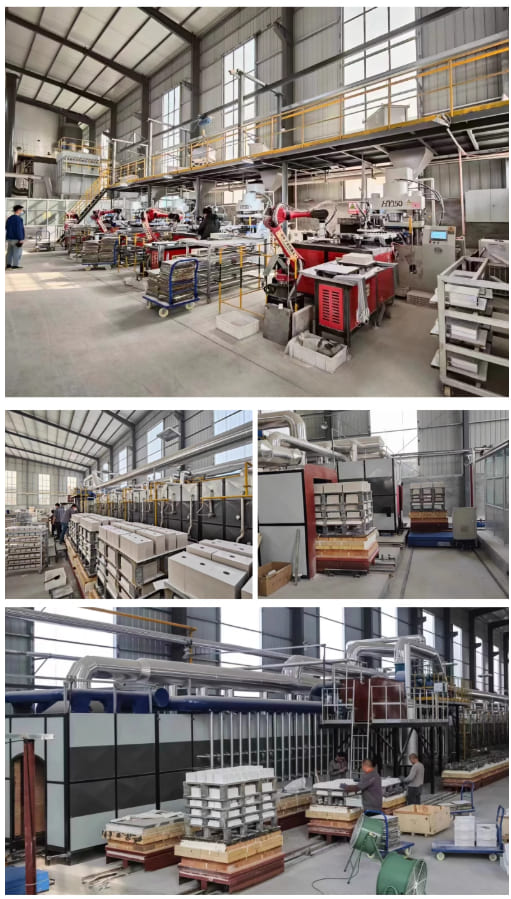
Advanced Ceramics founded on October 17, 2014, is a high-tech enterprise committed to the research and development, production, processing, sales and technical services of ceramic relative materials and products.. Since its establishment in 2014, the company has been committed to providing customers with the best products and services, and has become a leader in the industry through continuous technological innovation and strict quality management.
Our products includes but not limited to Silicon carbide ceramic products, Boron Carbide Ceramic Products, Boron Nitride Ceramic Products, Silicon Carbide Ceramic Products, Silicon Nitride Ceramic Products, Zirconium Dioxide Ceramic Products, Quartz Products, etc. Please feel free to contact us.
Payment Methods
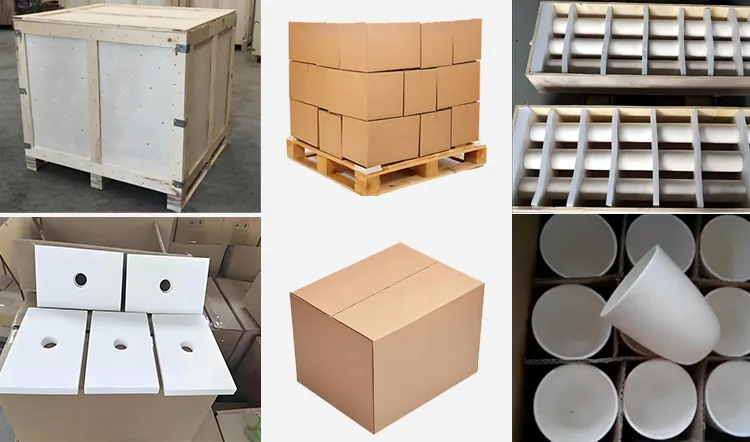
T/T, Western Union, Paypal, Credit Card etc.
Shipment Methods
By air, by sea, by express, as customers request.
5 FAQs of Fuel Refinement and Catalysts Aluminum Oxide Granules (D50 Particle Size ≤ 20 microns)
What are aluminum oxide granules used for in fuel refinement?
These granules act as catalysts. They speed up chemical reactions during fuel processing. This helps convert crude oil into cleaner, usable fuels.
Why is the particle size important?
The particle size is very small, D50 ≤20 microns. Small particles offer a huge surface area. More surface area means more places for reactions to occur. This boosts the catalyst’s effectiveness.
How do they work in the refinement process?
The granules are placed inside reactors. Oil flows over them. Chemical reactions happen on the granule surfaces. Unwanted elements break down. Desired fuel components form faster.
What advantages do aluminum oxide catalysts offer?
They are very stable under high heat. They resist wear over time. This means they last longer. Plants need fewer shutdowns for catalyst replacement. They handle tough refining conditions well.
How are these granules handled and stored?
Handle them carefully to avoid dust. Store them in cool, dry places. Keep them sealed in original containers. Moisture can damage performance. Follow safety data sheet instructions strictly.
(Fuel Refinement and Catalysts Aluminum Oxide Granules (D50 Particle Size ≤ 20 microns))
REQUEST A QUOTE
RELATED PRODUCTS
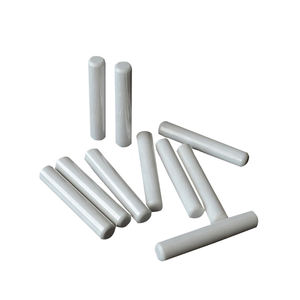
Gravel’s Zirconia Ceramic Basket Gemstone Featuring Aluminum Oxide Coating
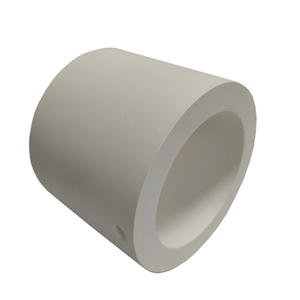
Wear Resisting Alumina Ceramic Parts Aluminum Oxide Chemical Stability Ceramic Shaft for Wall Mounted Boiler Pump
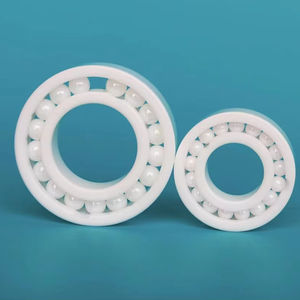
Industrial High Purity High Temperature Resistance 99% Alumina Ceramic Structural Component
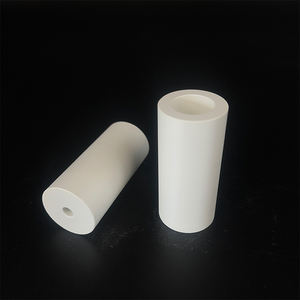
95 Polishing Al2o3 Alumina Ceramic Machined Ceramic Special Part
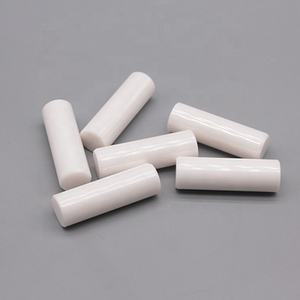
Calcined Alumina/Aluminum Oxide for Refractories/Ceramics/Polishing/Abrasive CAS 1344-28-1