Discover Premium Ceramic Products | Durability & Elegance United | Advanced Ceramics

PRODUCT PARAMETERS
Description
Introduction to Alumina Ceramics
Alumina ceramics are known for their high hardness, wear resistance, corrosion resistance, good electrical insulation and high temperature stability. According to the different alumina content, it can be divided into different grades, such as 95 porcelain, 99 porcelain, etc., among which 99 porcelain refers to ceramic materials with an alumina content of 99%. As the alumina content increases, its mechanical strength and electrical insulation properties will also increase accordingly.
Characteristics of Alumina Ceramics
High Hardness: Alumina ceramics have extremely high hardness, which makes it very wear-resistant and suitable for manufacturing abrasive tools and parts that require wear resistance.
Wear resistance: Due to its high hardness, alumina ceramics show excellent wear resistance and are suitable for manufacturing parts for long-term use.
Corrosion resistance: Alumina ceramics have good resistance to most acids and alkalis, making them widely used in the chemical industry.
Good electrical insulation: As an excellent electrical insulating material, alumina ceramics are widely used in electronic and electrical products.
High temperature stability: Ability to withstand extremely high temperatures without significant physical or chemical changes, which makes it an ideal choice for applications in high temperature environments.
Biocompatibility: In the medical field, certain grades of alumina ceramics are used to make medical devices such as artificial joints due to their good biocompatibility.
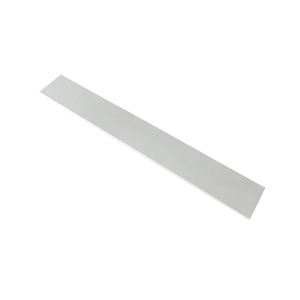
(High temperature insulation alumina ceramic tube / porous alumina ceramic tube)
Specifications of High temperature insulation alumina ceramic tube / porous alumina ceramic tube
High-temperature insulation alumina ceramic tubes and porous alumina ceramic tubes serve critical functions in industrial applications requiring warm resistance and toughness. These tubes are made from high-purity alumina (Al ₂ O SIX), normally consisting of 95% to 99% light weight aluminum oxide. This structure makes sure exceptional thermal stability. The insulation-grade tubes handle temperatures as much as 1800 ° C. They keep architectural integrity in extreme warmth. This makes them ideal for furnace linings, thermocouple protection, and kiln elements.
The permeable alumina ceramic tubes share comparable high-temperature resistance but attribute regulated porosity. Their open-cell framework enables gas or liquid purification. Porosity degrees vary from 30% to 50%. This adjusts based on application requirements. Pore dimensions vary from microns to millimeters. These tubes work well in molten steel purification, stimulant providers, and sensing unit housings.
Both tube kinds supply solid mechanical buildings. Insulation tubes have high compressive stamina. They withstand contortion under hefty lots. Permeable tubes balance stamina with leaks in the structure. They stay clear of fracturing under stress. Thermal shock resistance is an essential benefit. The materials hold up against rapid temperature level adjustments. This stops cracks during home heating or cooling down cycles.
Chemical inertness is an additional benefit. Alumina ceramics stand up to deterioration from acids, antacid, and molten steels. This suits extreme commercial settings. The insulation tubes have reduced thermal conductivity. They decrease warm loss in high-temperature systems. The permeable versions permit thermal administration while making it possible for liquid circulation.
Customization options consist of varying tube measurements, wall thickness, and end arrangements. Sizes range from millimeters to meters in size. Sizes get used to fit particular equipment. Surface area surfaces can be brightened or textured. This depends on application demands.
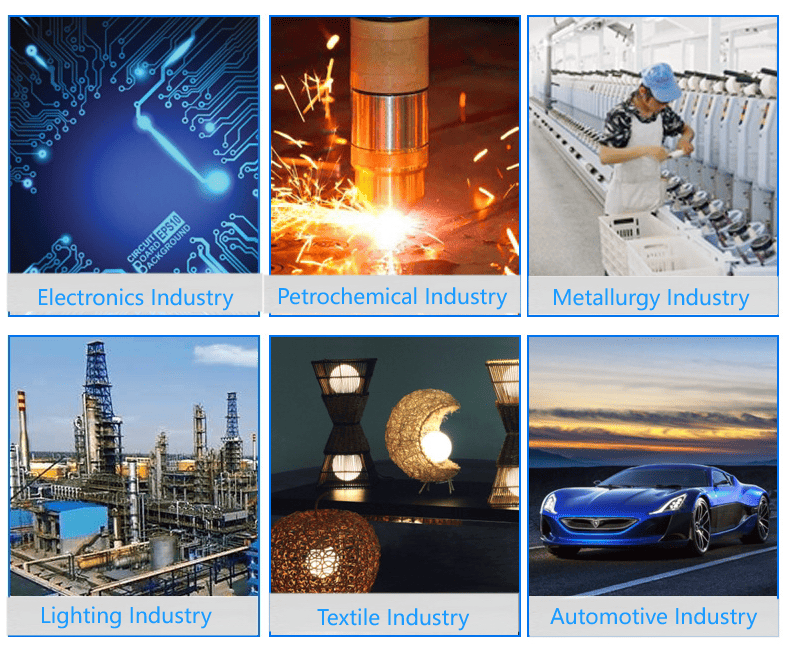
These tubes are utilized in markets like metallurgy, aerospace, energy, and chemical handling. Typical applications include burner, insulation sleeves, and gas diffusion systems. The porous kind is also made use of in environmental innovation for filtration.
Material pureness and production precision ensure constant efficiency. Advanced sintering techniques boost density and longevity. Quality control checks validate porosity, toughness, and thermal residential properties. This assures integrity in demanding settings.
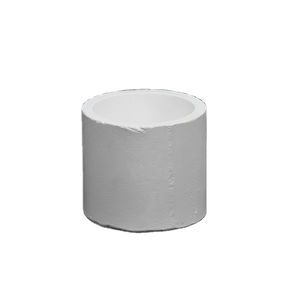
(High temperature insulation alumina ceramic tube / porous alumina ceramic tube)
Applications of High temperature insulation alumina ceramic tube / porous alumina ceramic tube
High-temperature insulation alumina ceramic tubes and porous alumina ceramic tubes serve critical roles across industries. These materials handle extreme heat, chemical exposure, mechanical stress, and specialized processes. Their unique properties make them essential for demanding applications.
High-temperature insulation alumina ceramic tubes excel in thermal management. They withstand temperatures above 1600°C. Industrial furnaces use them to protect thermocouples and sensors. Metal processing relies on them for molten metal handling. Aerospace applications include insulating engine components. Semiconductor manufacturing uses them in high-heat zones of deposition systems. Their chemical stability prevents reactions with corrosive substances. Mechanical strength ensures durability under stress.
Porous alumina ceramic tubes feature controlled porosity. This allows gas or liquid filtration. They distribute gases evenly in fuel cells or reactors. Catalytic processes use them as supports for catalysts. Thermal shock resistance lets them endure rapid temperature shifts. Laboratories apply them in high-temperature experiments. Waste treatment systems use them for filtering hot gases. Their permeability adjusts by altering pore size during production.
Both types are chosen for reliability. Insulation tubes focus on blocking heat transfer. Porous tubes prioritize controlled flow. Industries select based on specific needs. Energy sectors use insulation tubes for boiler sensors. Chemical plants apply porous tubes in reaction chambers. Electronics depend on insulation tubes for furnace components. Environmental systems integrate porous tubes for emission control.
The versatility of these ceramics drives their adoption. Engineers value their performance in harsh conditions. Customizable shapes and sizes fit varied equipment. Cost-effectiveness comes from long service life. Maintenance needs stay low due to material resilience. Ongoing research expands their potential uses.
Company Introduction
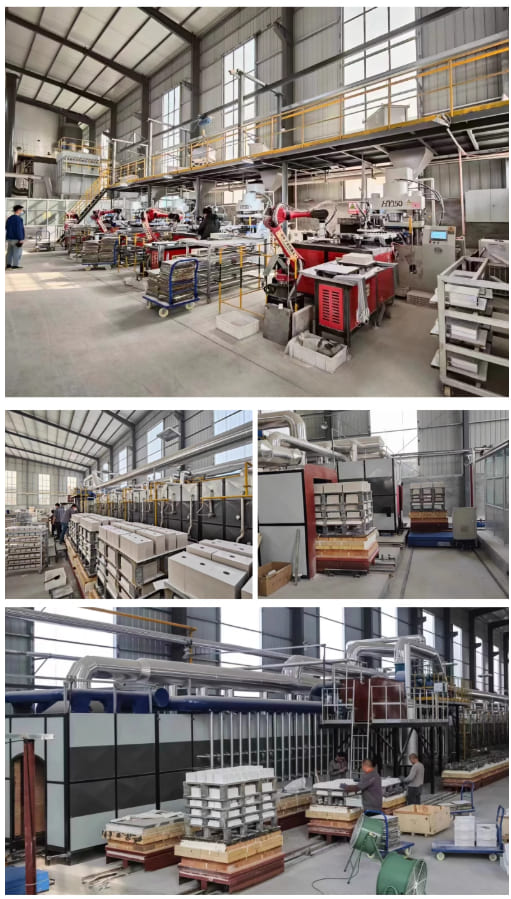
Advanced Ceramics founded on October 17, 2014, is a high-tech enterprise committed to the research and development, production, processing, sales and technical services of ceramic relative materials and products.. Since its establishment in 2014, the company has been committed to providing customers with the best products and services, and has become a leader in the industry through continuous technological innovation and strict quality management.
Our products includes but not limited to Silicon carbide ceramic products, Boron Carbide Ceramic Products, Boron Nitride Ceramic Products, Silicon Carbide Ceramic Products, Silicon Nitride Ceramic Products, Zirconium Dioxide Ceramic Products, Quartz Products, etc. Please feel free to contact us.(nanotrun@yahoo.com)
Payment Methods
T/T, Western Union, Paypal, Credit Card etc.
Shipment Methods
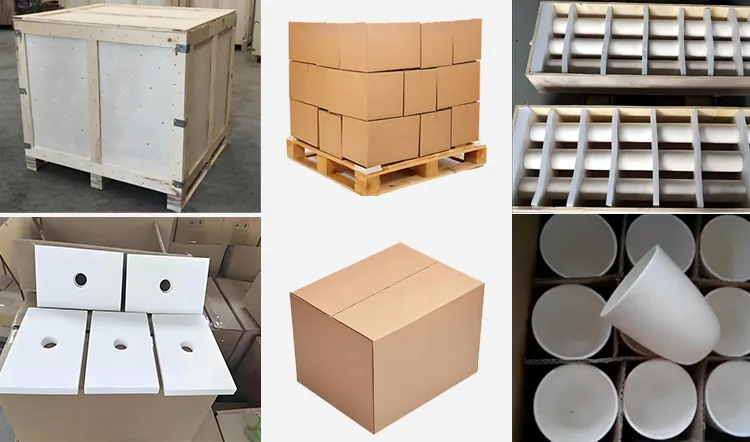
By air, by sea, by express, as customers request.
5 FAQs of High temperature insulation alumina ceramic tube / porous alumina ceramic tube
High-temperature insulation alumina ceramic tubes and porous alumina ceramic tubes serve critical roles in industrial and laboratory settings. Here are five common questions about these products.
What are high-temperature insulation alumina ceramic tubes made of? These tubes consist mainly of aluminum oxide (alumina). The material includes high-purity alumina powder shaped into tubes and fired at extreme temperatures. This process creates a dense, heat-resistant structure. Porous versions have controlled gaps in the material to allow airflow or filtration while maintaining thermal stability.
How much heat can these tubes withstand? Standard high-temperature alumina ceramic tubes handle continuous temperatures up to 1700°C. The exact limit depends on the tube’s porosity, thickness, and alumina content. Porous tubes might have slightly lower limits due to their structure. Both types retain strength and shape under repeated heating cycles without cracking.
Why choose alumina ceramic tubes over metal or plastic alternatives? Metals melt or corrode at extreme temperatures. Plastics degrade quickly. Alumina ceramics resist heat, chemical reactions, and wear better. They also insulate against energy loss, reducing operating costs. Porous tubes add airflow control, useful in combustion or filtration systems.
Where are these tubes typically used? Common applications include furnace linings, thermocouple protection sleeves, and insulating components in kilns. Porous tubes work in gas distribution systems, molten metal filtration, or catalyst supports. Industries like aerospace, metallurgy, and semiconductors rely on their reliability in harsh environments.
Do these tubes require special maintenance? They need minimal upkeep. Avoid sudden temperature changes to prevent thermal shock. Clean surfaces with non-abrasive tools to remove debris. Check for cracks or erosion regularly. Proper handling ensures long service life. Storage in dry conditions prevents moisture absorption, which could weaken the material during heating.
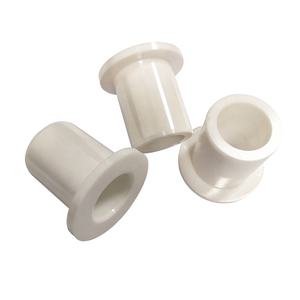
(High temperature insulation alumina ceramic tube / porous alumina ceramic tube)
REQUEST A QUOTE
RELATED PRODUCTS
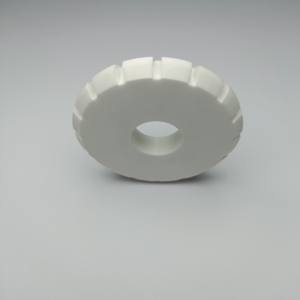
High Purity Fire-resistant Insulation Through Hole 99 Alumina Ceramic Tube
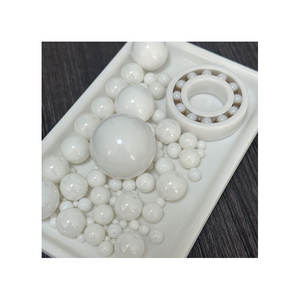
Custom Durable Aluminum Oxide Ceramic for Industrial Use
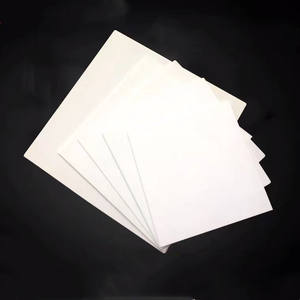
Ceramic Custom OD2mm 99% Alumina Ceramic Rod
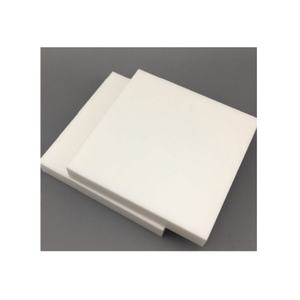
Catalyst Support Media Alumina Ceramic Packing Ball
Custom High Purity Pink Aluminum Oxide Al2O3 Substrate Alumina Ceramic Wafer