Discover Premium Ceramic Products | Durability & Elegance United | Advanced Ceramics

PRODUCT PARAMETERS
Description
Introduction to Alumina Ceramics
Alumina ceramics are known for their high hardness, wear resistance, corrosion resistance, good electrical insulation and high temperature stability. According to the different alumina content, it can be divided into different grades, such as 95 porcelain, 99 porcelain, etc., among which 99 porcelain refers to ceramic materials with an alumina content of 99%. As the alumina content increases, its mechanical strength and electrical insulation properties will also increase accordingly.
Characteristics of Alumina Ceramics
High Hardness: Alumina ceramics have extremely high hardness, which makes it very wear-resistant and suitable for manufacturing abrasive tools and parts that require wear resistance.
Wear resistance: Due to its high hardness, alumina ceramics show excellent wear resistance and are suitable for manufacturing parts for long-term use.
Corrosion resistance: Alumina ceramics have good resistance to most acids and alkalis, making them widely used in the chemical industry.
Good electrical insulation: As an excellent electrical insulating material, alumina ceramics are widely used in electronic and electrical products.
High temperature stability: Ability to withstand extremely high temperatures without significant physical or chemical changes, which makes it an ideal choice for applications in high temperature environments.
Biocompatibility: In the medical field, certain grades of alumina ceramics are used to make medical devices such as artificial joints due to their good biocompatibility.
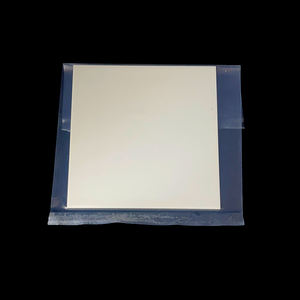
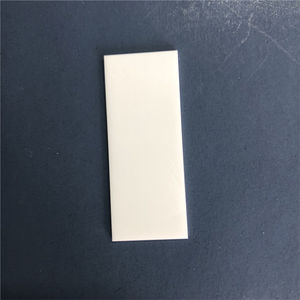
(High Voltage 95% 99% Alumina Vacuum Metallized Ceramic Tube)
Specifications of High Voltage 95% 99% Alumina Vacuum Metallized Ceramic Tube
The High Voltage 95% and 99% Alumina Vacuum Metallized Ceramic Tube is designed for demanding electrical applications. These tubes are made from high-purity alumina ceramic. They are vacuum metallized to ensure reliable performance. The 95% and 99% alumina variants cater to different voltage and insulation needs.
The material composition ensures excellent electrical insulation. The 95% alumina version offers strong dielectric properties. It works well in medium to high voltage environments. The 99% alumina version provides superior insulation. It is ideal for extreme high-voltage applications. Both types resist arcing and current leakage.
The vacuum metallization process applies a conductive layer. This layer enhances electrical connectivity. It allows efficient energy transfer. The metallized surface bonds tightly to the ceramic. This prevents peeling or flaking. The result is long-term stability under high stress.
These tubes handle temperatures up to 1500°C. They maintain structural integrity in thermal cycling. Their low thermal expansion reduces cracking risks. This makes them suitable for high-heat environments.
Mechanical strength is another key feature. The alumina ceramic resists wear and corrosion. It withstands physical impacts and chemical exposure. The tubes are rigid and dimensionally stable. They do not deform under load.
Standard outer diameters range from 5mm to 50mm. Lengths vary between 10mm and 500mm. Custom sizes are available. The metallized layer thickness is adjustable. This meets specific conductivity requirements.
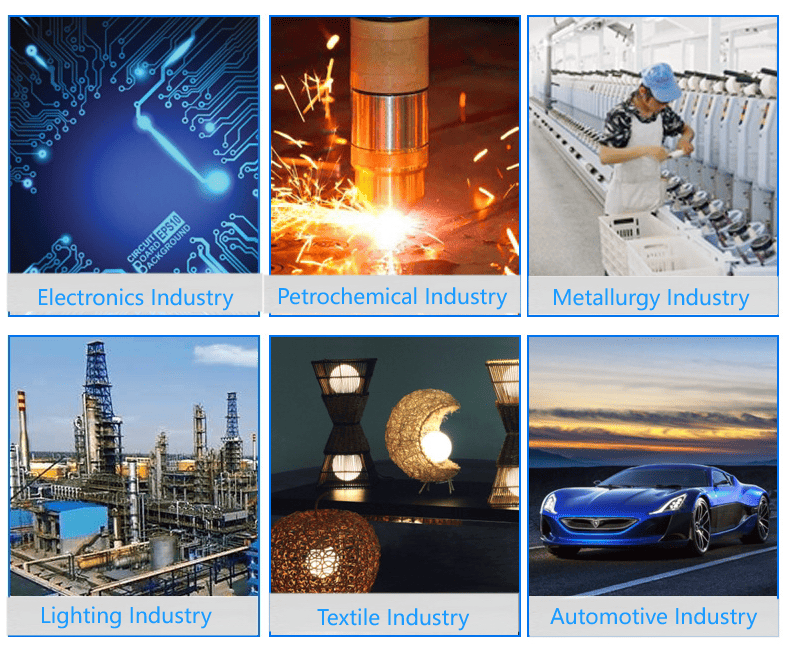
Applications include high-voltage insulators, circuit breakers, and power distribution systems. They are used in aerospace, energy, and industrial equipment. The tubes ensure safety and efficiency in electrical setups.
Benefits include minimal maintenance and long service life. The combination of alumina and metallization optimizes performance. Users get a cost-effective solution for critical systems.
The tubes comply with international electrical standards. Quality testing includes dielectric strength checks and thermal shock resistance. Each batch is verified for consistency.
(High Voltage 95% 99% Alumina Vacuum Metallized Ceramic Tube)
Applications of High Voltage 95% 99% Alumina Vacuum Metallized Ceramic Tube
High Voltage 95% and 99% Alumina Vacuum Metallized Ceramic Tubes are critical in industries requiring reliable insulation and durability under extreme conditions. These tubes are made from high-purity alumina, offering excellent electrical insulation, thermal stability, and resistance to corrosion. The vacuum metallization process adds a conductive metal layer, enhancing their performance in high-voltage environments.
These ceramic tubes are widely used in high-voltage power transmission systems. They serve as insulators in transformers, circuit breakers, and switchgear. Their ability to withstand electric arcs and prevent current leakage makes them ideal for maintaining system safety. The 99% alumina grade is preferred for ultra-high-voltage applications due to its superior density and mechanical strength.
In electronics, the tubes are essential for components like vacuum interrupters and capacitors. They provide stable insulation in compact spaces, ensuring efficient energy transfer. The metallized layer improves electrical contact, reducing energy loss. This is crucial for devices in renewable energy systems, electric vehicles, and aerospace technology.
Industrial heating systems rely on these tubes for their thermal resistance. They are used in furnace linings, thermocouple protection tubes, and semiconductor processing equipment. The 95% alumina variant balances cost and performance, suitable for applications where extreme temperatures are common but ultra-high purity is not critical.
Medical equipment manufacturers use these tubes in imaging devices and radiation therapy machines. Their non-reactive nature ensures compatibility with sterile environments. The vacuum metallized layer shields sensitive components from electromagnetic interference, improving accuracy.
The oil and gas industry benefits from their corrosion resistance. They are used in sensors and drilling equipment exposed to harsh chemicals. The ceramic structure remains stable under high pressure, preventing failures in critical operations.
These tubes also support research in high-energy physics. They are used in particle accelerators and fusion reactors, where materials must endure intense electrical and thermal stress. The 99% alumina grade is chosen for experiments requiring minimal material degradation over time.
Customizable sizes and metallization patterns allow adaptation to specific technical needs. This flexibility ensures compatibility with evolving technologies across sectors. Engineers prioritize these tubes for projects demanding long-term reliability under demanding conditions.
Company Introduction
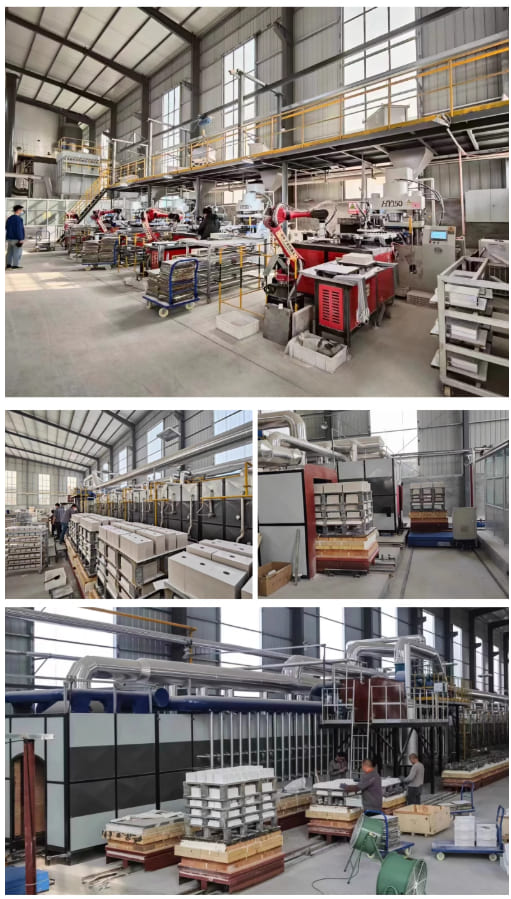
Advanced Ceramics founded on October 17, 2014, is a high-tech enterprise committed to the research and development, production, processing, sales and technical services of ceramic relative materials and products.. Since its establishment in 2014, the company has been committed to providing customers with the best products and services, and has become a leader in the industry through continuous technological innovation and strict quality management.
Our products includes but not limited to Silicon carbide ceramic products, Boron Carbide Ceramic Products, Boron Nitride Ceramic Products, Silicon Carbide Ceramic Products, Silicon Nitride Ceramic Products, Zirconium Dioxide Ceramic Products, Quartz Products, etc. Please feel free to contact us.(nanotrun@yahoo.com)
Payment Methods
T/T, Western Union, Paypal, Credit Card etc.
Shipment Methods
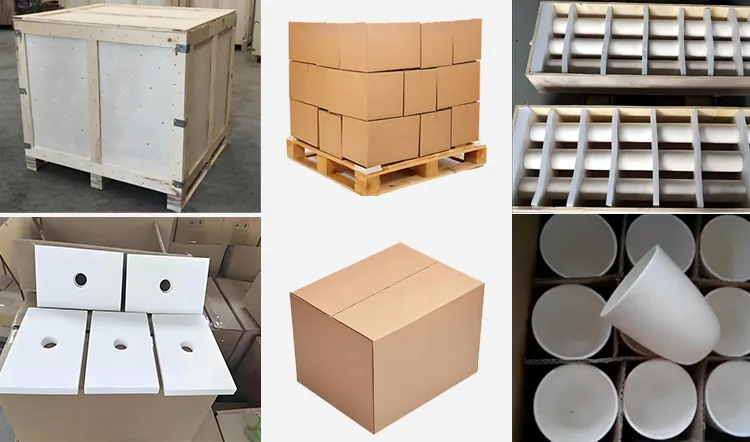
By air, by sea, by express, as customers request.
5 FAQs of High Voltage 95% 99% Alumina Vacuum Metallized Ceramic Tube
What is a High Voltage 95% 99% Alumina Vacuum Metallized Ceramic Tube?
This ceramic tube is designed for high-voltage applications. It’s made from alumina (95% or 99% purity) and processed via vacuum metallization. This method coats the surface with a metal layer. The result is a component that combines ceramic insulation with metallic conductivity in specific areas. It’s used where electrical performance and durability matter.
Why does the alumina percentage matter?
Higher alumina content (99%) improves insulation and heat resistance. It handles extreme temperatures better than 95% alumina. Lower alumina (95%) costs less but offers slightly reduced performance. The choice depends on application needs. High-purity alumina is preferred for critical high-voltage environments.
Where is this ceramic tube typically used?
It’s common in high-voltage equipment like insulators, capacitors, and circuit breakers. Industries include power transmission, aerospace, and electronics. The tube’s insulation and thermal stability make it reliable in harsh conditions. Vacuum metallization ensures precise conductivity where required.
How does it compare to other insulating materials?
Traditional plastics or metals lack the same heat resistance. Ceramic handles higher temperatures without degrading. Vacuum metallization adds controlled conductivity without sacrificing insulation. This balance is hard to achieve with other materials. Ceramic also resists corrosion better than metals.
Are there handling precautions for these tubes?
Yes. Avoid mechanical impact—ceramic is hard but brittle. Sudden temperature changes may cause cracks. Store in dry conditions to prevent moisture absorption. Use proper tools during installation to avoid surface damage. Follow manufacturer guidelines for electrical connections to maintain performance.
(High Voltage 95% 99% Alumina Vacuum Metallized Ceramic Tube)
REQUEST A QUOTE
RELATED PRODUCTS
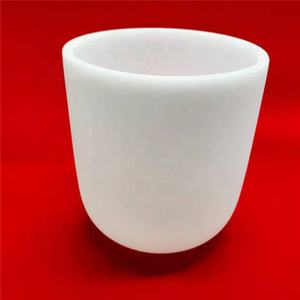
High Hardness Wear-resistant Bearing Balls Alumina Ceramic Ball for 3mm to 50mm Custom
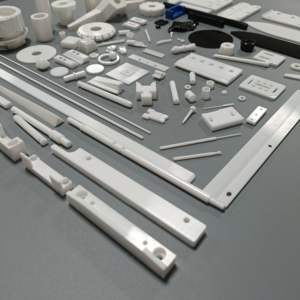
Alumina Ceramics Have Strong Chemical Stability and Resist Erosion in the Harsh Environment of Lime Kilns
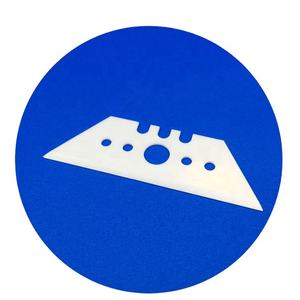
Aluminum Oxide Ceramic Structural Parts 95 99 Alumina Ceramic Substrate Board Alumina Sheet Ceramic
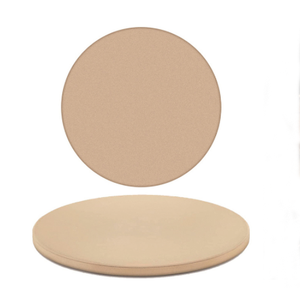
Ceramic Plate 99.8% Alumina Ceramic Piece Disc
Porous Semiconductor Ceramics/insulating Electronic Ceramics/995 Alumina Ceramics