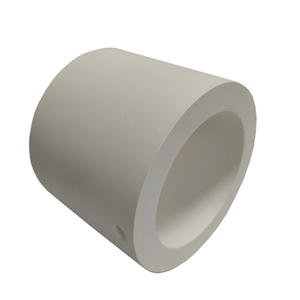
Discover Premium Ceramic Products | Durability & Elegance United | Advanced Ceramics

PRODUCT PARAMETERS
Description
Introduction to Alumina Ceramics
Alumina ceramics are known for their high hardness, wear resistance, corrosion resistance, good electrical insulation and high temperature stability. According to the different alumina content, it can be divided into different grades, such as 95 porcelain, 99 porcelain, etc., among which 99 porcelain refers to ceramic materials with an alumina content of 99%. As the alumina content increases, its mechanical strength and electrical insulation properties will also increase accordingly.
Characteristics of Alumina Ceramics
High Hardness: Alumina ceramics have extremely high hardness, which makes it very wear-resistant and suitable for manufacturing abrasive tools and parts that require wear resistance.
Wear resistance: Due to its high hardness, alumina ceramics show excellent wear resistance and are suitable for manufacturing parts for long-term use.
Corrosion resistance: Alumina ceramics have good resistance to most acids and alkalis, making them widely used in the chemical industry.
Good electrical insulation: As an excellent electrical insulating material, alumina ceramics are widely used in electronic and electrical products.
High temperature stability: Ability to withstand extremely high temperatures without significant physical or chemical changes, which makes it an ideal choice for applications in high temperature environments.
Biocompatibility: In the medical field, certain grades of alumina ceramics are used to make medical devices such as artificial joints due to their good biocompatibility.
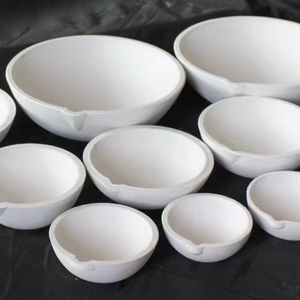
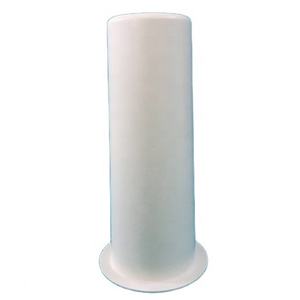
(Industrial Alumina or Zirconia High Quality Ceramic Corrugated Tube)
Specifications of Industrial Alumina or Zirconia High Quality Ceramic Corrugated Tube
Industrial Alumina and Zirconia High-Quality Porcelain Corrugated Tubes are designed for requiring commercial applications. These tubes provide phenomenal durability and performance in high-temperature, harsh, or mechanically demanding environments. The material structure makes sure reliability throughout different markets, including chemical processing, metallurgy, and power manufacturing.
Alumina ceramic tubes have over 95% light weight aluminum oxide. This ensures high thermal security, holding up against temperature levels as much as 1600 ° C. The material resists oxidation and chemical deterioration, perfect for acidic or alkaline problems. Zirconia ceramic tubes use zirconium dioxide, supplying greater fracture sturdiness. They deal with temperatures up to 2200 ° C and excel in thermal shock resistance. Zirconia’s reduced thermal conductivity minimizes heat loss in high-heat applications.
Typical tube sizes range from 100mm to 1000mm. Outer diameters vary between 10mm and 150mm. Wall densities are adjustable from 2mm to 15mm, balancing stamina and weight. Personalized sizes are available for specialized demands. The corrugated surface layout enhances structural rigidness. This protects against deformation under stress or resonance. The pattern also enhances warmth exchange effectiveness in thermal systems.
Mechanical strength is an essential feature. Alumina tubes have a flexural stamina of 300-400 MPa. Zirconia tubes reach up to 1000 MPa, ideal for heavy-load situations. Both products keep hardness degrees above 9 on the Mohs scale, standing up to abrasion and wear. Electric insulation homes make them risk-free for usage in high-voltage settings.
These tubes work with aggressive media like liquified steels, solid acids, and unpleasant slurries. They replace metal parts in heating systems, activators, and pipelines, decreasing maintenance expenses. The smooth inner surface area decreases material buildup, making sure constant flow prices.
Alumina tubes are cost-efficient for common applications. Zirconia tubes are liked where severe thermal or mechanical conditions exist. Both types are machined to accurate resistances, making sure leak-proof connections. Installation is straightforward, with compatibility for conventional flanges and installations.
Industries rely on these ceramic tubes for long-term functional security. They minimize downtime and enhance safety in crucial procedures.
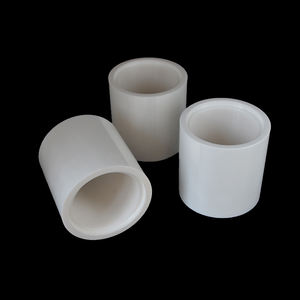
(Industrial Alumina or Zirconia High Quality Ceramic Corrugated Tube)
Applications of Industrial Alumina or Zirconia High Quality Ceramic Corrugated Tube
Industrial alumina and zirconia premium ceramic corrugated tubes are sophisticated products utilized sought after commercial setups. These tubes are made from alumina or zirconia ceramics. These materials are understood for high heat resistance, solid chemical stability, and outstanding mechanical durability. The corrugated layout boosts versatility and raises surface. This makes them suitable for applications needing effective warmth transfer or structural adaptability.
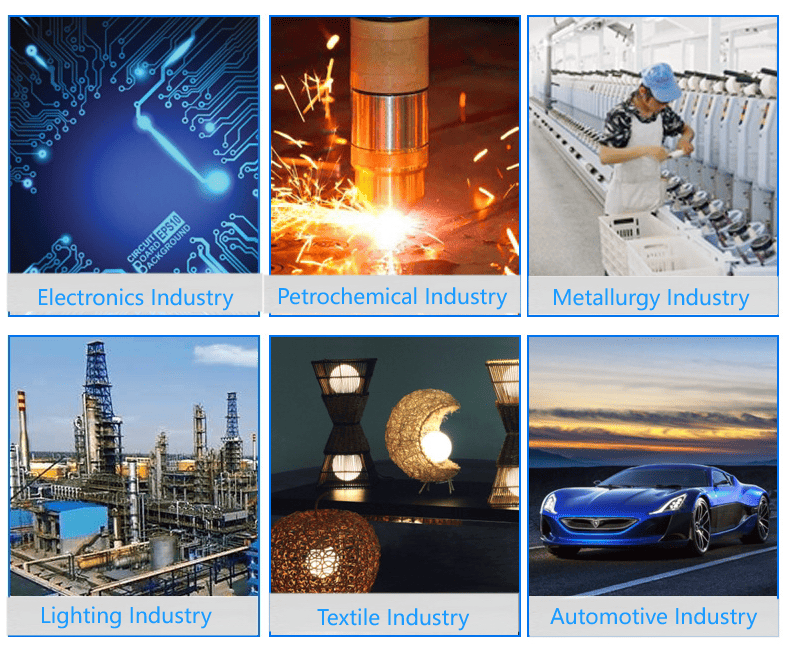
These ceramic tubes are commonly made use of in high-temperature atmospheres. In metallurgy, they deal with liquified steels or work as safety sheaths for thermocouples. Their resistance to thermal shock avoids cracking under fast temperature adjustments. In chemical handling plants, they deliver corrosive fluids or gases. Alumina and zirconia do not respond with many acids, antacid, or solvents. This makes sure long-lasting dependability in hostile problems.
The power generation market counts on these tubes for insulation and exhaust systems. They endure extreme heat in gas turbines or central heating boilers. Their low thermal conductivity aids preserve energy efficiency. In semiconductor production, alumina tubes are used in wafer-processing tools. Their high pureness stops contamination during production. Zirconia tubes are common in oxygen sensing units for vehicle engines. They operate reliably in high-heat exhaust settings.
Medical devices manufacturers use zirconia corrugated tubes for their biocompatibility. They work as elements in surgical tools or imaging devices. Their smooth surface resists microbial growth. Aerospace applications include gas shot systems or thermal obstacles. The lightweight nature of these porcelains reduces overall component weight.
Industrial heater utilize these tubes as radiant heaters or heat exchangers. The corrugated framework improves warm circulation. Alumina tubes are liked in electrical insulation as a result of their non-conductive properties. Zirconia’s toughness makes it perfect for grinding or cutting tools. Both materials are chosen for their capacity to execute under anxiety without deteriorating. Their versatility throughout sectors highlights their significance in modern-day production and technology.
Company Introduction
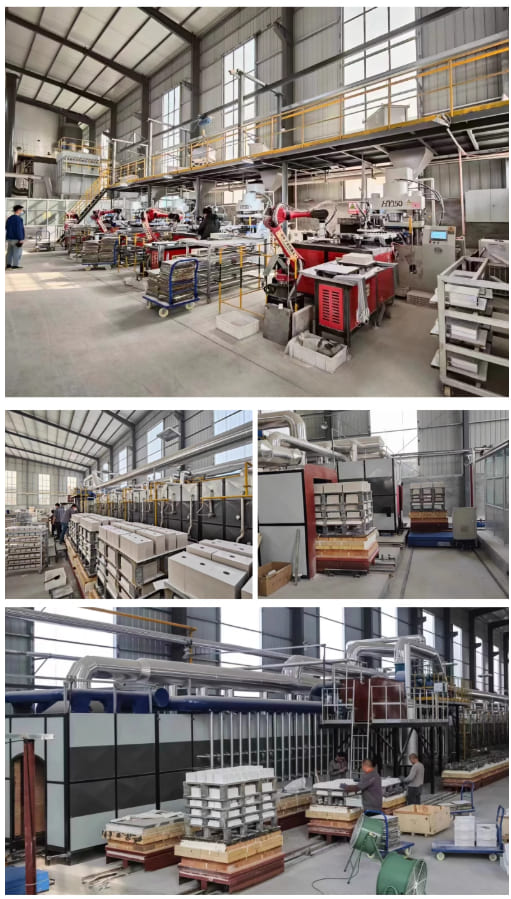
Advanced Ceramics founded on October 17, 2014, is a high-tech enterprise committed to the research and development, production, processing, sales and technical services of ceramic relative materials and products.. Since its establishment in 2014, the company has been committed to providing customers with the best products and services, and has become a leader in the industry through continuous technological innovation and strict quality management.
Our products includes but not limited to Silicon carbide ceramic products, Boron Carbide Ceramic Products, Boron Nitride Ceramic Products, Silicon Carbide Ceramic Products, Silicon Nitride Ceramic Products, Zirconium Dioxide Ceramic Products, Quartz Products, etc. Please feel free to contact us.(nanotrun@yahoo.com)
Payment Methods
T/T, Western Union, Paypal, Credit Card etc.
Shipment Methods
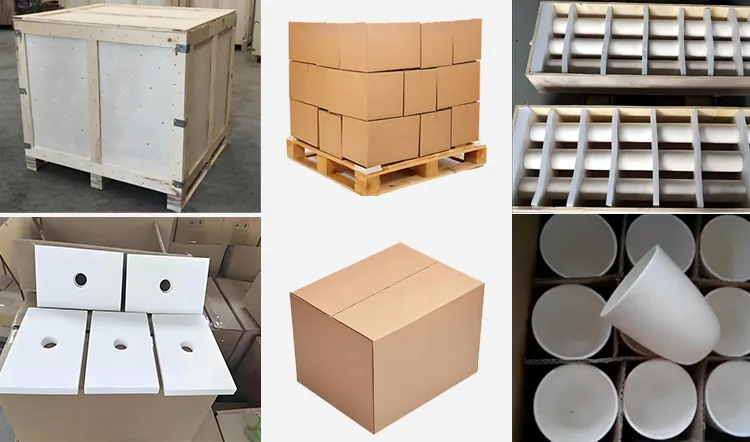
By air, by sea, by express, as customers request.
5 FAQs of Industrial Alumina or Zirconia High Quality Ceramic Corrugated Tube
Industrial Alumina or Zirconia High Quality Ceramic Corrugated Tubes are used in harsh environments like high-temperature systems or corrosive settings. Below are common questions about these products.
What are Industrial Alumina and Zirconia Ceramic Corrugated Tubes?
These tubes are made from advanced ceramics. Alumina offers high hardness and heat resistance. Zirconia provides better toughness and thermal insulation. The corrugated design improves flexibility and surface area. They are used in industries needing reliable performance under extreme conditions.
How do these tubes handle high temperatures?
Alumina tubes work up to 1700°C. Zirconia tubes handle up to 2400°C. Both resist thermal shock, meaning they won’t crack under rapid temperature changes. This makes them suitable for furnaces, kilns, or reactors.
Are these tubes resistant to chemicals and wear?
Yes. Alumina and zirconia ceramics are inert. They don’t react with acids, alkalis, or solvents. The material’s hardness also prevents abrasion damage. Compared to metal or plastic tubes, they last longer in corrosive or high-wear applications. Maintenance needs are low.
Where are these ceramic tubes typically used?
Common applications include aerospace, chemical processing, metallurgy, and electronics. They transport molten metals, hot gases, or aggressive chemicals. The corrugated shape helps in heat exchangers or fluid transfer systems. They also protect sensors or instruments in harsh setups.
Can the tubes be customized for specific needs?
Yes. Manufacturers adjust sizes, lengths, wall thickness, or corrugation patterns. Customization ensures compatibility with equipment or operational demands. Zirconia tubes are often chosen for higher stress or thermal requirements. Alumina is picked for cost-effective hardness. Contact suppliers to discuss technical details.
(Industrial Alumina or Zirconia High Quality Ceramic Corrugated Tube)
REQUEST A QUOTE
RELATED PRODUCTS
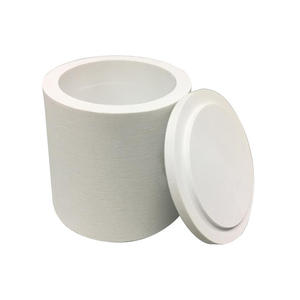
95%alumina 99%alumina Wear resistant ceramic lining pipe
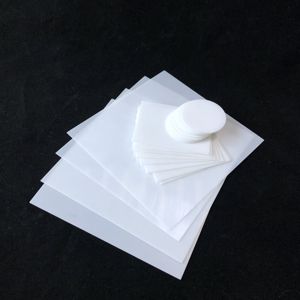
Processing Custom Textile Ceramic Fitting Al2O3 High Precision Insulating Alumina Ceramic Parts
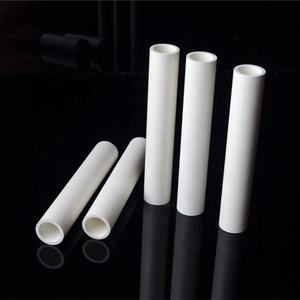
Premium Custom Zirconium and Aluminum Oxide Ceramic Solutions

Corrosion-resistant Porous Alumina Ceramic Substrate Insulation Thermal Conductive Silicone Pads
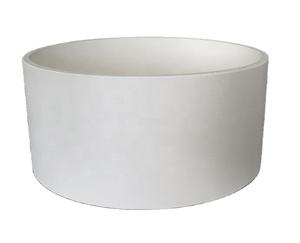
Al2O3 99% alumina ceramic plate disc