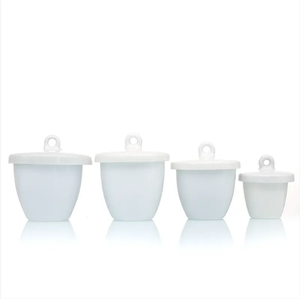
Discover Premium Ceramic Products | Durability & Elegance United | Advanced Ceramics

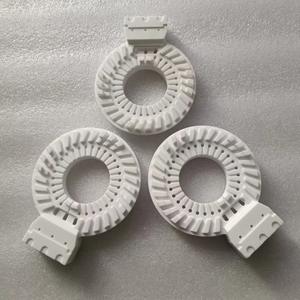
PRODUCT PARAMETERS
Description
Introduction to Alumina Ceramics
Alumina ceramics are known for their high hardness, wear resistance, corrosion resistance, good electrical insulation and high temperature stability. According to the different alumina content, it can be divided into different grades, such as 95 porcelain, 99 porcelain, etc., among which 99 porcelain refers to ceramic materials with an alumina content of 99%. As the alumina content increases, its mechanical strength and electrical insulation properties will also increase accordingly.
Characteristics of Alumina Ceramics
High Hardness: Alumina ceramics have extremely high hardness, which makes it very wear-resistant and suitable for manufacturing abrasive tools and parts that require wear resistance.
Wear resistance: Due to its high hardness, alumina ceramics show excellent wear resistance and are suitable for manufacturing parts for long-term use.
Corrosion resistance: Alumina ceramics have good resistance to most acids and alkalis, making them widely used in the chemical industry.
Good electrical insulation: As an excellent electrical insulating material, alumina ceramics are widely used in electronic and electrical products.
High temperature stability: Ability to withstand extremely high temperatures without significant physical or chemical changes, which makes it an ideal choice for applications in high temperature environments.
Biocompatibility: In the medical field, certain grades of alumina ceramics are used to make medical devices such as artificial joints due to their good biocompatibility.
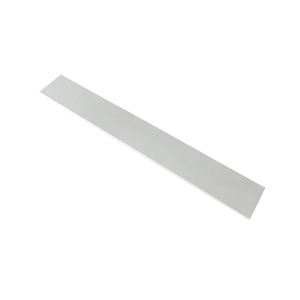
(Industrial Ceramic Molding Alumina Ceramic Parts)
Specifications of Industrial Ceramic Molding Alumina Ceramic Parts
Industrial ceramic molding alumina ceramic parts are designed for high-performance applications in demanding environments. These components are made from high-purity aluminum oxide (Al₂O₃), ensuring excellent mechanical strength and resistance to wear, heat, and corrosion. The typical alumina content ranges from 92% to 99.9%, with higher purity grades offering better performance in extreme conditions.
These parts feature a hardness level of 8-9 on the Mohs scale, making them suitable for abrasive environments. They handle temperatures up to 1700°C without losing structural integrity, ideal for furnace components, kiln furniture, or thermal processing equipment. Their low thermal expansion coefficient minimizes deformation under rapid temperature changes.
Electrical insulation properties make alumina ceramics a reliable choice for electronic substrates, insulators, or spark plug components. They resist chemical attack from acids, alkalis, and molten metals, ensuring long-term durability in harsh industrial settings. The material’s low density reduces component weight compared to metal alternatives while maintaining high strength.
Dimensional accuracy is critical. Advanced molding techniques like dry pressing, injection molding, or isostatic pressing ensure precise tolerances (±0.5% or better). Custom shapes and sizes are achievable, catering to specific machinery or tooling requirements. Surface finishes can be adjusted from as-fired to polished or machined, depending on application needs.
Industrial alumina ceramic parts comply with international standards like ISO 9001 and ASTM. They undergo rigorous quality checks for porosity, density, and microstructure consistency. Typical densities range from 3.6 to 3.9 g/cm³, with low porosity (≤0.5%) enhancing wear resistance.
Applications span metallurgy, chemical processing, electronics, and aerospace. Common products include wear-resistant liners, cutting tools, sensor housings, and sealing components. Customized solutions are available for unique operational challenges. Manufacturers provide technical support for material selection, design optimization, and post-processing to meet exact specifications.
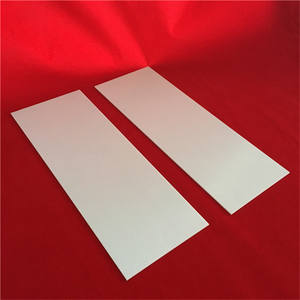
(Industrial Ceramic Molding Alumina Ceramic Parts)
Applications of Industrial Ceramic Molding Alumina Ceramic Parts
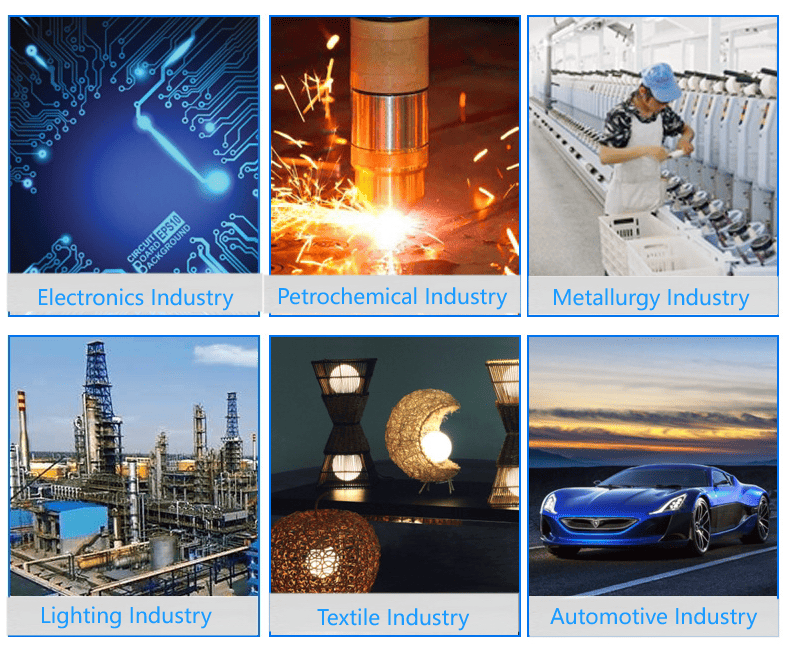
Industrial ceramic molding produces alumina ceramic parts widely used across industries. These parts handle extreme conditions due to their high hardness, heat resistance, and chemical stability. Alumina ceramics work well in machinery requiring durability. Components like seals, bearings, and cutting tools made from alumina last longer under heavy wear. Their ability to resist corrosion makes them ideal for harsh environments.
The electronics industry relies on alumina parts for insulation. Circuit boards, sensors, and insulating substrates benefit from their electrical resistance. Alumina ceramics maintain performance at high temperatures. This prevents overheating in devices like power semiconductors. Their smooth surface finish also supports precise electronic connections.
Alumina ceramics are common in automotive systems. Engine components like spark plugs and sensors use them for thermal management. They reduce wear in high-friction areas. Exhaust systems and brake components handle heat better with alumina parts. This improves vehicle safety and efficiency.
Medical equipment uses alumina ceramics for biocompatibility. Surgical tools, implants, and dental prosthetics stay sterile and non-reactive. Their strength allows thin, precise designs without breaking. This is critical for devices like joint replacements.
Energy sectors apply alumina ceramics in turbines and solar panels. They withstand extreme heat in power generation systems. Solar cell processing equipment uses alumina for corrosion resistance. This extends service life in demanding setups.
Chemical plants use alumina parts for pumps, valves, and reactors. They resist acids and alkalis better than metals. This reduces downtime from corrosion damage. Alumina linings protect mixing tanks and pipelines.
Custom shapes are possible through industrial ceramic molding. Manufacturers adjust formulas to meet specific needs. This flexibility supports innovation in aerospace, defense, and robotics. Alumina ceramics adapt to new technologies requiring reliable performance.
Their cost-effectiveness comes from low maintenance and long service life. Industries save on replacements and downtime. Alumina ceramic parts remain a practical choice for high-stress applications.
Company Introduction
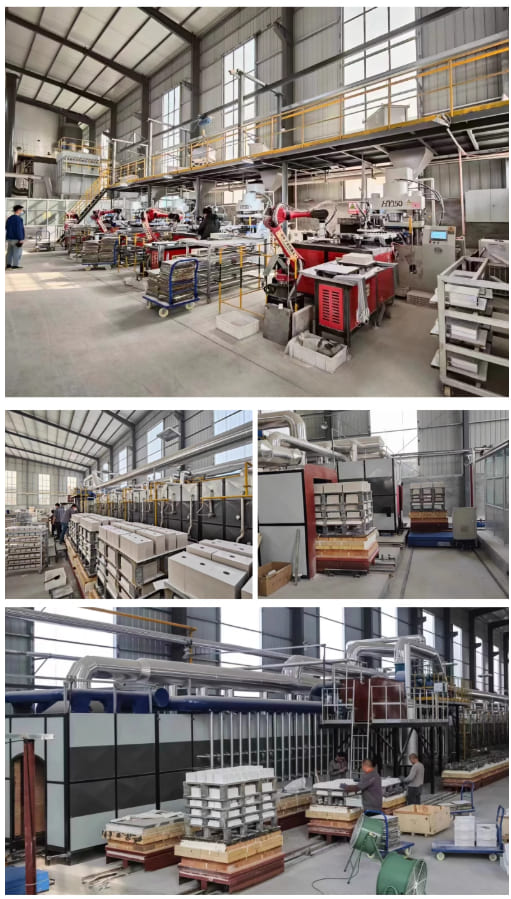
Advanced Ceramics founded on October 17, 2014, is a high-tech enterprise committed to the research and development, production, processing, sales and technical services of ceramic relative materials and products.. Since its establishment in 2014, the company has been committed to providing customers with the best products and services, and has become a leader in the industry through continuous technological innovation and strict quality management.
Our products includes but not limited to Silicon carbide ceramic products, Boron Carbide Ceramic Products, Boron Nitride Ceramic Products, Silicon Carbide Ceramic Products, Silicon Nitride Ceramic Products, Zirconium Dioxide Ceramic Products, Quartz Products, etc. Please feel free to contact us.(nanotrun@yahoo.com)
Payment Methods
T/T, Western Union, Paypal, Credit Card etc.
Shipment Methods
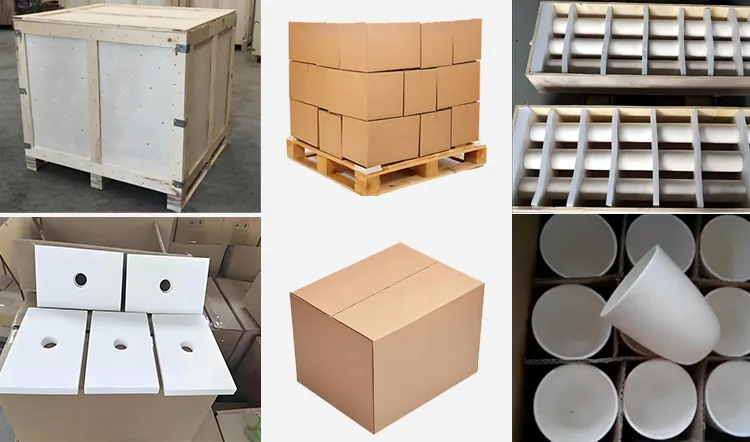
By air, by sea, by express, as customers request.
5 FAQs of Industrial Ceramic Molding Alumina Ceramic Parts
Industrial ceramic molding alumina ceramic parts are widely used in high-performance applications. Here are five common questions about them. Alumina ceramic parts are made from aluminum oxide. This material is chosen because it handles high temperatures well. It resists wear and corrosion effectively. These properties make it suitable for harsh environments.
How is alumina ceramic shaped into parts? The process typically involves molding techniques like slip casting or injection molding. Raw alumina powder is mixed with binders to form a slurry. The slurry is poured into molds and dried. After drying, the parts are fired at high temperatures to achieve hardness and density. This creates strong, precise components.
What makes alumina ceramic better than metal in some cases? Alumina ceramic does not corrode like metals. It withstands extreme heat without losing shape. It is electrically insulating, unlike conductive metals. These traits are critical in electronics or high-temperature machinery. Alumina is lighter than many metals, reducing component weight.
Can alumina ceramic parts handle heavy mechanical stress? Yes. Alumina has high compressive strength, making it ideal for load-bearing applications. It resists abrasion better than most materials. Brittle fracture is a concern under impact, though. Designers avoid this by optimizing shapes and avoiding sharp edges.
Are these parts customizable? Yes. Manufacturers adjust alumina composition to tweak properties like hardness or thermal conductivity. Complex shapes are achievable through advanced molding methods. Tolerances can be tightly controlled for precision applications. Custom sizes and surface finishes are also possible.
What industries use alumina ceramic parts? Electronics rely on them for insulating components. Automotive and aerospace applications use them in sensors and heat shields. Industrial machinery employs alumina parts for wear-resistant surfaces. Medical devices benefit from their biocompatibility and chemical stability.
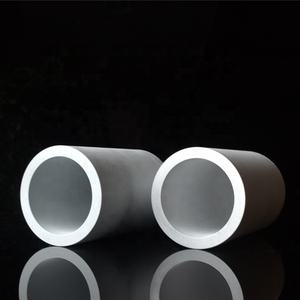
(Industrial Ceramic Molding Alumina Ceramic Parts)
REQUEST A QUOTE
RELATED PRODUCTS
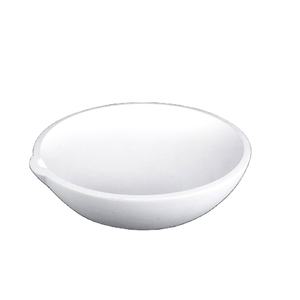
Wear-Resistant Industrial Aluminum Oxide Parts Al2O3 Ceramic Material 99% Alumina Ceramic
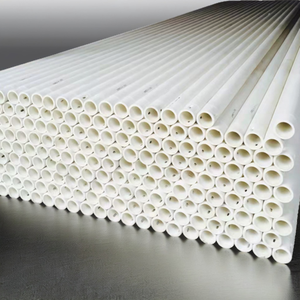
High Mechanical Strength 99% Alumina Aluminum Oxide Al2O3 Ceramic Sleeve with Threads
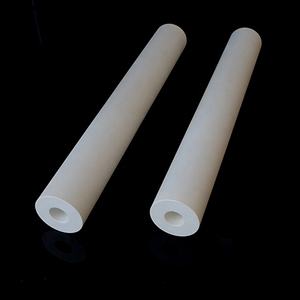
Ceramic Insulation 99% Alumina Ceramic Insulator Tube Both Ends Open
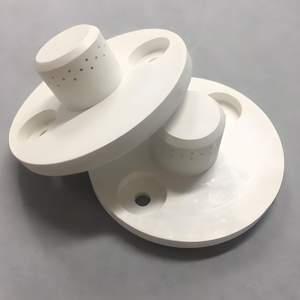
88% Alumina Aluminium Oxide Ceramic Filler Ball Catalyst Support 15mm 25mm 60mm 80mm Inert Alumina Ceramic Balls
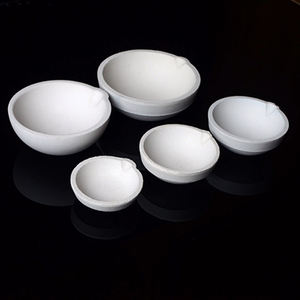
Support Custom Size Alumina Ceramic Parts Aluminum Oxide Ceramic Shaft for Various Kinds of Pumps