Discover Premium Ceramic Products | Durability & Elegance United | Advanced Ceramics

PRODUCT PARAMETERS
Description
Introduction to Laser Processing Aluminum Oxide Plate 96% Al2O3 Alumina Ceramic Substrate
Alumina ceramics are known for their high hardness, wear resistance, corrosion resistance, good electrical insulation and high temperature stability. According to the different alumina content, it can be divided into different grades, such as 95 porcelain, 99 porcelain, etc., among which 99 porcelain refers to ceramic materials with an alumina content of 99%. As the alumina content increases, its mechanical strength and electrical insulation properties will also increase accordingly.
Characteristics of Laser Processing Aluminum Oxide Plate 96% Al2O3 Alumina Ceramic Substrate
High Hardness: Alumina ceramics have extremely high hardness, which makes it very wear-resistant and suitable for manufacturing abrasive tools and parts that require wear resistance.
Wear resistance: Due to its high hardness, alumina ceramics show excellent wear resistance and are suitable for manufacturing parts for long-term use.
Corrosion resistance: Alumina ceramics have good resistance to most acids and alkalis, making them widely used in the chemical industry.
Good electrical insulation: As an excellent electrical insulating material, alumina ceramics are widely used in electronic and electrical products.
High temperature stability: Ability to withstand extremely high temperatures without significant physical or chemical changes, which makes it an ideal choice for applications in high temperature environments.
Biocompatibility: In the medical field, certain grades of alumina ceramics are used to make medical devices such as artificial joints due to their good biocompatibility.
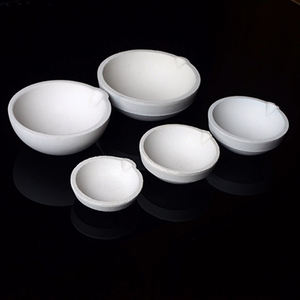
(Laser Processing Aluminum Oxide Plate 96% Al2O3 Alumina Ceramic Substrate)
Specifications of Laser Processing Aluminum Oxide Plate 96% Al2O3 Alumina Ceramic Substrate
This laser-ready 96% Al2O3 alumina ceramic plate provides reputable efficiency for demanding applications. Its high pureness implies regular material properties. This plate deals with intense heat well. Its thermal conductivity moves warm effectively far from sensitive areas. The material likewise withstands electricity highly. This electric insulation safeguards circuits. You obtain superb dielectric toughness.
Home plate is really tough. It ratings high on the Mohs scale. This hardness makes it immune to scrapes and wear. It lasts longer under hard conditions. Its surface stays smooth after laser handling. This level of smoothness is critical for accuracy job. You require tidy edges and fine details. This plate supplies that.
It preserves its form under heats. Its dimensional stability is essential. Components will not warp or misshape conveniently throughout processing. The material stands up to chemical attack. Numerous acids and antacid will not harm it. This chemical inertness is vital for severe atmospheres. It functions accurately in labs or commercial settings.
You can use this alumina plate for several things. It’s excellent for thin movie circuits. Sensor substratums benefit from its stability. Shielding spacers utilize its electrical buildings. Laser straight structuring (LDS) works well on it. It produces precise antenna patterns. The plate stands up to the laser power. It creates solid metallization bonds. This makes durable electronic elements. Its mechanical toughness supports delicate settings up. It gives a stable base.
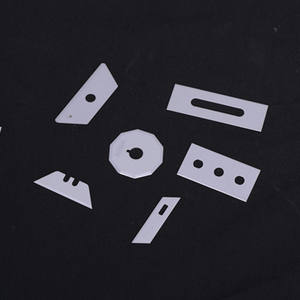
(Laser Processing Aluminum Oxide Plate 96% Al2O3 Alumina Ceramic Substrate)
Applications of Laser Processing Aluminum Oxide Plate 96% Al2O3 Alumina Ceramic Substrate
Laser processing works well for light weight aluminum oxide plate. This material is 96% Al2O3 alumina ceramic. It is very tough. It resists warmth. It is electrically shielding. These homes make it valuable for demanding jobs. Conventional machining techniques frequently have problem with it. Cutting tools break fast. They can crack the ceramic. Laser handling stays clear of these problems. The laser beam of light does not physically touch the material. This suggests no mechanical tension. It also means no device wear.
Lasers use high precision. They can make very fine cuts. They can create little, precise holes. They can scribe slim lines. This precision is crucial for electronic devices. The alumina plate is an usual substrate. It holds electronic circuits. Lasers cut these substratums to precise shapes. Lasers drill little holes for elements. Lasers scribe lines for separating circuits. Precision is crucial right here.
Laser noting is another vital application. Lasers can engrave irreversible marks onto the surface. These marks stand up to heats. They withstand chemicals. They resist scratches. This is important for tracking components. It is essential for branding. Medical devices make use of significant alumina components. Industrial tools require long lasting identification. Lasers supply clear, enduring marks.
The regulated warm from lasers is essential. Way too much heat harms the ceramic. Modern lasers manage this heat well. They minimize cracking near the cut edges. They reduce thermal stress. This causes cleaner sides. It produces more powerful components. It conserves time on completing job. Laser processing is quick. It is reputable. It deals with complex forms easily. This speed benefits high-volume manufacturing. It decreases costs. The non-contact nature keeps the product stable. Fixturing is less complex. Configuration times are shorter. This material offers electronics, clinical tools, sensors, and commercial devices. Laser handling opens its complete potential. It makes accurate, reliable parts efficiently.
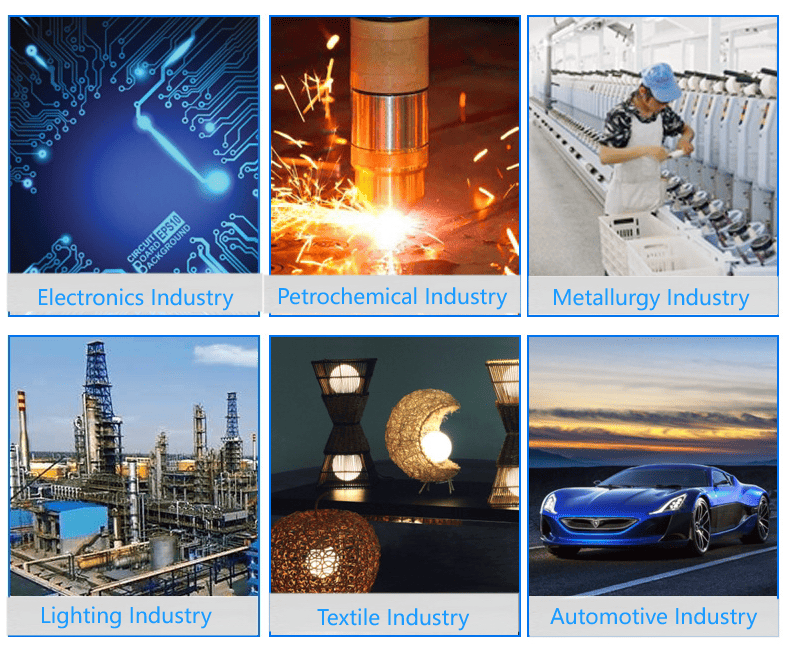
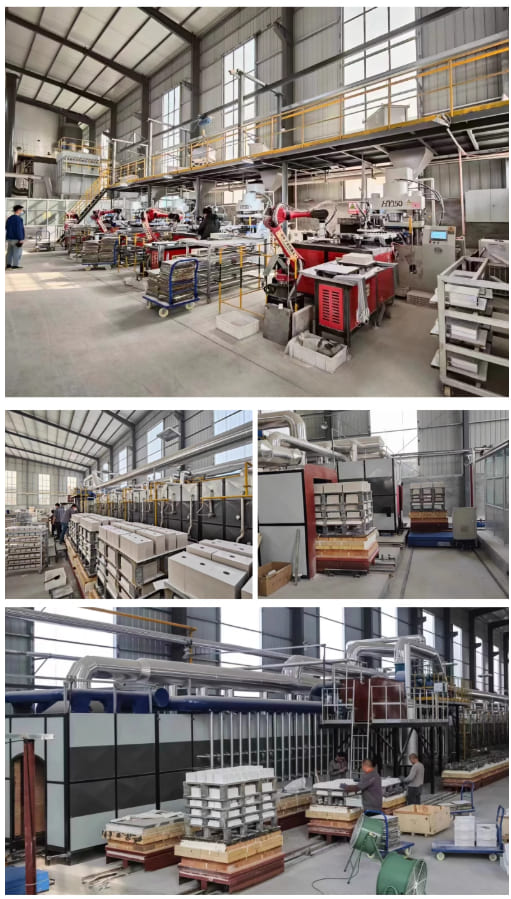
Company Introduction
Advanced Ceramics founded on October 17, 2014, is a high-tech enterprise committed to the research and development, production, processing, sales and technical services of ceramic relative materials and products.. Since its establishment in 2014, the company has been committed to providing customers with the best products and services, and has become a leader in the industry through continuous technological innovation and strict quality management.
Our products includes but not limited to Silicon carbide ceramic products, Boron Carbide Ceramic Products, Boron Nitride Ceramic Products, Silicon Carbide Ceramic Products, Silicon Nitride Ceramic Products, Zirconium Dioxide Ceramic Products, Quartz Products, etc. Please feel free to contact us.
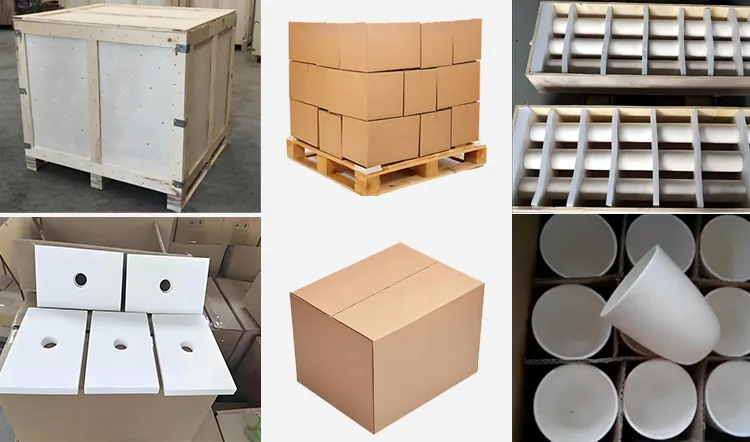
Payment Methods
T/T, Western Union, Paypal, Credit Card etc.
Shipment Methods
By air, by sea, by express, as customers request.
5 FAQs of Laser Processing Aluminum Oxide Plate 96% Al2O3 Alumina Ceramic Substrate
Laser Processing Aluminum Oxide Plate 96% Alumina Ceramic: Key Questions
What is this aluminum oxide plate?
This plate is a 96% Al2O3 alumina ceramic substrate. It’s very hard. It withstands high temperatures well. It resists chemical corrosion effectively. It provides excellent electrical insulation. These properties make it ideal for demanding electronics, medical devices, and industrial parts.
Why use a laser for processing this ceramic?
Lasers offer precision cutting and drilling. Traditional methods often cause chipping or cracking. Lasers minimize this damage. They create clean edges. They handle complex shapes easily. Laser processing is non-contact. This avoids mechanical stress on the brittle ceramic.
What thickness works best for laser processing?
Thinner plates generally process easier. Plates under 1mm thick cut very cleanly. Plates from 1mm to 2mm thick process well with careful settings. Plates over 2mm thick become more challenging. They require slower speeds. They need higher laser power. The risk of thermal cracking increases with thickness.
Are there special handling requirements?
Yes, handle the ceramic carefully before and after laser processing. It is brittle. Avoid impacts. Secure the plate firmly during laser work. This prevents vibration. Vibration leads to poor cuts. Control heat buildup during processing. Excessive heat causes cracks. Manage ceramic dust. Use proper extraction. The dust is a health hazard.
Is post-processing needed after laser cutting?
Usually, yes. Laser cutting can leave a slight heat-affected zone. This zone might have a rough edge or discoloration. Light grinding or polishing often improves the edge finish. Cleaning is essential. Remove all ceramic dust residue. This ensures the part meets specifications. It guarantees cleanliness for sensitive applications.
(Laser Processing Aluminum Oxide Plate 96% Al2O3 Alumina Ceramic Substrate)
REQUEST A QUOTE
RELATED PRODUCTS
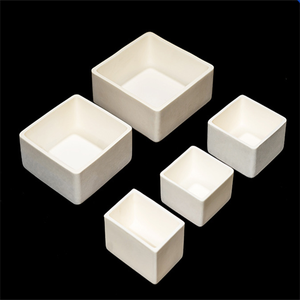
99% Purity Alumina Ceramic/Al2O3 Ceramic Tube/Rod
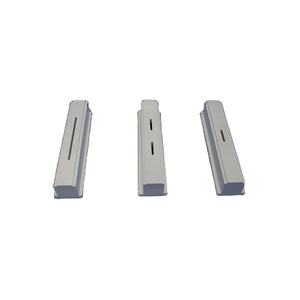
125mm 100mm Grinder Ceramic Zirconium Aluminum Oxide Silicon Carbide Fibre Discs Paper
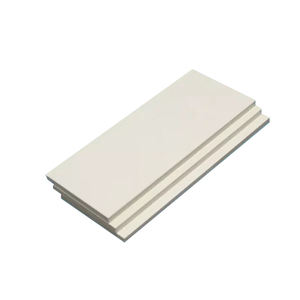
960KG Factory High Temperature Alumina Ceramic Fiber Blanket Aluminium Silica Fibre Wool Blanket for Oven
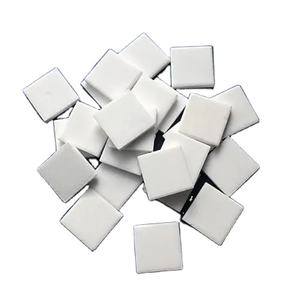
Multicurved Alumina Plate Silicon Carbide Plate Ceramic STA Armor Plate Tactical Hard Panel Strike Face
Alumina Porcelain Ceramic White/ Black Reaction Plate Spot Plate