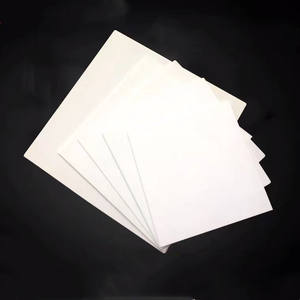
Discover Premium Ceramic Products | Durability & Elegance United | Advanced Ceramics

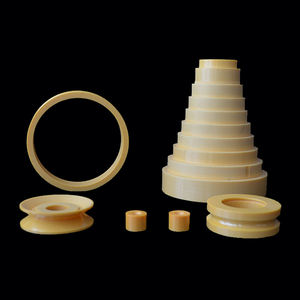
PRODUCT PARAMETERS
Description
Introduction to Low-Sodium Aluminum Oxide Micro Powder for High-Purity Material Preparation (Na2O ≤ 0.03%)
Alumina ceramics are known for their high hardness, wear resistance, corrosion resistance, good electrical insulation and high temperature stability. According to the different alumina content, it can be divided into different grades, such as 95 porcelain, 99 porcelain, etc., among which 99 porcelain refers to ceramic materials with an alumina content of 99%. As the alumina content increases, its mechanical strength and electrical insulation properties will also increase accordingly.
Characteristics of Low-Sodium Aluminum Oxide Micro Powder for High-Purity Material Preparation (Na2O ≤ 0.03%)
High Hardness: Alumina ceramics have extremely high hardness, which makes it very wear-resistant and suitable for manufacturing abrasive tools and parts that require wear resistance.
Wear resistance: Due to its high hardness, alumina ceramics show excellent wear resistance and are suitable for manufacturing parts for long-term use.
Corrosion resistance: Alumina ceramics have good resistance to most acids and alkalis, making them widely used in the chemical industry.
Good electrical insulation: As an excellent electrical insulating material, alumina ceramics are widely used in electronic and electrical products.
High temperature stability: Ability to withstand extremely high temperatures without significant physical or chemical changes, which makes it an ideal choice for applications in high temperature environments.
Biocompatibility: In the medical field, certain grades of alumina ceramics are used to make medical devices such as artificial joints due to their good biocompatibility.
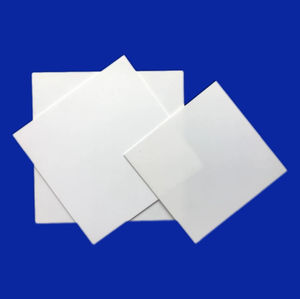
(Low-Sodium Aluminum Oxide Micro Powder for High-Purity Material Preparation (Na2O ≤ 0.03%))
Specifications of Low-Sodium Aluminum Oxide Micro Powder for High-Purity Material Preparation (Na2O ≤ 0.03%)
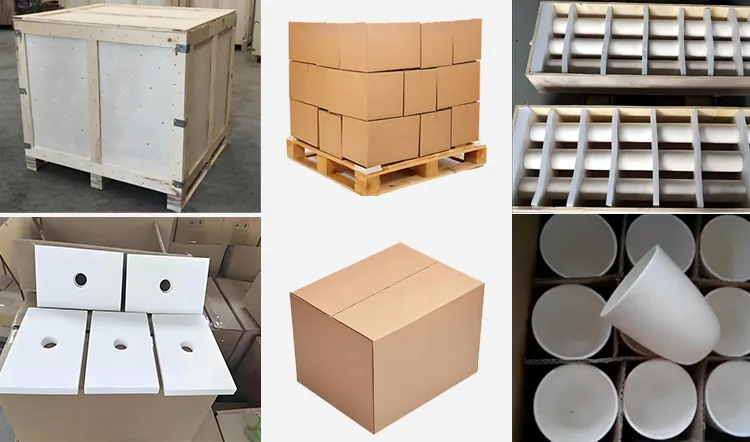
This aluminum oxide micro powder delivers exceptional purity. It features a sodium oxide (Na₂O) content of 0.03% or less. This low sodium level is critical for demanding applications. High sodium can ruin sensitive processes. This grade prevents contamination effectively. You get consistent results every time. The fine particle size is another key advantage. We precisely control the grinding process. Typical particle sizes range from sub-micron to a few microns. This micro powder offers excellent uniformity. It flows well and disperses easily in liquids or binders. The chemical purity is very high overall. Aluminum oxide (Al₂O₃) makes up over 99.9% of the material. Trace metal impurities are kept extremely low. This ensures minimal interference in your final products. It is ideal for precision polishing tasks. The fine particles create smooth, scratch-free surfaces on hard materials like sapphire or silicon wafers. It serves as a superb raw material for high-performance ceramics. The low sodium prevents unwanted glassy phases during sintering. This helps achieve superior ceramic density and strength. You can also use it in specialized coatings. The micro powder provides hardness and wear resistance. It works well in composite materials requiring purity. The powder is chemically stable and inert. It withstands high temperatures without issue. Handling is straightforward due to its consistent properties. We package it carefully to maintain quality. Options include sealed bags or moisture-proof containers.
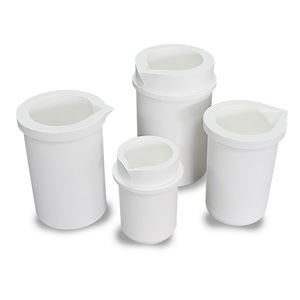
(Low-Sodium Aluminum Oxide Micro Powder for High-Purity Material Preparation (Na2O ≤ 0.03%))
Applications of Low-Sodium Aluminum Oxide Micro Powder for High-Purity Material Preparation (Na2O ≤ 0.03%)
Low-sodium aluminum oxide micro powder is essential for making high-purity materials. Its very low sodium oxide content (Na2O ≤ 0.03%) is critical. Sodium impurities cause big problems. They can ruin material performance. This powder avoids that.
One key use is growing sapphire crystals. Sapphire needs extreme purity for optics and electronics. Sodium contamination causes defects. It weakens the crystal structure. Low-sodium alumina powder prevents this. It ensures strong, clear sapphire.
It’s also vital for advanced ceramic substrates. Electronics use these substrates. Sodium impurities affect electrical properties. They can lead to failures. Using low-sodium alumina keeps the substrates reliable. This is important for circuits and chips.
High-performance optical materials depend on this powder too. Lenses and laser components need perfect clarity. Sodium causes cloudiness or discoloration. Pure alumina powder gives optical-grade quality. It keeps light transmission high.
The powder is important for fine polishing compounds. These compounds smooth surfaces without scratching. Sodium residues can leave marks. Low-sodium alumina prevents surface damage. It allows for perfect finishing.
Specialty glass manufacturing also benefits. Some glasses require pure alumina additives. Sodium interferes with melting. It changes the glass properties. Low-sodium alumina ensures the glass performs correctly.
Controlling sodium is non-negotiable for these applications. Even tiny amounts matter. This micro powder delivers the necessary purity. It enables the production of top-grade materials across industries.

Company Introduction
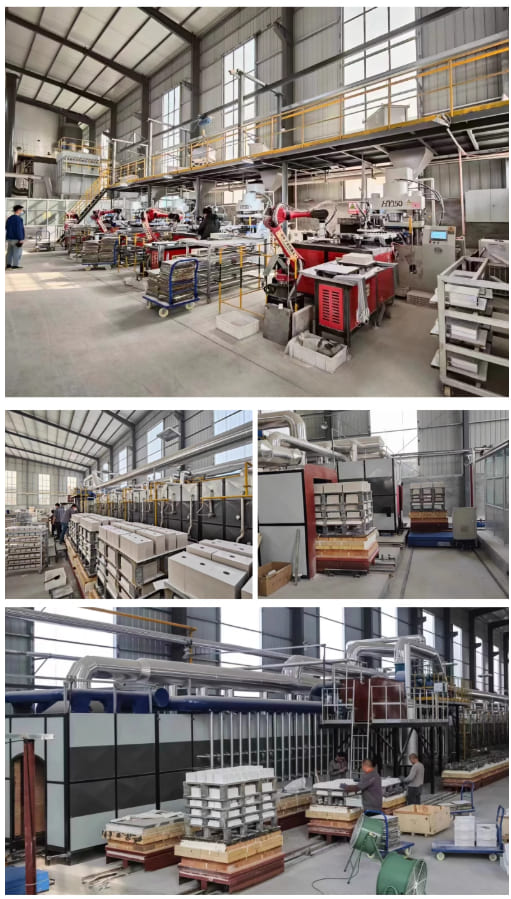
Advanced Ceramics founded on October 17, 2014, is a high-tech enterprise committed to the research and development, production, processing, sales and technical services of ceramic relative materials and products.. Since its establishment in 2014, the company has been committed to providing customers with the best products and services, and has become a leader in the industry through continuous technological innovation and strict quality management.
Our products includes but not limited to Silicon carbide ceramic products, Boron Carbide Ceramic Products, Boron Nitride Ceramic Products, Silicon Carbide Ceramic Products, Silicon Nitride Ceramic Products, Zirconium Dioxide Ceramic Products, Quartz Products, etc. Please feel free to contact us.
Payment Methods
T/T, Western Union, Paypal, Credit Card etc.
Shipment Methods
By air, by sea, by express, as customers request.
5 FAQs of Low-Sodium Aluminum Oxide Micro Powder for High-Purity Material Preparation (Na2O ≤ 0.03%)
What makes this aluminum oxide powder different?
The key feature is its extremely low sodium level. We guarantee Na2O content at or below 0.03%. This sets it apart from standard aluminum oxide powders. Regular powders often have higher sodium impurities.
Why is low sodium so important?
Sodium can ruin high-purity materials. It acts as a contaminant. Even tiny amounts cause problems in sensitive applications. This powder avoids that risk. It keeps your final product pure.
How fine is this powder?
It is a micro powder. That means very small particle sizes. The fine particles give a large surface area. This helps in sintering and chemical reactions. It promotes better material performance.
Where is this low-sodium powder typically used?
It’s essential for high-end ceramics and advanced electronics. Think semiconductors and specialized optics. Sodium impurities degrade these products. This powder ensures top quality results.
How do you guarantee consistency?
We use strict production controls. Raw materials are carefully selected. The manufacturing process minimizes contamination. Every batch undergoes thorough testing. We check sodium levels and particle size. This ensures reliable quality for your needs.
(Low-Sodium Aluminum Oxide Micro Powder for High-Purity Material Preparation (Na2O ≤ 0.03%))
REQUEST A QUOTE
RELATED PRODUCTS
Customized Precision Industrial Ceramic Structural Parts Insulation High Temperature Resistant 99.7% Alumina Ceramic Base
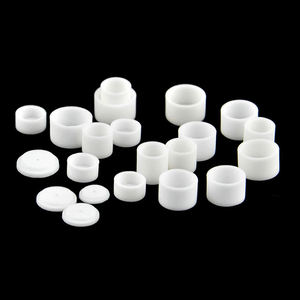
High Precision Alumina Ceramic Parts Aluminum Oxide Refractory Ceramic Tube Round Hole Straight Cylinder Ceramic Shaft
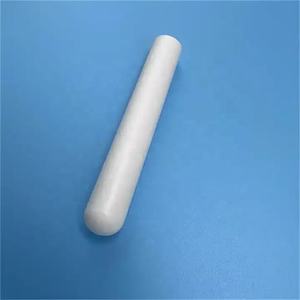
Highefficiency Catalyst Support: Aluminum Oxide Microspheres
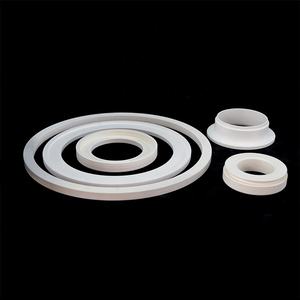
95 Alumina Ceramic Parts OEM Size and Shape Wear-resistant Mechanical Ceramic Parts
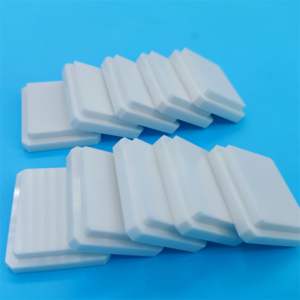
Alumina Ceramic, High-temperature Resistant Electronic Ceramic Material, 95% Alumina Ceramic Tube.