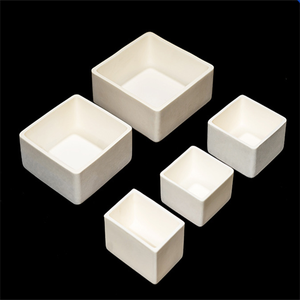
Discover Premium Ceramic Products | Durability & Elegance United | Advanced Ceramics

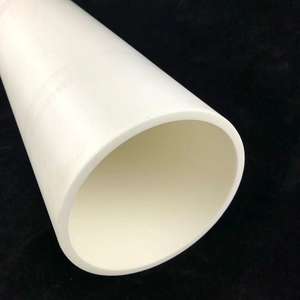
PRODUCT PARAMETERS
Description
Introduction to Production of Optical Components Raw Materials of Regular Aluminum Oxide (High Al2O3 Content)
Alumina ceramics are known for their high hardness, wear resistance, corrosion resistance, good electrical insulation and high temperature stability. According to the different alumina content, it can be divided into different grades, such as 95 porcelain, 99 porcelain, etc., among which 99 porcelain refers to ceramic materials with an alumina content of 99%. As the alumina content increases, its mechanical strength and electrical insulation properties will also increase accordingly.
Characteristics of Production of Optical Components Raw Materials of Regular Aluminum Oxide (High Al2O3 Content)
High Hardness: Alumina ceramics have extremely high hardness, which makes it very wear-resistant and suitable for manufacturing abrasive tools and parts that require wear resistance.
Wear resistance: Due to its high hardness, alumina ceramics show excellent wear resistance and are suitable for manufacturing parts for long-term use.
Corrosion resistance: Alumina ceramics have good resistance to most acids and alkalis, making them widely used in the chemical industry.
Good electrical insulation: As an excellent electrical insulating material, alumina ceramics are widely used in electronic and electrical products.
High temperature stability: Ability to withstand extremely high temperatures without significant physical or chemical changes, which makes it an ideal choice for applications in high temperature environments.
Biocompatibility: In the medical field, certain grades of alumina ceramics are used to make medical devices such as artificial joints due to their good biocompatibility.
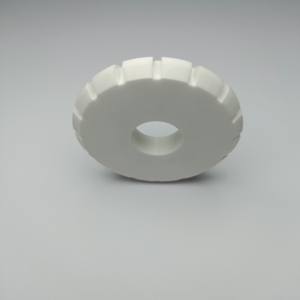
(Production of Optical Components Raw Materials of Regular Aluminum Oxide (High Al2O3 Content))
Specifications of Production of Optical Components Raw Materials of Regular Aluminum Oxide (High Al2O3 Content)
Our optical components rely on high purity aluminum oxide. We use raw materials with a very high Al2O3 content. This is crucial. High Al2O3 means excellent chemical stability. It provides good mechanical strength. These properties are essential for precision optics. We source the purest aluminum oxide powders available. Impurity levels are strictly controlled. Trace elements can affect optical performance. We test every batch thoroughly. Material consistency is non-negotiable. Consistent raw material ensures consistent parts.
The production process is precise. We start with carefully selected powders. These powders undergo specific forming techniques. Sintering follows forming. Sintering conditions are tightly monitored. Temperature and atmosphere are critical. Proper sintering achieves high density. High density minimizes light scattering. It enhances the component’s durability. Surface finish gets close attention. Post-sintering machining achieves smooth surfaces. Smooth surfaces are vital for light transmission.
These components exhibit outstanding optical properties. They transmit light well across specific wavelengths. They withstand high temperatures effectively. Chemical resistance is another key benefit. These parts handle harsh environments reliably. You find them in demanding applications. Laser systems use them extensively. Semiconductor manufacturing equipment relies on them. Scientific instruments incorporate these optical components. High-performance lighting systems utilize them too. The high Al2O3 content makes this possible. It delivers the necessary performance characteristics.
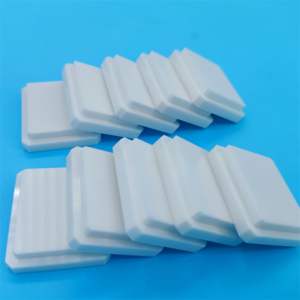
(Production of Optical Components Raw Materials of Regular Aluminum Oxide (High Al2O3 Content))
Applications of Production of Optical Components Raw Materials of Regular Aluminum Oxide (High Al2O3 Content)
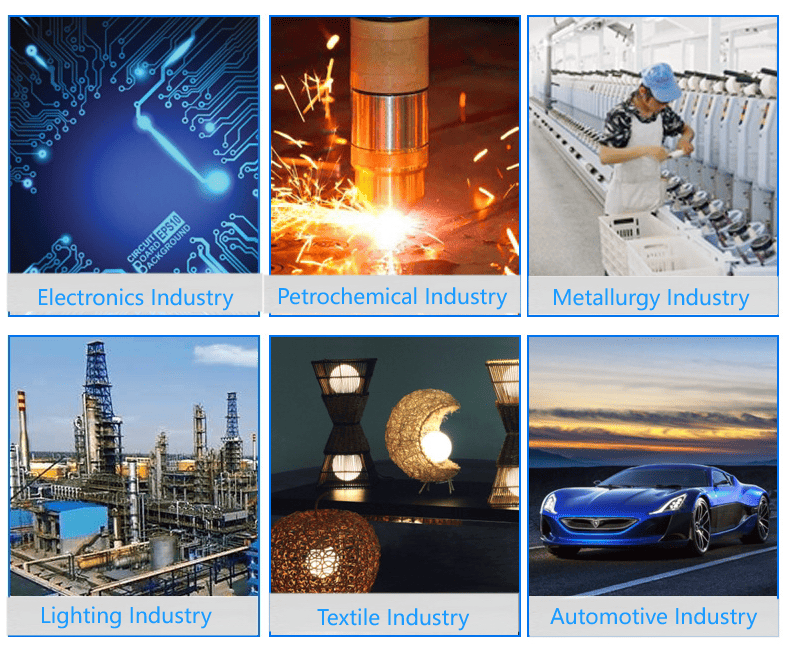
Regular aluminum oxide with high Al2O3 content is vital for making optical parts. This material is very hard. It resists scratches well. It stays strong under high heat. These traits are crucial for optics. Manufacturers need tough materials. Optics face tough conditions. High-purity aluminum oxide meets this need. It is see-through for certain lights. This includes infrared light. This makes it perfect for infrared optics. Think of thermal cameras. Think of night vision devices. These systems rely on clear windows. Aluminum oxide provides that clarity. It also works for laser systems. Laser light is powerful. It needs strong windows. Aluminum oxide handles the power. It doesn’t break easily. It doesn’t distort the light beam. Many lenses use this material. Lenses focus light. They need to be precise. Aluminum oxide can be shaped precisely. It holds its shape under stress. It doesn’t warp with temperature changes. This stability is key. Optical systems demand reliability. Substrates for mirrors use it too. A mirror needs a solid base. Aluminum oxide provides a smooth, stable surface. It helps create sharp reflections. It supports thin film coatings. These coatings enhance optical performance. The material withstands the coating process. Its high melting point helps. Furnaces heat materials for coating. Aluminum oxide doesn’t degrade. It maintains its properties. This ensures long-lasting optical components. Its chemical resistance is another plus. Harsh chemicals won’t damage it easily. Optics sometimes face corrosive environments. Aluminum oxide survives these conditions. It offers a good lifespan. Industries like aerospace use these parts. Defense applications depend on them. Scientific research needs reliable optics. High-purity aluminum oxide delivers that reliability consistently.
Company Introduction
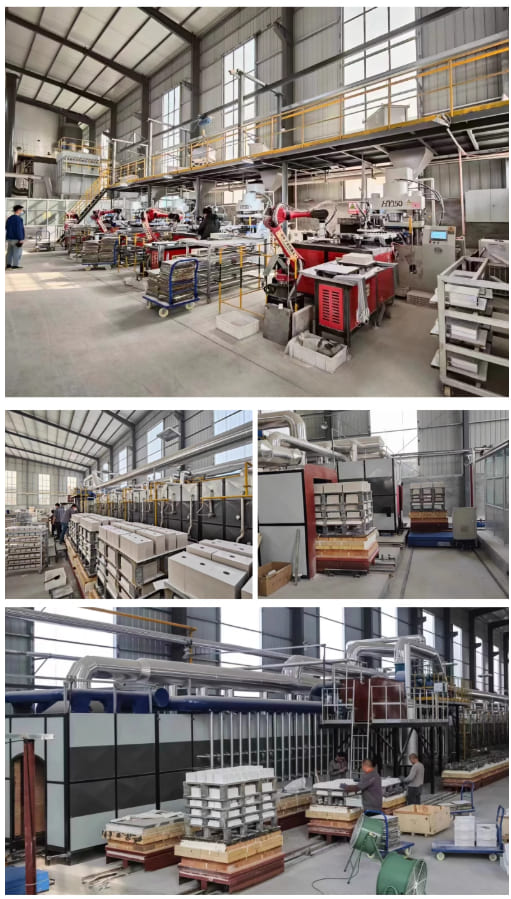
Advanced Ceramics founded on October 17, 2014, is a high-tech enterprise committed to the research and development, production, processing, sales and technical services of ceramic relative materials and products.. Since its establishment in 2014, the company has been committed to providing customers with the best products and services, and has become a leader in the industry through continuous technological innovation and strict quality management.
Our products includes but not limited to Silicon carbide ceramic products, Boron Carbide Ceramic Products, Boron Nitride Ceramic Products, Silicon Carbide Ceramic Products, Silicon Nitride Ceramic Products, Zirconium Dioxide Ceramic Products, Quartz Products, etc. Please feel free to contact us.
Payment Methods
T/T, Western Union, Paypal, Credit Card etc.
Shipment Methods
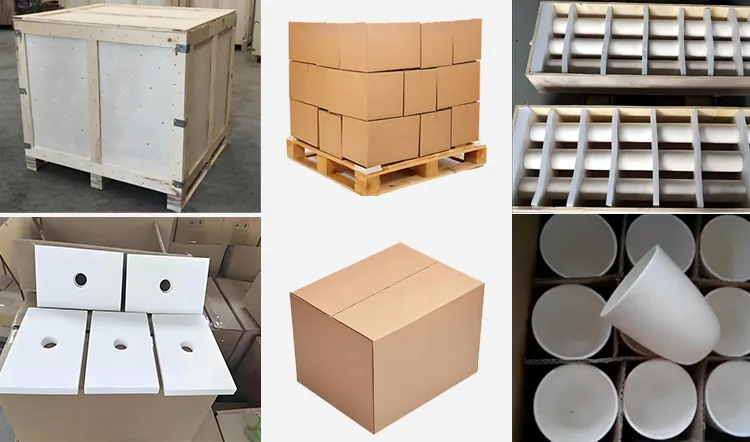
By air, by sea, by express, as customers request.
5 FAQs of Production of Optical Components Raw Materials of Regular Aluminum Oxide (High Al2O3 Content)
What makes high Al2O3 aluminum oxide good for optical parts?
High Al2O3 aluminum oxide is very pure. It has over 99% aluminum oxide. This high purity is key. It lets light pass through with little loss. The material is also very hard. It resists scratches well. These properties make it suitable for lenses, windows, and tubes needing clear vision and durability.
Why is high purity so important?
Impurities ruin optical quality. Even tiny amounts of other elements cause problems. They scatter light or absorb it. This makes the part look cloudy or colored. High purity minimizes these flaws. It ensures the part stays clear and transmits light correctly. This is essential for precise optical systems.
How is the raw material turned into optical parts?
Making these parts starts with fine powder. The powder must be extremely pure. Workers press this powder into the desired shape. Then, they fire it at very high temperatures. This process is called sintering. Sintering fuses the powder particles. It creates a solid, dense piece. After sintering, precise grinding and polishing finish the surface. This achieves the exact shape and smoothness needed for light to pass perfectly.
What are the big challenges in production?
Getting consistent quality is hard. The powder must be perfectly uniform. Any variation affects the final part. Sintering is tricky too. The temperature and time must be exact. Mistakes cause bubbles, warping, or weak spots. These defects ruin the optical performance. Careful control at every step is vital. It prevents flaws that scatter light or distort images.
How should this raw material be handled?
Handle the powder carefully. It is very fine. It can easily become airborne. Breathing it in is bad for health. Always use dust masks and good ventilation. The sintered material is hard but brittle. It can chip or crack if dropped or knocked. Workers need to avoid impacts during handling and machining. Proper tools and gentle techniques prevent damage.
(Production of Optical Components Raw Materials of Regular Aluminum Oxide (High Al2O3 Content))
REQUEST A QUOTE
RELATED PRODUCTS
Calcined Alpha Type Aluminum Oxide Powder Alumina Ceramic Powder
High Temperature Insulating Ceramic Tube Alumina Zirconia Ceramic
Manufacturing Dry Pressing Moulding 99% Al2O3 Alumina Ceramic Block Plate
Advanced Ultrafine Precision High Purity 99% Al2O3 Alumina Ceramic Tube Pipe Canal
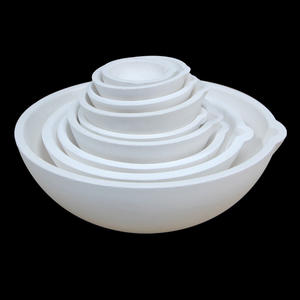
High Quality Factory Customized Hard Alumina Ceramic Plate Insert Subassembly for Strike Face Board