Discover Premium Ceramic Products | Durability & Elegance United | Advanced Ceramics

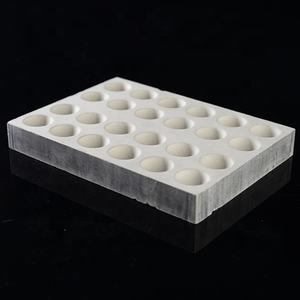
PRODUCT PARAMETERS
Description
Introduction to Alumina Ceramics
Alumina ceramics are known for their high hardness, wear resistance, corrosion resistance, good electrical insulation and high temperature stability. According to the different alumina content, it can be divided into different grades, such as 95 porcelain, 99 porcelain, etc., among which 99 porcelain refers to ceramic materials with an alumina content of 99%. As the alumina content increases, its mechanical strength and electrical insulation properties will also increase accordingly.
Characteristics of Alumina Ceramics
High Hardness: Alumina ceramics have extremely high hardness, which makes it very wear-resistant and suitable for manufacturing abrasive tools and parts that require wear resistance.
Wear resistance: Due to its high hardness, alumina ceramics show excellent wear resistance and are suitable for manufacturing parts for long-term use.
Corrosion resistance: Alumina ceramics have good resistance to most acids and alkalis, making them widely used in the chemical industry.
Good electrical insulation: As an excellent electrical insulating material, alumina ceramics are widely used in electronic and electrical products.
High temperature stability: Ability to withstand extremely high temperatures without significant physical or chemical changes, which makes it an ideal choice for applications in high temperature environments.
Biocompatibility: In the medical field, certain grades of alumina ceramics are used to make medical devices such as artificial joints due to their good biocompatibility.
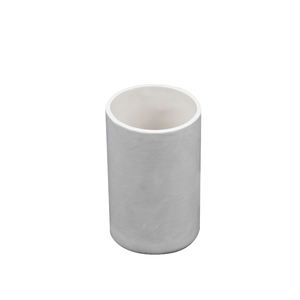
(Special and Industrial Thin Al2o3 Alumina Ceramic Tube)
Specifications of Special and Industrial Thin Al2o3 Alumina Ceramic Tube
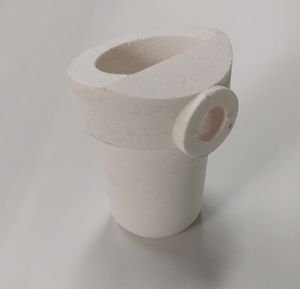
The Special and Industrial Thin Al2O3 Alumina Ceramic Tube is created for high-performance applications. It makes use of aluminum oxide (Al2O3) as the base product. This guarantees superb thermal stability and chemical resistance. The ceramic tubes are made with precision to satisfy stringent industrial requirements.
The product structure includes 95% or 99.5% alumina content. Greater pureness degrees improve mechanical stamina and electric insulation. The tubes operate in temperature levels up to 1700 ° C. They maintain architectural integrity under severe warmth. Thermal shock resistance avoids cracking throughout fast temperature level adjustments.
Standard outer diameters range from 2mm to 50mm. Wall surface thickness varies between 0.5 mm and 5mm. Custom-made sizes are available for certain demands. The density is usually 3.6-3.9 g/cm FIVE. This balances light-weight layout with durability. Surface area finishes are smooth or refined to decrease friction and wear.
These tubes resist rust from acids, alkalis, and molten steels. They are suitable for rough chemical atmospheres. High solidity (Hv 1500-1700) decreases abrasion damage. Electric insulation residential properties avoid existing leak. This makes them ideal for electronic components.
Applications consist of thermocouple defense, heater cellular linings, and semiconductor handling devices. They are used in laser systems, clinical gadgets, and aerospace components. Televisions ensure trusted efficiency in thermal monitoring and insulation jobs.
Advantages consist of long service life and reduced upkeep. They outperform metals and plastics in high-temperature setups. Price performance originates from minimized substitute regularity. Customizable dimensions and surface area therapies adapt to varied industrial requirements.
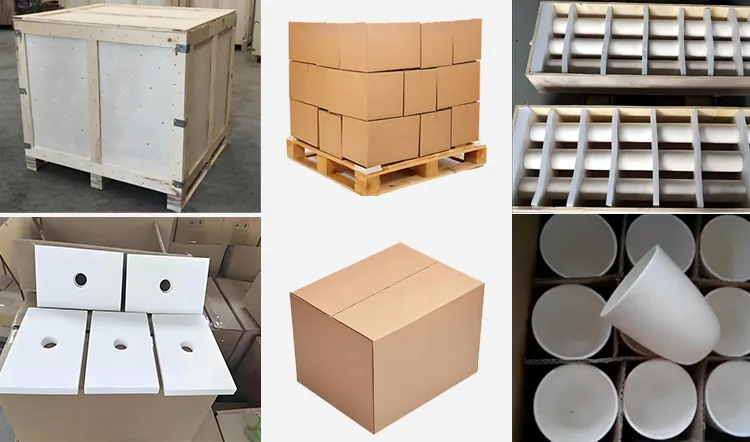
The product undertakes strict top quality checks. Each set is tested for dimensional precision and product uniformity. This assures reliability in essential procedures. Product packaging options safeguard tubes during shipping and storage. Technical assistance is available for setup and usage assistance.
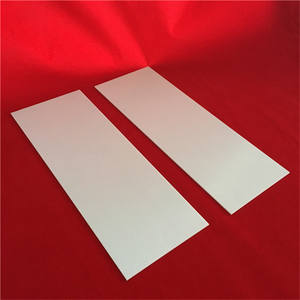
(Special and Industrial Thin Al2o3 Alumina Ceramic Tube)
Applications of Special and Industrial Thin Al2o3 Alumina Ceramic Tube
Unique and industrial slim Al2O3 alumina ceramic tubes are commonly utilized in numerous fields due to their one-of-a-kind properties. These tubes are made from high-purity light weight aluminum oxide. They offer excellent thermal security, electrical insulation, and resistance to rust. Their slim structure allows adaptability in design while preserving stamina.
One major application is in high-temperature settings. These tubes take care of severe warmth without breaking down. They are utilized as safety sheaths for thermocouples in heating systems or kilns. The material stops damages from molten metal or hot gases. This makes sure precise temperature level measurements in industrial processes.
An additional essential use remains in electronic devices and electrical systems. Alumina ceramic tubes serve as insulators for cables and components. They protect against electric currents from leaking. This is vital in high-voltage tools like transformers or circuit breakers. Their resistance to arc erosion makes them reliable popular problems.
The chemical industry depends on these tubes for managing corrosive substances. They endure acids, alkalis, and solvents. Alumina ceramic tubes are used in pumps, valves, and piping systems. Their non-reactive nature protects against contamination. This is crucial in pharmaceutical production or chemical handling plants.
Wear-resistant parts likewise take advantage of alumina ceramic tubes. They protect equipment in mining or manufacturing. The tubes minimize friction and abrasion in tools like conveyor systems. This prolongs the life-span of components subjected to hefty use.
Medical equipment utilizes these tubes for their biocompatibility. They are risk-free for sanitation and withstand physical liquids. Applications include surgical tools or imaging gadgets. The product’s stability makes certain precision in sensitive medical environments.
Thin alumina ceramic tubes are chosen for their lightweight yet sturdy design. They execute far better than steels or plastics in rough problems. Customized sizes and shapes are possible for specialized demands. This flexibility makes them beneficial across industries.
The mix of thermal, electrical, and chemical resistance sets these tubes apart. They offer affordable services for testing applications. Their integrity supports effective procedures in manufacturing, energy, and innovation sectors.

Company Introduction
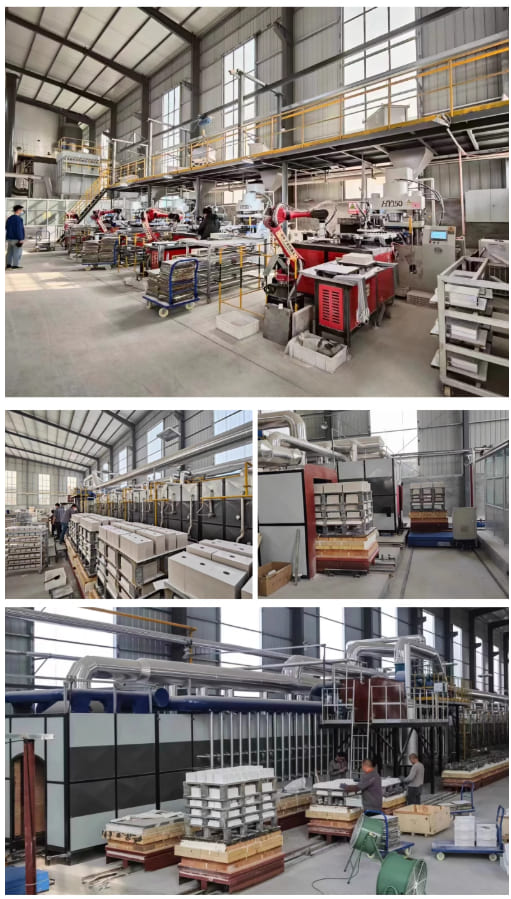
Advanced Ceramics founded on October 17, 2014, is a high-tech enterprise committed to the research and development, production, processing, sales and technical services of ceramic relative materials and products.. Since its establishment in 2014, the company has been committed to providing customers with the best products and services, and has become a leader in the industry through continuous technological innovation and strict quality management.
Our products includes but not limited to Silicon carbide ceramic products, Boron Carbide Ceramic Products, Boron Nitride Ceramic Products, Silicon Carbide Ceramic Products, Silicon Nitride Ceramic Products, Zirconium Dioxide Ceramic Products, Quartz Products, etc. Please feel free to contact us.(nanotrun@yahoo.com)
Payment Methods
T/T, Western Union, Paypal, Credit Card etc.
Shipment Methods
By air, by sea, by express, as customers request.
5 FAQs of Special and Industrial Thin Al2o3 Alumina Ceramic Tube
What is a Special and Industrial Thin Al2O3 Alumina Ceramic Tube?
These tubes are made from aluminum oxide. They’re designed for tough environments needing high heat resistance, electrical insulation, or chemical stability. Their thin walls save weight but keep strength. They’re common in labs, factories, or high-tech equipment where regular materials fail.
What makes Alumina Ceramic Tubes better than metal or plastic tubes?
Alumina handles high heat better than metal or plastic. It doesn’t melt or warp under extreme temperatures. It resists chemicals, acids, and corrosion. It’s also an electrical insulator, so it’s safe in circuits or high-voltage setups. Metal conducts electricity and heat, plastic melts easily—alumina solves these issues.
Where are these tubes typically used?
They’re found in furnaces, semiconductor tools, sensors, or protective housings. Factories use them for thermocouple protection, molten metal handling, or insulating parts in heaters. Labs use them for experiments involving corrosive substances. Their durability suits aerospace, automotive, or energy sectors too.
How hot can these tubes get before failing?
They work continuously at 1600°C (2912°F). Short-term exposure can reach 1800°C (3272°F). Exact limits depend on tube thickness and purity. Unlike metals, they don’t oxidize or weaken at high heat. Sudden temperature changes won’t crack them if they’re high-quality.
Can these tubes be customized for specific needs?
Yes. Sizes, shapes, wall thickness, or surface finishes are adjustable. Holes, slots, or threads can be added. Purity levels vary—99% alumina is standard, but higher grades improve performance. Customization helps fit unique machinery or experimental setups. Check with suppliers for exact specs and production time.
(Special and Industrial Thin Al2o3 Alumina Ceramic Tube)
REQUEST A QUOTE
RELATED PRODUCTS

Ceramic 95% Alumina Ceramic Tube Cigar Torch Lighter Ceramic

99.6 % Alumina Ceramic Sheet
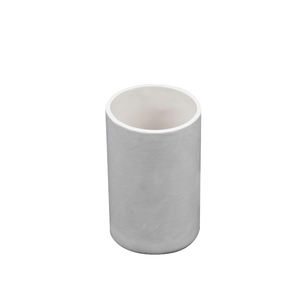
Glazed 99% Alumina Al2O3 Ceramic Insulation Parts Alumina Ceramic Wire Guide
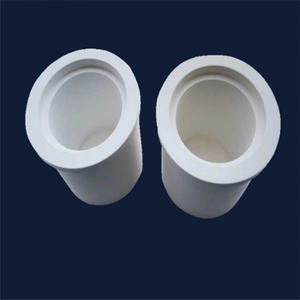
High Quality Alumina Al2o3 Plate Porous Foam Filter Plate Ceramic Fiber Boards 900*600*25 8 Pieces/box
Industrial Ceramic Parts 99 Aluminum Oxide Al2o3 Alumina Ceramic Structure Parts / Component