Discover Premium Ceramic Products | Durability & Elegance United | Advanced Ceramics

PRODUCT PARAMETERS
Description
Introduction of Acid Alkali Resistant Boron Carbide for Neutron Absorbers
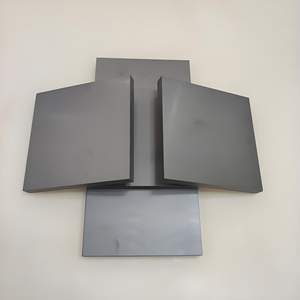
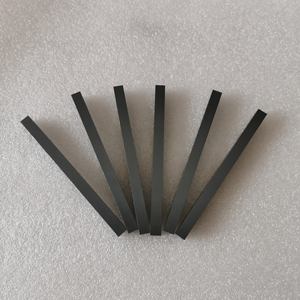
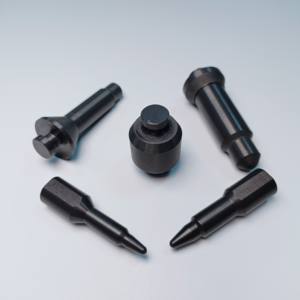
Boron carbide ceramics is an inorganic, non-metallic material with carbon and boron as its main components, and its chemical formula is B4C. Since its discovery in the early 20th century, this material has attracted a great deal of attention because of its unique physical and chemical properties. Boron carbide ceramics have an extremely high hardness, second only to diamond and cubic boron nitride, which makes it important in the field of wear-resistant materials. It also exhibits excellent corrosion resistance, high-temperature stability and low-density properties, attributes that make it ideal for the manufacture of bullet-proof vests, nozzles, bearings and other mechanical components that require high wear resistance. Boron carbide ceramics can also be prepared in a variety of shapes and sizes through different processes to meet the needs of different industries.
Characteristics of Acid Alkali Resistant Boron Carbide for Neutron Absorbers
Boron carbide ceramics are known for their excellent performance characteristics, starting with their ultra-high hardness and strength, which makes them resistant to severe abrasion and scratching, making them ideal for use in cutting tools and abrasives. Secondly, the material possesses excellent chemical stability and is less likely to react with chemicals such as acids and alkalis, even in extreme environments, making it widely used in certain key components in the chemical industry. In addition, the superior thermal stability of boron carbide ceramics and their ability to maintain structural and property stability at extremely high temperatures makes them one of the key materials in the aerospace and nuclear industries. Finally, it is worth mentioning its lightweight properties, which, due to its low density, make boron carbide ceramics an ideal option for application scenarios that require light weight but high strength. Together, these characteristics give boron carbide ceramics a wide range of applications.
(Acid Alkali Resistant Boron Carbide for Neutron Absorbers)
Specification of Acid Alkali Resistant Boron Carbide for Neutron Absorbers
Boron carbide is good for neutron absorbers. It stops neutrons well. This material is special. It resists acids and alkalis. Many chemicals don’t harm it. This is very important. Neutron absorbers work in tough places. They face strong chemicals. Acid alkali resistant boron carbide handles this. It lasts long. The material stays strong. Its shape doesn’t change much. This reliability matters a lot. Nuclear applications need dependable parts. Safety is always the top concern. This boron carbide helps keep things safe. It performs well over time. Workers trust its durability. Heat is another factor. Boron carbide handles high temperatures. Its performance stays consistent. Nuclear reactors get very hot. Materials must not fail. This boron carbide is stable. It doesn’t melt easily. This adds to its safety. Using this material makes sense. It protects against radiation. It withstands harsh chemicals. It endures extreme heat. People choose it for these reasons. Nuclear plants need effective shielding. This boron carbide provides that. Power generation uses it. Research facilities use it too. Medical applications find it useful. It offers solid protection. The material is proven effective.
(Acid Alkali Resistant Boron Carbide for Neutron Absorbers)
Applications of Acid Alkali Resistant Boron Carbide for Neutron Absorbers
Boron carbide is a special material. It works very well for stopping neutrons. This makes it important in nuclear settings. Its ability to resist acids and alkalis is key. This material doesn’t easily break down in harsh chemical conditions. That’s a big advantage.
Nuclear power plants use boron carbide often. It goes into control rods. Control rods manage the nuclear reaction. They absorb extra neutrons. This keeps the reaction safe and steady. Boron carbide control rods last a long time. They handle radiation well. They also resist corrosion from chemicals.
This material is also used for shielding. It protects workers from neutrons. Boron carbide shields are strong and reliable. They are used around nuclear equipment. They help keep radiation levels low.
Storing spent nuclear fuel requires safety. Boron carbide helps here too. It can be part of storage racks or containers. It absorbs neutrons from the old fuel. This prevents unexpected reactions. The acid and alkali resistance is crucial. Spent fuel pools have challenging water chemistry. Boron carbide stays stable in this environment.
Research reactors also need neutron absorbers. Boron carbide is a common choice. Scientists use it in experiments. It provides precise control over neutron flow. Its toughness and chemical resistance are valuable in labs.
Boron carbide is effective because of boron-10. Boron-10 absorbs neutrons strongly. The material itself is very hard. It keeps its shape under stress. It won’t melt at high temperatures. This combination of properties is rare. Boron carbide is hard to replace for these jobs. Its reliability makes it trusted in the nuclear field.

Company Introduction
Advanced Ceramics founded on October 17, 2014, is a high-tech enterprise committed to the research and development, production, processing, sales and technical services of ceramic relative materials and products.. Since its establishment in 2014, the company has been committed to providing customers with the best products and services, and has become a leader in the industry through continuous technological innovation and strict quality management.
Our products includes but not limited to Silicon carbide ceramic products, Boron Carbide Ceramic Products, Boron Nitride Ceramic Products, Silicon Carbide Ceramic Products, Silicon Nitride Ceramic Products, Zirconium Dioxide Ceramic Products, Quartz Products, etc. Please feel free to contact us.
Payment Methods
T/T, Western Union, Paypal, Credit Card etc.
Shipment Methods
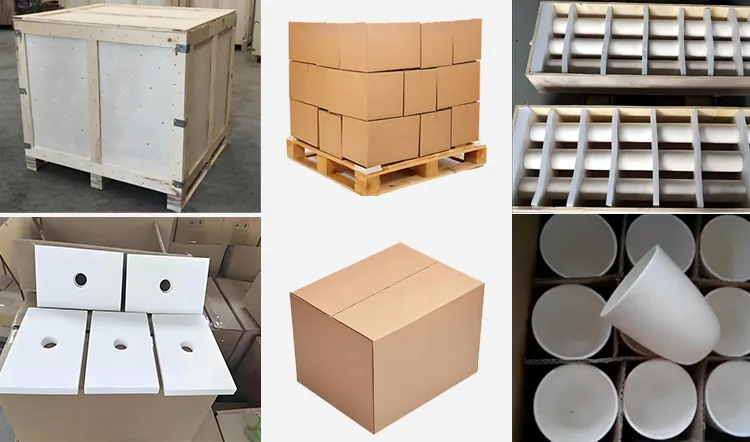
By air, by sea, by express, as customers request.
5 FAQs of Acid Alkali Resistant Boron Carbide for Neutron Absorbers
Here are answers to common questions about acid alkali resistant boron carbide for neutron absorbers.
What is acid alkali resistant boron carbide? This material is a specially treated form of boron carbide. Its key feature is resistance to strong acids and alkalis. This makes it perfect for tough environments like nuclear reactors. It needs to handle corrosive chemicals well.
Why is resistance to acids and alkalis important? Neutron absorbers often sit in harsh chemical settings. Regular boron carbide might break down faster there. Our special boron carbide holds up much better. It doesn’t weaken or fail quickly under chemical attack. This ensures stable, long-term performance.
How effective is it at absorbing neutrons? Boron is naturally excellent at capturing neutrons. Boron carbide uses boron for this job. Our treated material keeps boron’s great absorbing power. It stops neutrons effectively. This is vital for controlling nuclear reactions safely.
How long will it last? This material is built tough. It withstands radiation damage very well. Its chemical resistance adds to its lifespan. It doesn’t break down easily. You can count on it working reliably for a long time.
Is it safe? Yes, safety is critical. This boron carbide meets strict nuclear industry standards. It performs consistently under radiation and corrosion. It helps maintain safe control in reactors. We ensure it meets all necessary safety requirements.
(Acid Alkali Resistant Boron Carbide for Neutron Absorbers)
REQUEST A QUOTE
RELATED PRODUCTS
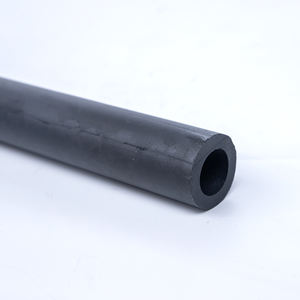
High Bending Strength Boron Carbide Ceramic B4c Rectangular Plate
Fine Boron Carbide B4c W0.5 Nano Particle Boron Carbide Powder for Wear Resistance Boron Carbide Ceramic Rod Control Rod
Boron Carbide Powder B4c for Ceramic Coating
Hot ing High Quality Boron Carbide for Bulletproof Materials
Durable Wear-Resistant Boron Carbide Plate for Enhanced Protection