Discover Premium Ceramic Products | Durability & Elegance United | Advanced Ceramics


PRODUCT PARAMETERS
Description
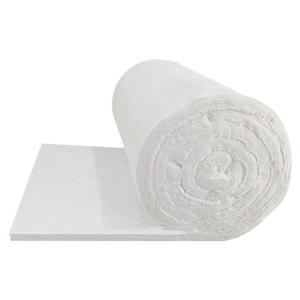
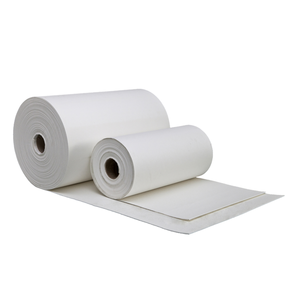
Overview of 1000-1600°C Refractory Ceramic Fiber Sheets, 3-200mm Thick
Explore our comprehensive range of high-performance 1000-1600°C Refractory Ceramic Fiber Sheets, 3-200mm Thick designed for exceptional thermal insulation and resistance in extreme temperature environments.
Features of 1000-1600°C Refractory Ceramic Fiber Sheets, 3-200mm Thick
- High-Temperature Stability: Withstand temperatures up to 1600°C and above.
- Low Thermal Conductivity: Provide superior energy efficiency and heat conservation.
- Thermal Shock Resistance: Excellent resilience against rapid temperature changes.
- Lightweight & Flexible: Easy to install in various industrial applications.
Specifications of 1000-1600°C Refractory Ceramic Fiber Sheets, 3-200mm Thick
These refractory ceramic fiber sheets handle extreme heat. They work reliably from 1000°C up to 1600°C. This makes them essential for serious thermal insulation. You get them in many thicknesses. Choices range from a thin 3mm up to a thick 200mm. Pick the exact thickness your project needs.
The sheets offer excellent thermal performance. Their low thermal conductivity keeps heat transfer minimal. This saves energy. It also protects surrounding areas effectively. Despite being lightweight, they are strong. They resist thermal shock very well. Rapid temperature changes won’t damage them easily. This durability is crucial for demanding applications.
Chemical resistance is another key feature. These sheets withstand attack from many corrosive substances. Common industrial fumes and molten metals won’t degrade them quickly. This chemical stability ensures long service life. Mechanical strength is good too. The sheets maintain their shape under load. They handle installation and operational stresses without crumbling.
Installation is straightforward. You can cut the sheets easily with basic tools. Fit them precisely into complex shapes or tight spaces. This flexibility speeds up projects. Common uses include furnace linings, kiln insulation, and expansion joint seals. They also work well in boiler insulation and fire protection barriers. Their versatility solves many high-heat problems.
These sheets provide reliable, long-lasting insulation. Their combination of high temperature resistance and easy handling makes them practical. Select the right thickness and grade for your specific heat requirements. Experience consistent performance in tough environments.
Applications of 1000-1600°C Refractory Ceramic Fiber Sheets, 3-200mm Thick
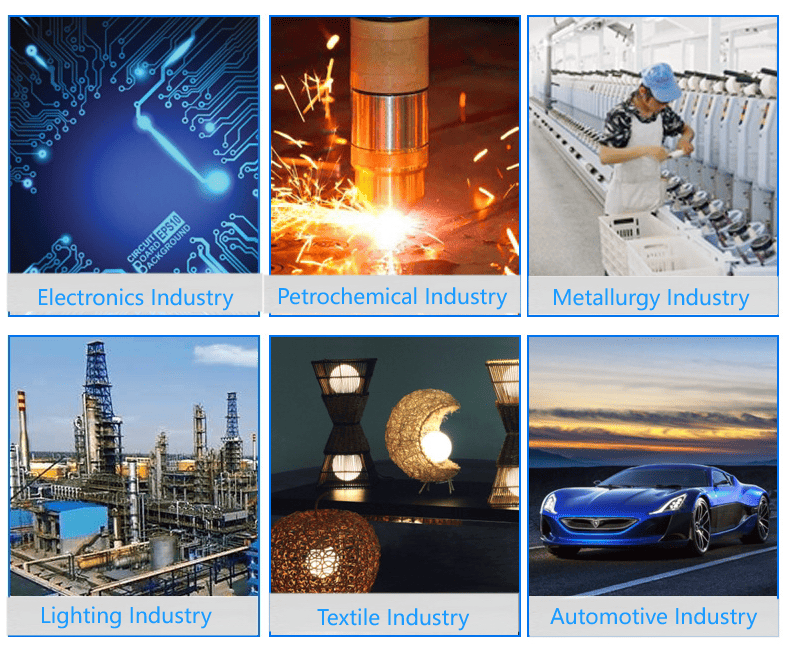
These 1000-1600°C refractory ceramic fiber sheets handle extreme heat. They insulate exceptionally well. You find them in demanding industrial settings. Furnace linings benefit greatly. Kiln linings rely on their stability. Boiler insulation uses these sheets effectively. High-temperature pipes need this protection. Fireproofing applications demand their performance.
Their thickness varies widely, from 3mm to 200mm. Choose thin sheets for tight spaces. Pick thicker sheets for superior insulation. Custom cuts fit specific equipment shapes. Installation is straightforward. Workers cut them easily onsite. They resist thermal shock superbly. Rapid temperature changes don’t damage them. This prevents cracking common in brick linings. Downtime for repairs decreases significantly.
Energy savings are a major advantage. These sheets trap heat inside processes. Less heat escapes into the surroundings. Furnaces require less fuel to stay hot. Operating costs drop noticeably. Plants see lower energy bills. They are lightweight compared to traditional materials. Structural support needs are reduced. Existing structures often handle the load easily.
Safety improves with these sheets. They provide excellent fire barriers. Critical equipment stays protected longer. Worker exposure to radiant heat lessens. Burn risks near hot surfaces decrease. Their low heat storage is important. Surfaces cool down faster after shutdowns. Maintenance becomes safer and quicker. They contain no asbestos. This makes them a safer choice overall. Their durability ensures long service life. Replacement frequency falls.
Company Introduction
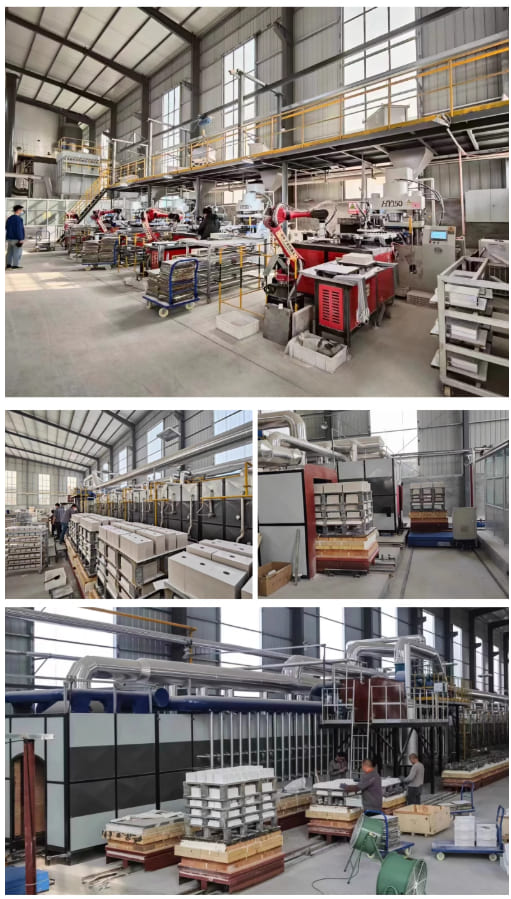
Advanced Ceramics founded on October 17, 2014, is a high-tech enterprise committed to the research and development, production, processing, sales and technical services of ceramic relative materials and products.. Since its establishment in 2014, the company has been committed to providing customers with the best products and services, and has become a leader in the industry through continuous technological innovation and strict quality management.
Our products includes but not limited to Silicon carbide ceramic products, Boron Carbide Ceramic Products, Boron Nitride Ceramic Products, Silicon Carbide Ceramic Products, Silicon Nitride Ceramic Products, Zirconium Dioxide Ceramic Products, Quartz Products, etc. Please feel free to contact us.
Payment Methods
T/T, Western Union, Paypal, Credit Card etc.
Shipment Methods
By air, by sea, by express, as customers request.
5 FAQs of 1000-1600°C Refractory Ceramic Fiber Sheets, 3-200mm Thick
What temperatures can these sheets handle?
These sheets resist temperatures from 1000°C up to 1600°C. The exact maximum depends on the specific ceramic fiber grade. They are designed for intense heat. They won’t melt or degrade within their rated range. This makes them suitable for furnaces, kilns, and boilers.
How do I pick the right thickness?
Thickness choices range from 3mm to 200mm. Thinner sheets (like 3mm-25mm) work well for wrapping pipes or adding light insulation layers. Thicker sheets (like 50mm-200mm) are needed for furnace linings or high-temperature equipment walls. The required thickness depends on your application’s heat level and desired insulation value. Thicker sheets provide better insulation.
How are these sheets installed?
Installation is straightforward. You can cut the sheets with standard tools. Use metal anchors, clips, or high-temperature adhesive to secure them. The sheets are flexible. They fit well against curved surfaces or complex shapes. Ensure joints are tight to prevent heat leaks. Always follow the manufacturer’s safety and installation guide.
Why choose ceramic fiber over traditional brick?
Ceramic fiber sheets offer key advantages. They are much lighter than firebrick. This reduces strain on structures. They have lower thermal conductivity. This means they trap heat better, saving energy. They heat up and cool down faster. This improves process efficiency. Their flexibility simplifies installation on tricky surfaces.
Are there safety concerns?
Handle these sheets with care. Wear gloves and a dust mask during cutting and installation. The fibers can irritate skin and lungs. Once installed and heated, the fibers bond together. This reduces fiber release significantly. The sheets are asbestos-free. They are a safer choice than older materials. Follow all handling instructions provided.
REQUEST A QUOTE
RELATED PRODUCTS

High-Temperature, Low-Cost Ceramic Fiber Blankets, 96/128 Kg/M³ Density.
High-Temperature Thermal Insulation Ceramic Fiber Blanket For Flue And Duct Linings
1430 Vacuum-Formed Ceramic Fiber Board Heat-Resistant Ceramic Fiber Board For Kilns

Whole Standard Ceramic Fiber Bulk Insulation, Ceramic Fiber Products, Fire-Resistant Wool Cotton Safes

2mm/3mm Thickness Ceramic Fiber Cloth With S.S. Cord