Discover Premium Ceramic Products | Durability & Elegance United | Advanced Ceramics

PRODUCT PARAMETERS
Description
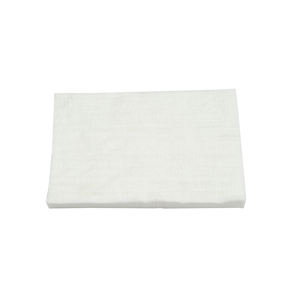
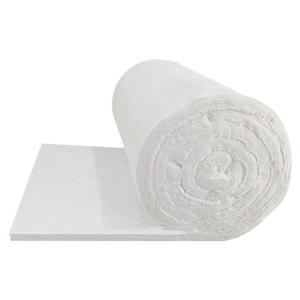
Overview of High-Temperature Thermal Insulation Ceramic Fiber Blanket For Flue And Duct Linings
Explore our comprehensive range of high-performance High-Temperature Thermal Insulation Ceramic Fiber Blanket For Flue And Duct Linings designed for exceptional thermal insulation and resistance in extreme temperature environments.
Features of High-Temperature Thermal Insulation Ceramic Fiber Blanket For Flue And Duct Linings
- High-Temperature Stability: Withstand temperatures up to 1600°C and above.
- Low Thermal Conductivity: Provide superior energy efficiency and heat conservation.
- Thermal Shock Resistance: Excellent resilience against rapid temperature changes.
- Lightweight & Flexible: Easy to install in various industrial applications.
Specifications of High-Temperature Thermal Insulation Ceramic Fiber Blanket For Flue And Duct Linings
This ceramic fiber blanket handles severe warmth. It shields flues and air ducts well. High temperatures damage typical cellular linings. This product fixes that trouble. It holds up against temperature levels as much as 2300 ° F(1260 ° C). It maintains warm inside the system. This conserves power. It reduces gas costs. It shields workers from hot surface areas. It shields surrounding tools as well.
The product is lightweight and flexible. Employees install it promptly. It fits tight areas easily. It is available in rolls. Density options prevail. One inch (25mm), 2 inches (50mm), and 3 inches (75mm) are typical. Thickness options exist as well. Six extra pounds per cubic foot (96kg/m ³ )and 8 pounds per cubic foot (128kg/m ³) are basic. You select the right thickness for your warm level and stamina require.
This blanket stands up to most chemicals. Furnace gases will not wreck it. It does not rot or grow mold and mildew. Hot air moves over it constantly. It handles this well. It remains strong under resonance. Ducts and flues tremble in some cases. The fibers are tough. They don’t break down quickly. The blanket stays in location for many years. It requires little upkeep.
It reduces easily with a knife. Workers form it on website. This lowers waste. It requires no unique tools. Anchors hold it safely to metal or block. It forms a tight seal. Warm leakages are minimal. The surface area stays cool. Security boosts. Fuel performance boosts. Running expenses decline.
Applications of High-Temperature Thermal Insulation Ceramic Fiber Blanket For Flue And Duct Linings
High-temperature ceramic fiber blankets work well for lining flues and ducts. They handle severe heat conveniently. This material stands up to temperatures over 1000 ° C. It shields the steel structure outside. Warmth stays inside the system. This saves energy and decreases fuel costs. Heaters and boilers run more efficiently.
Installment is straightforward. The blankets are flexible and light. Employees cut and form them to fit limited or irregular rooms inside ducts. They cover intricate bends and joints efficiently. Gaps are reduced. This produces a smooth insulation layer. Warmth loss drops considerably.
These blankets last a long period of time. They withstand most chemicals located in flue gases. Acidic condensates create little damages. The material won’t rot or corrode. Upkeep requirements are reduced. Replacement costs lower over time. The lining keeps reliable for many years.
Thermal shock is not an issue. Temperature levels can change fast. The coverings warm up and cool down promptly without fracturing. This is important for procedures starting and stopping typically. The lining remains undamaged. Downtime for repairs is minimized.
Audio degrees frequently go down also. The thick fiber structure soaks up noise from gas circulation and devices. Workplace near ducts become quieter. This enhances the atmosphere for workers.
Fire safety and security is enhanced. The ceramic product is non-combustible. It won’t burn or intensify to a fire. It aids consist of fires within air ducts. This safeguards the building and workers. Building ordinance commonly require this safety and security function.
The coverings are slim yet extremely efficient. Attaining the very same insulation with bulkier products is hard. Room is conserved. Existing duct systems can be upgraded without significant adjustments. Retrofitting old flues ends up being sensible.
Company Introduction
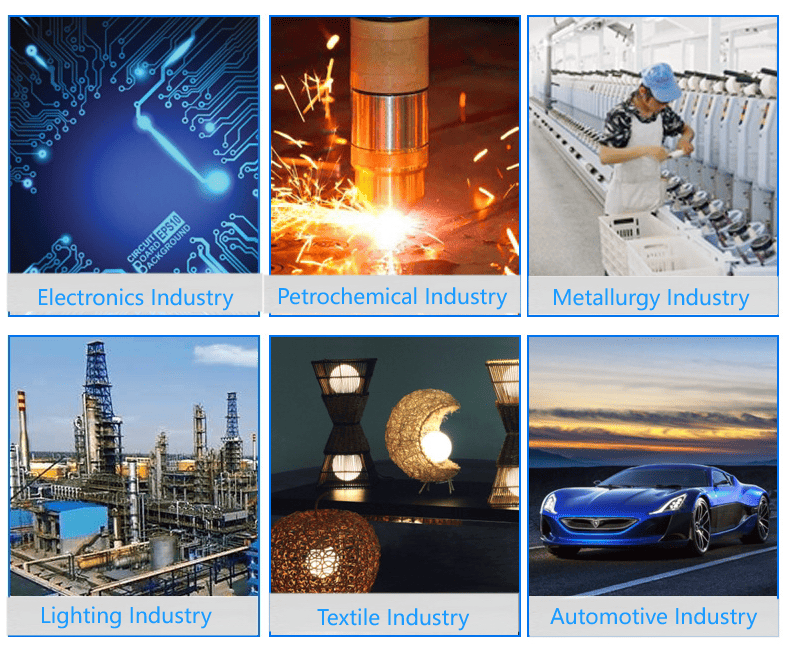
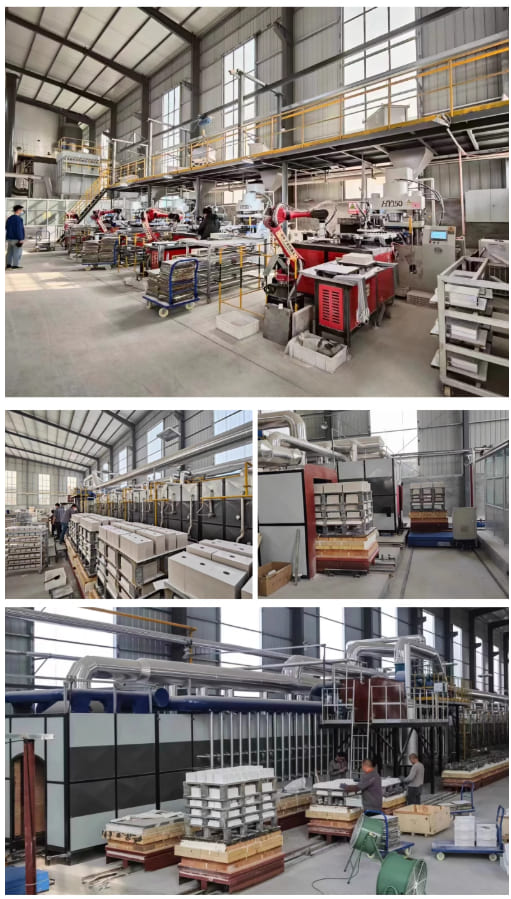
Advanced Ceramics founded on October 17, 2014, is a high-tech enterprise committed to the research and development, production, processing, sales and technical services of ceramic relative materials and products.. Since its establishment in 2014, the company has been committed to providing customers with the best products and services, and has become a leader in the industry through continuous technological innovation and strict quality management.
Our products includes but not limited to Silicon carbide ceramic products, Boron Carbide Ceramic Products, Boron Nitride Ceramic Products, Silicon Carbide Ceramic Products, Silicon Nitride Ceramic Products, Zirconium Dioxide Ceramic Products, Quartz Products, etc. Please feel free to contact us.
Payment Methods
T/T, Western Union, Paypal, Credit Card etc.
Shipment Methods
By air, by sea, by express, as customers request.
5 FAQs of High-Temperature Thermal Insulation Ceramic Fiber Blanket For Flue And Duct Linings
Ceramic fiber blankets are specially made insulation for very hot places. They are used inside flues and ducts. People often have questions about them. Here are five common ones.
What exactly is a ceramic fiber blanket? It is a flexible material made from alumina and silica fibers. Manufacturers spin these fibers into a blanket. This blanket handles extreme heat well. It is lightweight and strong too.
How hot can these blankets get? They work reliably at temperatures up to 2300°F (1260°C). Specific grades may handle more or less heat. Always check the manufacturer’s rating for your exact blanket. This rating is crucial for safety and performance.
How do you install this insulation? Workers cut the blanket to fit the duct or flue shape. They use special metal pins or washers to hold it securely against the metal surface. Sometimes a layer of high-temperature adhesive helps keep it in place. Proper installation prevents gaps.
Why pick ceramic fiber over other insulations? It withstands much higher temperatures than materials like fiberglass or mineral wool. It resists heat shock better too. This means it won’t crack easily when temperatures change fast. Its light weight also puts less stress on duct supports.
Where are these blankets typically used? You find them lining exhaust systems in factories. They insulate ducts carrying hot air in power plants. Furnace flues in metal processing plants use them. They are common anywhere very hot gases flow through pipes or ducts.
REQUEST A QUOTE
RELATED PRODUCTS
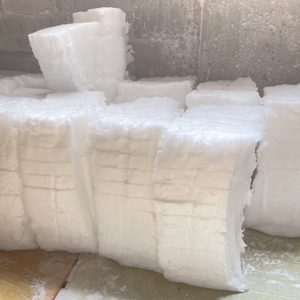
High-Temperature Oven Insulation, Ceramic Fiber Blanket, 610/1220 Mm Al2o3 + Sio2 For Better Oven Performance.
Custom High-Temperature Talc Al2o3 Alumina Ceramic Insulation Terminals, Ceramic Insulation Parts For Industrial Use

High-Temperature 1450°C Fireproof Ceramic Fiber Modules For Refractory Applications, Competitively d
1430°C Thermal Insulation, Zirconium-Containing Ceramic Fiber Hz Zirconium Aluminosilicate Board

High-Temperature-Resistant 1260cc Ceramic Fiber Fabric With S.S. Thread Reinforcement
