Discover Premium Ceramic Products | Durability & Elegance United | Advanced Ceramics


PRODUCT PARAMETERS
Description
Overview of Hot-ing Metallurgical Refractory Ceramic Fiber Fabrics, High-Temperature Ceramic Fiber Textiles
Explore our comprehensive range of high-performance Hot-ing Metallurgical Refractory Ceramic Fiber Fabrics, High-Temperature Ceramic Fiber Textiles designed for exceptional thermal insulation and resistance in extreme temperature environments.
Features of Hot-ing Metallurgical Refractory Ceramic Fiber Fabrics, High-Temperature Ceramic Fiber Textiles
- High-Temperature Stability: Withstand temperatures up to 1600°C and above.
- Low Thermal Conductivity: Provide superior energy efficiency and heat conservation.
- Thermal Shock Resistance: Excellent resilience against rapid temperature changes.
- Lightweight & Flexible: Easy to install in various industrial applications.
Specifications of Hot-ing Metallurgical Refractory Ceramic Fiber Fabrics, High-Temperature Ceramic Fiber Textiles
Hot-ing metallurgical refractory ceramic fiber fabrics are important for high warm. They take care of severe temperature levels well. These materials stand up to warm up to 2300 ° F. Often they go even greater. They are made from alumina-silica ceramic fibers. These fibers are spun right into yarns. After that the threads obtain woven right into cloth. This develops a versatile fabric. It remains solid under intense heat.
The material can be found in different densities. Typical options are 1/16 inch, 1/8 inch, and 1/4 inch. You choose the thickness based on your needs. Thicker textile provides more insulation. It could be much heavier too. The weight is gauged per square yard. Weights usually range from 25 ounces to 45 ounces. Heavier fabrics are tougher. They manage even more wear.
Tensile stamina is necessary. It shows how much drawing pressure the textile can take. Higher tensile strength means a much longer life. It won’t tear or tear as quickly. These materials are normally fireproof. They will not melt. They don’t thaw either. This makes them extremely safe. They launch very little smoke. This is good for air high quality.
These fabrics are made use of in several hot locations. They line heating systems and kilns. They safeguard employees as heat shields. They cover pipes lugging warm gases. They secure voids in high temperature equipment. The fabric is easy to reduce. You can shape it for various tasks. It gives trustworthy insulation. It conserves energy. It shields beneficial machinery. Choose the ideal grade for your application.
Applications of Hot-ing Metallurgical Refractory Ceramic Fiber Fabrics, High-Temperature Ceramic Fiber Textiles
Hot-ing metallurgical refractory ceramic fiber textiles handle extreme warmth. These fabrics are crucial in numerous markets. They resist really high temperatures. This makes them excellent for requiring applications.
One essential usage is lining commercial heating systems. The fabrics shield heater wall surfaces well. This maintains heat inside the heater. Energy performance boosts dramatically. Fuel costs decrease. Furnace cellular linings last much longer too. Workers change linings much less commonly. This saves cash and time.
These ceramic fiber materials work as high-temperature gaskets. They secure heater doors properly. They secure kiln openings as well. Hot gases remain included. This secures the surrounding area. Safety improves for every person nearby. The gaskets withstand consistent warm direct exposure. They preserve a dependable seal.
One more vital application is growth joint covers. Steel structures broaden with warm. They agreement when cooling. These fabrics cover the joints. They soak up motion conveniently. The material cover stops heat loss. It additionally stops damaging warm gases from leaving. Devices life extends as a result of this protection.
Thermal insulation blankets are made from these fabrics. Workers cover pipes and vessels. This minimizes surface area heat considerably. Touching warm surfaces comes to be more secure. Power loss decreases significantly. Plant temperature levels remain even more comfy. Employees value the cooler setting.
These fabrics safeguard workers directly. Safety garments utilizes ceramic fiber textiles. Fire distance suits include them. Foundry workers wear safety equipment. The material guards versus intense radiant heat. Employees do tasks more securely. The danger of burns decreases.
Hot-ing metallurgical fabrics insulate ladles and tundishes. These hold liquified steel. Keeping the steel fluid is important. Heat loss need to be decreased. The insulation offered is excellent. Steel stays at the appropriate putting temperature level. Casting top quality enhances continually.
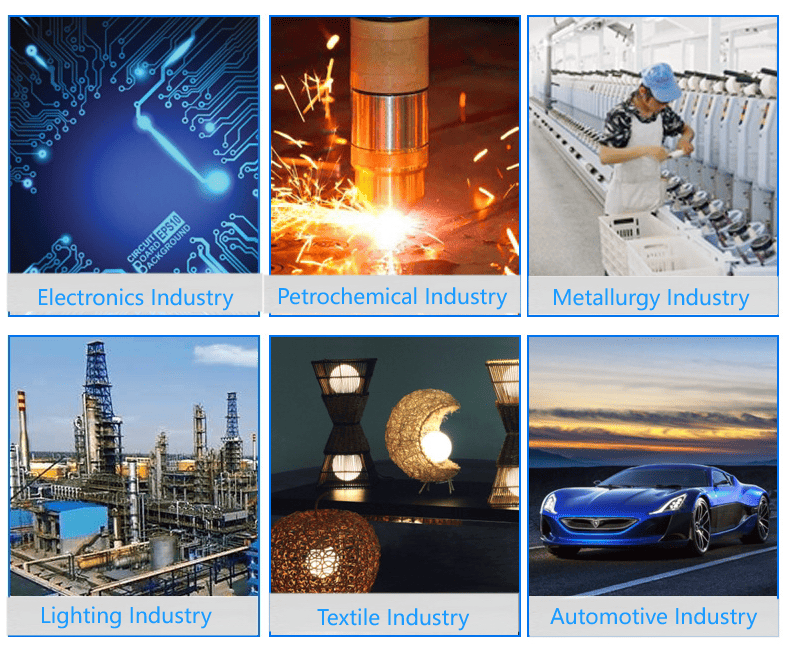
Company Introduction
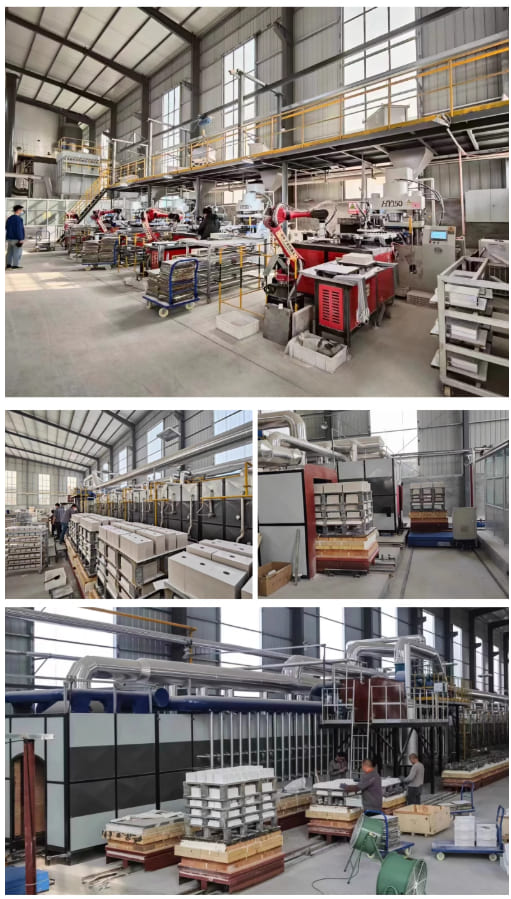
Advanced Ceramics founded on October 17, 2014, is a high-tech enterprise committed to the research and development, production, processing, sales and technical services of ceramic relative materials and products.. Since its establishment in 2014, the company has been committed to providing customers with the best products and services, and has become a leader in the industry through continuous technological innovation and strict quality management.
Our products includes but not limited to Silicon carbide ceramic products, Boron Carbide Ceramic Products, Boron Nitride Ceramic Products, Silicon Carbide Ceramic Products, Silicon Nitride Ceramic Products, Zirconium Dioxide Ceramic Products, Quartz Products, etc. Please feel free to contact us.
Payment Methods
T/T, Western Union, Paypal, Credit Card etc.
Shipment Methods
By air, by sea, by express, as customers request.
5 FAQs of Hot-ing Metallurgical Refractory Ceramic Fiber Fabrics, High-Temperature Ceramic Fiber Textiles
What’s the highest temperature ceramic fiber fabrics can handle?
These fabrics handle extreme heat. Ceramic fiber textiles withstand temperatures up to 2300°F (1260°C). Some special types go even higher. They insulate well at these high temperatures. This makes them good for lining furnaces or kilns.
Where are these fabrics used?
People use them in many hot industrial places. They are common in furnace linings and kiln seals. They cover pipes carrying very hot gases. They act as fire barriers in buildings. They shield workers from heat near ovens. They help save energy by keeping heat in.
Are ceramic fiber fabrics safe?
Modern fabrics are much safer. Older types contained fibers linked to health risks. New products are made differently. They use materials classified as safe. Always check the safety data sheet for the specific fabric. Wear protective gear when handling or cutting it. Follow the maker’s safety instructions.
How long do these fabrics last?
They last a long time if used right. Their lifespan depends on the heat level. Constant extreme heat shortens their life. Chemical exposure or physical wear can damage them. Proper installation helps them last longer. Check them regularly for damage. Replace damaged sections quickly.
How do you install ceramic fiber fabric?
Installation is straightforward. Cut the fabric to the needed size and shape. Use sharp tools for clean cuts. Secure the fabric firmly in place. Use high-temperature stitching or special fasteners. Avoid gaps where heat can escape. Ensure good contact with the surface. Follow the manufacturer’s installation guide closely.
REQUEST A QUOTE
RELATED PRODUCTS
High-Temperature Ceramic Fiber Products

Factory Direct Supply Of Thermal Insulation Ceramic Fiber Blankets

2mm/3mm Thickness Ceramic Fiber Cloth With S.S. Cord

Ceramic Fiber Yarn, Braided Square Rope, 3mm-50mm Thickness
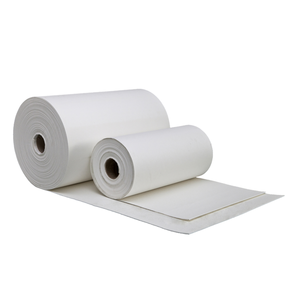
1800°C Ceramic Fiber Insulation Board, Ceramic Fiber Products For Refractory And Heat-Resistant Applications.
