Discover Premium Ceramic Products | Durability & Elegance United | Advanced Ceramics


PRODUCT PARAMETERS
Description
Overview of Quartz Fiber Wool, High-Temperature Ceramic Fiber, Low-Dielectric, High-Permeability Wave Glass Refractory Products.
Explore our comprehensive range of high-performance Quartz Fiber Wool, High-Temperature Ceramic Fiber, Low-Dielectric, High-Permeability Wave Glass Refractory Products. designed for exceptional thermal insulation and resistance in extreme temperature environments.
Features of Quartz Fiber Wool, High-Temperature Ceramic Fiber, Low-Dielectric, High-Permeability Wave Glass Refractory Products.
- High-Temperature Stability: Withstand temperatures up to 1600°C and above.
- Low Thermal Conductivity: Provide superior energy efficiency and heat conservation.
- Thermal Shock Resistance: Excellent resilience against rapid temperature changes.
- Lightweight & Flexible: Easy to install in various industrial applications.
Specifications of Quartz Fiber Wool, High-Temperature Ceramic Fiber, Low-Dielectric, High-Permeability Wave Glass Refractory Products.
Quartz fiber wool handles extreme heat well. It insulates reliably at very high temperatures. This material withstands temperatures up to 1200°C continuously. It offers excellent thermal stability. Quartz fiber wool doesn’t melt easily. It resists sudden temperature changes effectively. This prevents cracking or damage. You find it in furnace linings and kiln seals. It protects sensitive equipment from intense heat.
High-temperature ceramic fiber complements quartz fiber. It provides outstanding insulation too. Ceramic fiber works in environments exceeding 1400°C. It has low thermal conductivity. This means heat doesn’t pass through it easily. You save significant energy. Ceramic fiber products are lightweight. They resist chemical attack effectively. Furnaces and boilers use it extensively. Industrial heaters rely on its durability.
Low-dielectric properties are crucial for modern electronics. These materials interfere minimally with electrical signals. They possess very low electrical conductivity. Signal loss stays minimal. This is vital for radar systems and antenna housings. Communication equipment benefits greatly. High-frequency applications demand this trait. Performance remains stable and predictable.
High-permeability wave glass refractory products allow controlled flow. Gases or liquids pass through them selectively. This is essential for filtration systems. They maintain structural integrity under pressure. Chemical processing plants use these filters. High-temperature exhaust systems need reliable filtration. They separate particulates efficiently. Engineered permeability ensures consistent operation.
Applications of Quartz Fiber Wool, High-Temperature Ceramic Fiber, Low-Dielectric, High-Permeability Wave Glass Refractory Products.
Quartz fiber wool delivers exceptional performance in extreme heat situations. It handles intense heat extremely well. This material stays stable and reliable at very high temperatures. Its purity means it contains almost no impurities. This purity is crucial for sensitive applications. Quartz fiber wool is perfect for high-temperature insulation. You find it lining industrial furnaces effectively. It protects laboratory equipment reliably. It insulates aerospace components safely. This material resists thermal shock impressively. It maintains its strength under repeated heating cycles.
High-temperature ceramic fiber products offer outstanding thermal insulation. They excel in demanding industrial settings. These materials withstand severe heat consistently. They are lightweight and very energy efficient. Their low thermal conductivity saves significant energy. Ceruitic fiber is used widely in furnace linings successfully. It serves well in kiln insulation. It performs reliably in power generation equipment. Fire protection systems depend on its stability. Its flexibility allows easy installation. It adapts to complex shapes readily.
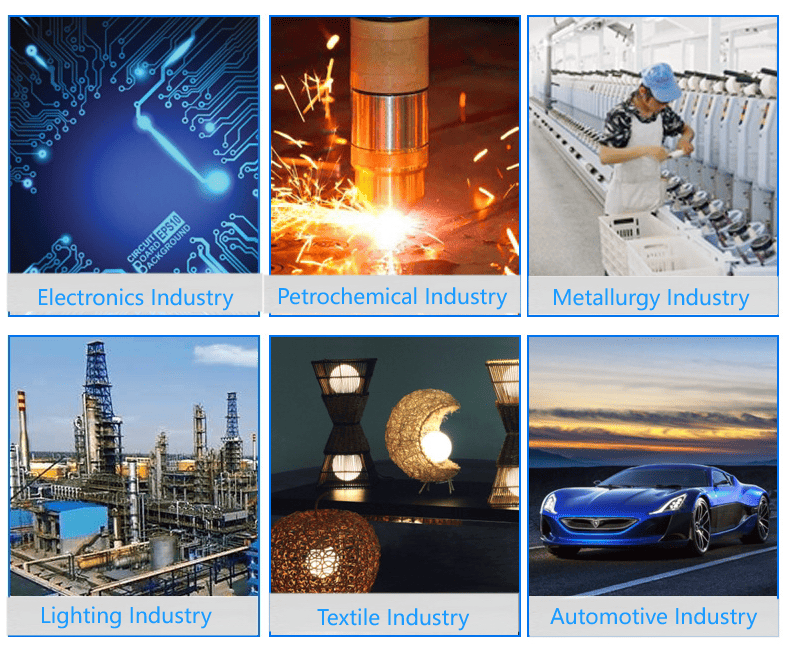
Low-dielectric, high-permeability wave glass refractory products serve dual purposes. They provide excellent thermal insulation. They also allow radio waves to pass through freely. This unique combination is vital for modern technology. These products are essential in antenna housings. They protect sensitive electronics from heat effectively. They do not block critical communication signals. Radar systems use them extensively. Telecommunications equipment relies on their properties. They are found in specialized aerospace applications. They insulate heat without disrupting signals. This makes them indispensable for advanced electronics.
Company Introduction
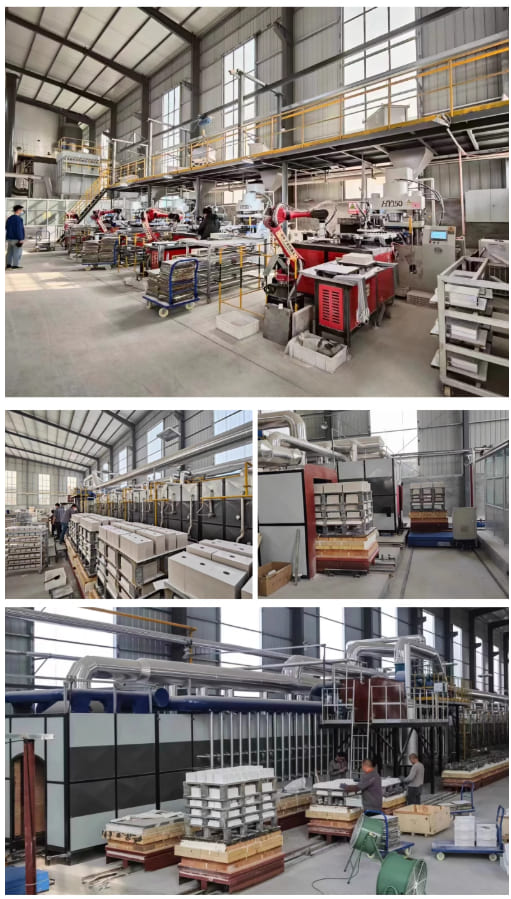
Advanced Ceramics founded on October 17, 2014, is a high-tech enterprise committed to the research and development, production, processing, sales and technical services of ceramic relative materials and products.. Since its establishment in 2014, the company has been committed to providing customers with the best products and services, and has become a leader in the industry through continuous technological innovation and strict quality management.
Our products includes but not limited to Silicon carbide ceramic products, Boron Carbide Ceramic Products, Boron Nitride Ceramic Products, Silicon Carbide Ceramic Products, Silicon Nitride Ceramic Products, Zirconium Dioxide Ceramic Products, Quartz Products, etc. Please feel free to contact us.
Payment Methods
T/T, Western Union, Paypal, Credit Card etc.
Shipment Methods
By air, by sea, by express, as customers request.
5 FAQs of Quartz Fiber Wool, High-Temperature Ceramic Fiber, Low-Dielectric, High-Permeability Wave Glass Refractory Products.
What exactly are these quartz and ceramic fiber products?
They are special insulation materials. They handle extreme heat very well. Quartz fiber wool comes from pure silica. High-temperature ceramic fiber uses alumina and silica. Both types work as lightweight, flexible blankets or boards. They keep heat in effectively.
How hot can these materials actually get?
Their temperature limits differ. Quartz fiber wool handles continuous heat around 2200°F (1200°C). High-temperature ceramic fiber withstands even more. It manages heat up to 2300°F (1260°C) or higher. This depends on the specific ceramic fiber grade. They are made for intense furnace environments.
Where do people mainly use these products?
They go into many high-heat industrial jobs. Common uses include furnace linings and kiln insulation. They work for heat shields in aerospace. They fit in power generation equipment. They are also good for laboratory ovens. Any place needing strong, lightweight heat blocking needs them.
What makes the low-dielectric and high-permeability versions special?
These versions add extra features. The low-dielectric type resists electrical interference well. It is important for radar systems and antenna covers. High-permeability wave glass lets radio waves pass through easily. This is crucial for communication devices near heat sources. Both types insulate thermally without blocking signals.
Is handling these fibers safe?
Care is needed. Fresh fibers can feel irritating. They are like tiny glass splinters. Always wear gloves and a good mask. Use safety glasses too. Once installed and heated, the fibers change. They become less dusty. Handle new material carefully. Follow the supplier’s safety instructions exactly.
REQUEST A QUOTE
RELATED PRODUCTS

High-Quality Heat-Resistant Insulation Ceramic Fiber Sheets For .

Ceramic Insulation Material. Fiber Insulated Rope, Alumina Fiber Rope
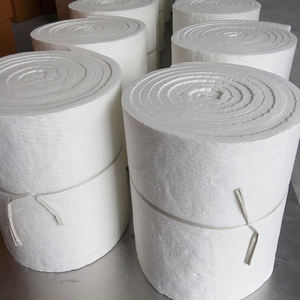
High-Temperature Ceramic Fiber 25mm 1260°C Insulation Ceramic Fiber Cotton Blanket

High-Temperature Fireproof And Heat-Insulating Ceramic Fiber Fabrics
Fire-Resistant Ceramic Fiber Modules For Thermal Insulation.
