Discover Premium Ceramic Products | Durability & Elegance United | Advanced Ceramics

PRODUCT PARAMETERS
Description
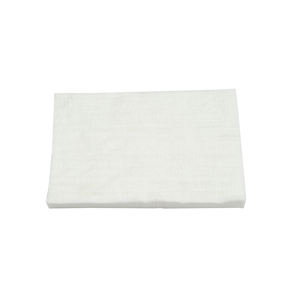
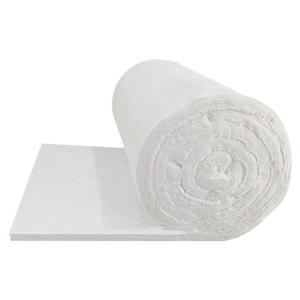
Overview of Sta 1430°C 1260°C Ceramic Fiber Blanket (96 Kg/M³, 128 Kg/M³)
Explore our comprehensive range of high-performance Sta 1430°C 1260°C Ceramic Fiber Blanket (96 Kg/M³, 128 Kg/M³) designed for exceptional thermal insulation and resistance in extreme temperature environments.
Features of Sta 1430°C 1260°C Ceramic Fiber Blanket (96 Kg/M³, 128 Kg/M³)
- High-Temperature Stability: Withstand temperatures up to 1600°C and above.
- Low Thermal Conductivity: Provide superior energy efficiency and heat conservation.
- Thermal Shock Resistance: Excellent resilience against rapid temperature changes.
- Lightweight & Flexible: Easy to install in various industrial applications.
Specifications of Sta 1430°C 1260°C Ceramic Fiber Blanket (96 Kg/M³, 128 Kg/M³)
These ceramic fiber blankets manage severe heat. They withstand temperature levels approximately 1430 ° C. Constant usage is risk-free at 1260 ° C. 2 densities are readily available: 96 kilograms per cubic meter and 128 kgs per cubic meter.
The lighter 96kg/m two blanket supplies outstanding thermal insulation. Warm doesn’t pass through it conveniently. This conserves significant power. It is likewise easier to take care of and mount. Its lower weight makes cutting and forming less complex. It fits well around complex equipment shapes.
The denser 128kg/m two blanket gives remarkable strength. It resists damage from gas streams or physical get in touch with better. This density supplies higher resistance to compression. It holds its shape well under stress. It provides a tougher protecting layer. This benefits demanding applications.
Both blankets are made from pure alumina-silica ceramic fibers. This material ensures high heat resistance. They are white and flexible. You can cut them with simple tools like scissors or blades. They mount swiftly in heating systems, kilns, central heating boilers, and various other warm tools.
These blankets develop reliable thermal obstacles. They lower warm loss substantially. This enhances process performance. Lower gas expenses are a major benefit. They likewise protect employees from high surface area temperature levels. Security enhances around hot equipment.
The coverings withstand most chemicals. They will not dissolve in water or oils. They supply excellent noise absorption also. Noise levels near equipment reduction. Their low warm storage space means they heat up and cool quickly. This is reliable for cyclic operations.
Pick the 96kg/m three thickness for easier handling and exceptional insulation. Select the 128kg/m ³ density for tougher conditions requiring a lot more toughness. Both give trustworthy, high-temperature defense. They are crucial for conserving energy and shielding possessions. Cutting them is simple.
Applications of Sta 1430°C 1260°C Ceramic Fiber Blanket (96 Kg/M³, 128 Kg/M³)
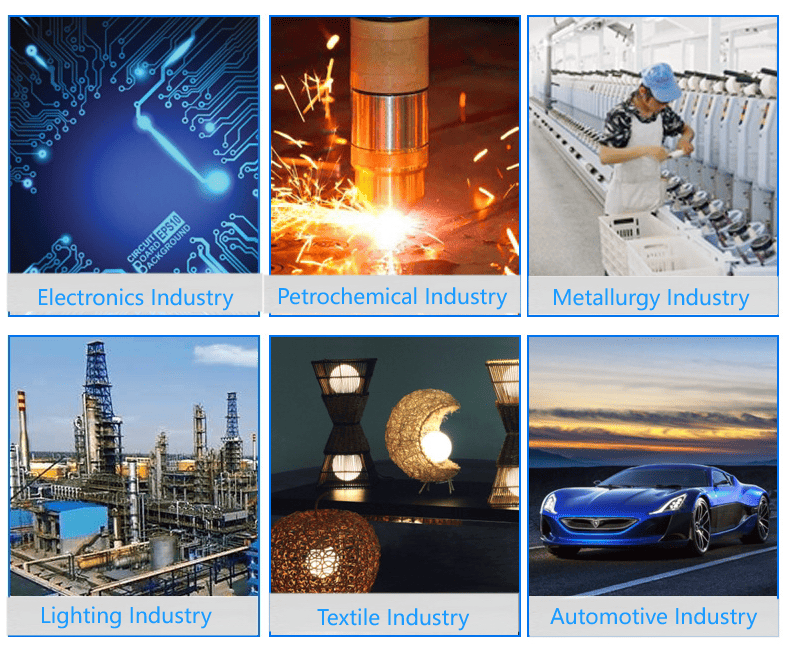
Sta 1430 ° C and 1260 ° C ceramic fiber blankets are necessary insulation products. They manage extreme heat. Many markets count on them. The blankets can be found in 2 conventional thickness: 96 kg/m two and 128 kg/m five. Each thickness serves different demands.
These coverings excel in high-temperature settings. Utilize them for heater cellular linings and kiln cellular linings. They benefit central heating boiler insulation and exhaust system insulation. They secure tools from extreme warm. They assist save power effectively. Their low heat storage space is a major benefit. This indicates quicker heating and cooling cycles. Gas costs go down.
The 96 kg/m five blanket is the lighter choice. It is softer and more versatile. This makes it less complicated to handle. It installs well on complicated forms and contours. It fits pipelines and uneven surfaces easily. It gives strong thermal insulation. It is cost-effective for several general usages. Workers appreciate its ease of reducing and forming.
The 128 kg/m ³ covering is denser and heavier. It offers higher stamina and toughness. It resists disintegration from high-velocity gases better. It stands up to mechanical abuse better. This density is optimal for tougher applications. Believe high-wear locations in heating systems. Think demanding atmospheres like factories. It offers improved thermal performance under stress. It holds its form well over time.
Both densities are chemically steady. They resist most chemicals. They offer outstanding thermal shock resistance. Unexpected temperature modifications do not damage them. They are very easy to mount. Cutting and suitable need simple tools. They develop efficient warmth barriers. They enhance safety and security around hot devices. Employees stay much safer.
Company Introduction
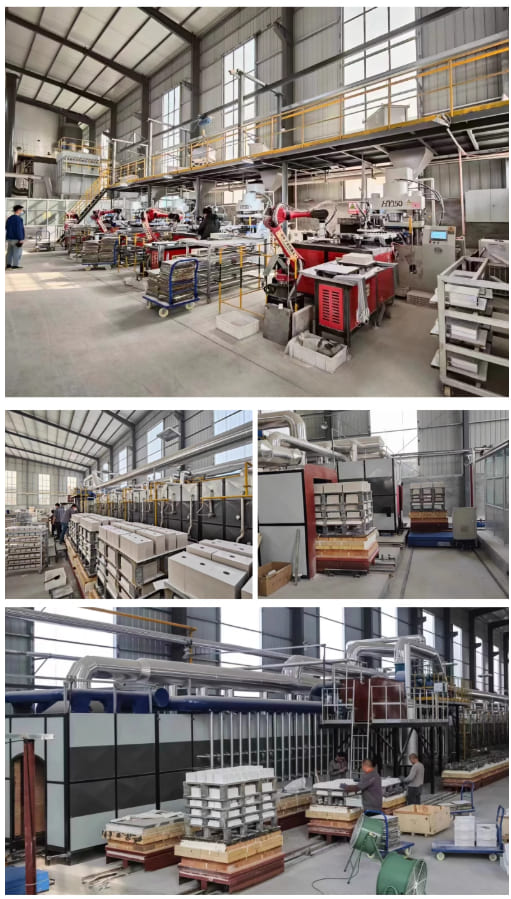
Advanced Ceramics founded on October 17, 2014, is a high-tech enterprise committed to the research and development, production, processing, sales and technical services of ceramic relative materials and products.. Since its establishment in 2014, the company has been committed to providing customers with the best products and services, and has become a leader in the industry through continuous technological innovation and strict quality management.
Our products includes but not limited to Silicon carbide ceramic products, Boron Carbide Ceramic Products, Boron Nitride Ceramic Products, Silicon Carbide Ceramic Products, Silicon Nitride Ceramic Products, Zirconium Dioxide Ceramic Products, Quartz Products, etc. Please feel free to contact us.
Payment Methods
T/T, Western Union, Paypal, Credit Card etc.
Shipment Methods
By air, by sea, by express, as customers request.
5 FAQs of Sta 1430°C 1260°C Ceramic Fiber Blanket (96 Kg/M³, 128 Kg/M³)
Sta 1260°C & 1430°C Ceramic Fiber Blanket FAQs
What do the 1260°C and 1430°C temperature ratings mean?
These numbers show the blanket’s maximum working temperature. The 1260°C blanket handles continuous heat up to 1260 degrees Celsius. The 1430°C blanket handles continuous heat up to 1430 degrees Celsius. Choose based on your furnace or kiln’s operating temperature. Exceeding the rating damages the blanket.
How does density (96 Kg/M³ vs. 128 Kg/M³) affect performance?
Denser blankets (128 Kg/M³) resist physical wear better. They handle faster gas flow and higher wind speeds well. Less dense blankets (96 Kg/M³) are slightly better at stopping heat transfer. They are also easier to cut and shape. Pick 128 Kg/M³ for tougher conditions. Pick 96 Kg/M³ for standard insulation where cutting ease matters.
Is this blanket easy to install?
Yes, installation is straightforward. The blanket is flexible. You can cut it with sharp knives or shears. You shape it to fit curves, walls, or pipes easily. Secure it with high-temperature pins, washers, or ceramic adhesive. Wear gloves and a mask. The fibers can irritate skin and lungs.
Is special safety gear needed during handling?
Absolutely. Always wear protective gear. Use gloves, long sleeves, safety glasses, and a dust mask. Ceramic fibers are small and can irritate your skin, eyes, and lungs. Avoid breathing in dust. Work in a well-ventilated area. Wash exposed skin thoroughly after handling.
What applications suit these ceramic fiber blankets best?
They are ideal for high-temperature insulation. Common uses include lining furnaces and kilns. They insulate boilers and exhaust systems well. They work for expansion joints and heat shields. They are perfect for backing up firebricks. They are also used in foundries and power plants.
REQUEST A QUOTE
RELATED PRODUCTS

Heat-Resistant Insulation Material For Gaskets, Fireproof Ceramic Fiber Paper
Aluminum Silicate Ceramic Fiber Twisted Rope For Sealing Fillers, Round/Square Insulation
High-Temperature 1260°C Fire-Resistant Ceramic Fiber Insulation Blanket For Industrial Thermal Insulation Wool For Furnaces

A1-Grade Ceramic Fiber Tape, Non-Flammable Insulation Tape For Sealing.

Stainless Steel Wire Reinforced Ceramic Fiber Rope For Boiler, Furnace, And Casting Insulation.