Discover Premium Ceramic Products | Durability & Elegance United | Advanced Ceramics

PRODUCT PARAMETERS
Description
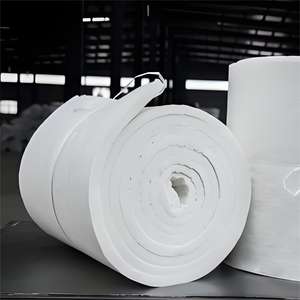
Overview of 1000C-1800C Lab and Industrial Furnace Refractory Material Ceramic Fiber Board s
Discover our robust selection of refractory materials and monolithic solutions, engineered to provide durable linings and structural integrity for high-temperature industrial processes.
Feature of 1000C-1800C Lab and Industrial Furnace Refractory Material Ceramic Fiber Board s
- Abrasion & Corrosion Resistance: Long-lasting performance in aggressive environments.
- High Mechanical Strength: Maintain structural stability under heavy loads and stress.
- Custom Formulations: Tailored castables, cements, and bricks for specific applications.
- Versatile Applications: Ideal for furnaces, kilns, incinerators, and reactors.
Specifications of 1000C-1800C Lab and Industrial Furnace Refractory Material Ceramic Fiber Board s
Ceramic fiber boards handle intense heat. They work in lab furnaces and big industrial ovens. These boards resist temperatures from 1000°C up to 1800°C. The exact maximum depends on the board grade. Higher temperature grades cost more. The boards are made mostly from alumina and silica fibers. Manufacturers bond these fibers together. This creates a strong, lightweight material. The boards feel rigid yet slightly soft to the touch. Their density is important. Common densities range from about 250 kg/m³ to 350 kg/m³. Denser boards are stronger. They resist physical damage better. Less dense boards offer superior insulation. They lose less heat. This saves energy. All grades have low thermal conductivity. Heat moves through them slowly. This keeps furnace exteriors cooler. It protects workers and equipment. Ceramic fiber boards have good thermal shock resistance. They withstand rapid temperature changes well. Sudden heating or cooling usually won’t crack them. They don’t melt easily either. The boards come in standard sizes. Typical thicknesses are 25mm or 50mm. Larger sheets are often available. You cut them to fit your furnace. Cutting requires simple tools. Installation is straightforward. You place the boards inside the furnace lining. Secure them firmly. They form a protective layer. This layer shields the furnace’s outer shell. It keeps heat inside where it belongs. These boards are versatile. People use them in many industries. Metal processing, glass making, and ceramics production rely on them. They are also common in heat treatment applications. Choose the right grade for your furnace temperature. Check your furnace manual first. Consider the maximum operating temperature needed. Think about the required physical strength. Decide on the best insulation level. These factors guide your selection.
Applications of 1000C-1800C Lab and Industrial Furnace Refractory Material Ceramic Fiber Board s
Ceramic fiber boards are special materials made for very hot places. They handle temperatures from 1000C up to 1800C easily. This makes them perfect for lab furnaces and big industrial furnaces. Their main job is to keep the heat inside the furnace. They are very good insulators. This saves a lot of energy. Less energy used means lower costs for running the furnace.
These boards are very light compared to old-fashioned brick linings. They are much easier to install. Workers can put them up faster. This cuts down on construction time and cost. The boards are also strong. They resist damage from thermal shock. Thermal shock happens when temperatures change quickly. The boards won’t crack or break easily. They stay stable even after many heating and cooling cycles.
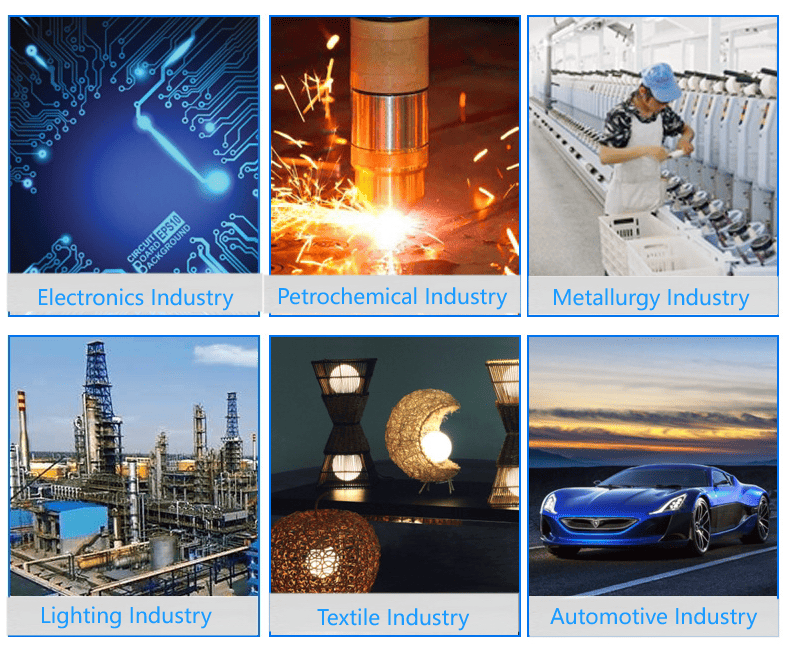
You find these boards lining furnace walls, roofs, and doors. They create the hot chamber where materials get processed. They are used behind the main firebrick layer too. This adds extra insulation. The boards work well in kilns for firing ceramics. They are common in heat treatment furnaces for metals. Glass manufacturing uses them too. They insulate pipes carrying hot gases. They are used in backup insulation for high temperature equipment.
The boards offer good chemical resistance. They don’t react badly with many furnace atmospheres. They have low thermal conductivity. This means heat doesn’t pass through them easily. They help furnaces reach high temperatures faster. Furnaces lined with these boards cool down quicker after use. This improves overall furnace efficiency.
Company Introduction
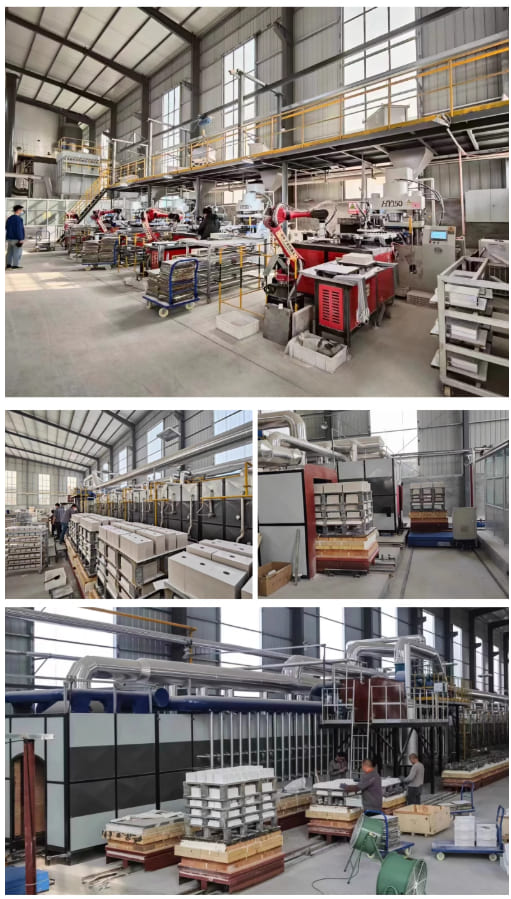
Advanced Ceramics founded on October 17, 2014, is a high-tech enterprise committed to the research and development, production, processing, sales and technical services of ceramic relative materials and products.. Since its establishment in 2014, the company has been committed to providing customers with the best products and services, and has become a leader in the industry through continuous technological innovation and strict quality management.
Our products includes but not limited to Silicon carbide ceramic products, Boron Carbide Ceramic Products, Boron Nitride Ceramic Products, Silicon Carbide Ceramic Products, Silicon Nitride Ceramic Products, Zirconium Dioxide Ceramic Products, Quartz Products, etc. Please feel free to contact us.
Payment Methods
T/T, Western Union, Paypal, Credit Card etc.
Shipment Methods
By air, by sea, by express, as customers request.
5 FAQs of 1000C-1800C Lab and Industrial Furnace Refractory Material Ceramic Fiber Board s
What temperature can ceramic fiber board handle?
Ceramic fiber boards work well from 1000 degrees Celsius up to 1800 degrees Celsius. This wide range makes them suitable for many hot applications. They keep their strength and insulation properties even at these extreme temperatures.
Where are these fiber boards used?
These boards are mainly for lab furnaces and industrial furnaces. You find them lining kilns and ovens too. They serve as insulation inside these high-heat environments. They protect the outer furnace structure from the intense inner heat.
How do you install ceramic fiber board?
Installing the boards is straightforward. Cut the board to fit your furnace or kiln shape. You can cut it with common tools like saws. Fit the pieces tightly together inside the furnace lining. Secure them firmly using pins or special adhesives made for high heat. A tight fit prevents heat leaks.
Why pick ceramic fiber board over other materials?
Ceramic fiber boards offer strong insulation. They stop heat from escaping the furnace well. This saves energy and money. They also resist sudden temperature changes better than many bricks. The boards are lighter than traditional firebricks too. This makes furnace building and repair easier.
How do you maintain ceramic fiber board linings?
Regular checks are important. Look at the boards during furnace cool-down periods. Check for any cracks or signs of damage. Replace damaged sections quickly. Keeping the boards in good shape ensures the furnace runs efficiently. It also extends the furnace lining’s overall life.
REQUEST A QUOTE
RELATED PRODUCTS

Kiln Contains Zirconium Refractory Ceramic Fiber Thermal Insulation Cotton Thermal Insulation Materials For .

Whole Ceramic Fiber Blanket Factory Direct Customizable For Various Refractory Scenarios

Mullite Refractory Ceramic Fiber Board for High Temperature Furnace Oven Stove Ceramic Fiber Boards Heat Insulation
‘s Extra 1250 Mesh Calcined Clay Powder Premium Industrial Ceramic Raw Material For Paper Refractory

High Quality White Fused Alumina Powder Sand Mesh Grain Refractory Material Size mm Mesh
