Discover Premium Ceramic Products | Durability & Elegance United | Advanced Ceramics


PRODUCT PARAMETERS
Description
Overview of Alumina Ceramic Roller For Tile Kiln Furnace High Temperature Heat Resistant Refractory
Discover our robust selection of refractory materials and monolithic solutions, engineered to provide durable linings and structural integrity for high-temperature industrial processes.
Feature of Alumina Ceramic Roller For Tile Kiln Furnace High Temperature Heat Resistant Refractory
- Abrasion & Corrosion Resistance: Long-lasting performance in aggressive environments.
- High Mechanical Strength: Maintain structural stability under heavy loads and stress.
- Custom Formulations: Tailored castables, cements, and bricks for specific applications.
- Versatile Applications: Ideal for furnaces, kilns, incinerators, and reactors.
Specifications of Alumina Ceramic Roller For Tile Kiln Furnace High Temperature Heat Resistant Refractory
Alumina ceramic rollers are vital for tile kiln furnaces. They handle the intense heat inside kilns. These rollers support tiles during firing. They move tiles through high temperature zones. The rollers must not fail under heat stress.
These rollers are made mostly from alumina. Alumina is a tough ceramic material. It offers exceptional heat resistance. The rollers withstand temperatures over 1600°C easily. They keep their shape and strength at these extreme levels. This prevents bending or breaking inside the kiln. Downtime is reduced significantly.
High purity alumina provides excellent chemical stability. The rollers resist reactions with kiln gases and tile glazes. This resistance prevents contamination of the tiles. It also stops the rollers from degrading prematurely. The rollers last much longer. This saves money on replacements.
The material possesses great mechanical strength. It supports heavy tile loads reliably. The rollers resist wear and abrasion over time. They maintain a smooth rolling surface. This ensures tiles move consistently through the kiln. Production flow stays smooth.
The rollers feature a very fine surface finish. This minimizes contact friction with the tiles. It prevents scratches or marks on the tile surfaces. Tiles come out looking perfect. Good surface quality also helps the rollers run smoothly. Bearings last longer too.
Applications of Alumina Ceramic Roller For Tile Kiln Furnace High Temperature Heat Resistant Refractory
Alumina ceramic rollers are vital inside tile kilns. They carry tile through the furnace during firing. The furnace gets very hot. Normal rollers cannot handle this heat. They break or wear out fast. Alumina ceramic rollers are different. They are made from a special material. This material withstands extreme temperatures easily. It stays strong even above 1500 degrees Celsius. This is essential for making tiles.
These rollers are very hard. They resist scratching and wear much better than metal rollers. This means they last longer. Tile factories need rollers that last. Changing rollers often stops production. Downtime costs money. Alumina rollers reduce this problem significantly. They keep the kiln running smoothly for longer periods.
Another big advantage is thermal shock resistance. Kiln temperatures change quickly. Rollers heat up and cool down fast. Many materials crack under this stress. Alumina ceramic handles these rapid changes well. It does not break easily from temperature swings. This reliability is crucial for consistent tile quality.
The rollers also have a smooth surface. This helps tiles glide through the kiln. Tiles do not get scratched or marked. The surface stays smooth over time. It does not degrade quickly. This ensures tiles come out looking perfect every time.
Alumina ceramic rollers resist chemical corrosion too. Firing tiles releases gases. These gases can attack some roller materials. Alumina ceramic is inert. It does not react with these kiln atmospheres. It stays intact and functional. Tile manufacturers choose alumina rollers for performance. They offer high temperature capability. They provide excellent wear resistance. They ensure reliable kiln operation. This leads to better tile production and lower costs.
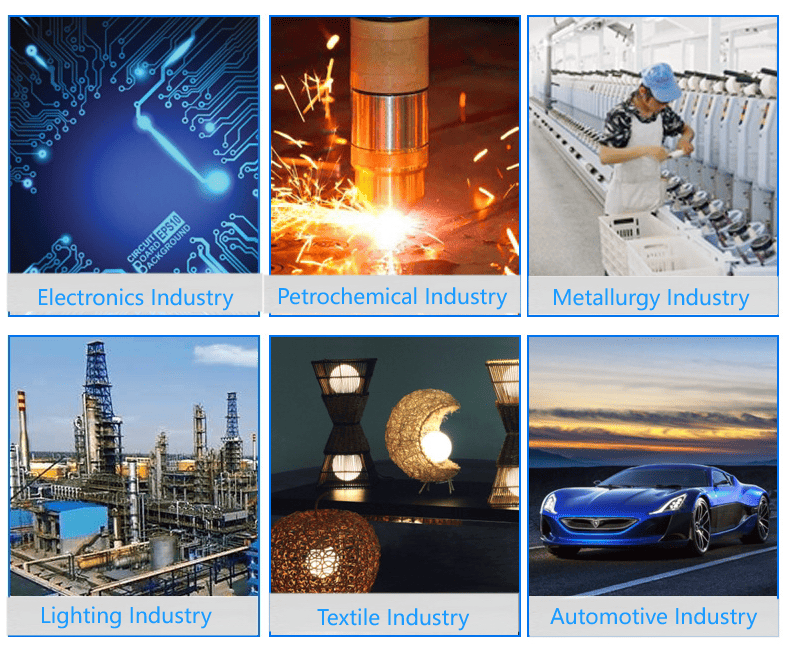
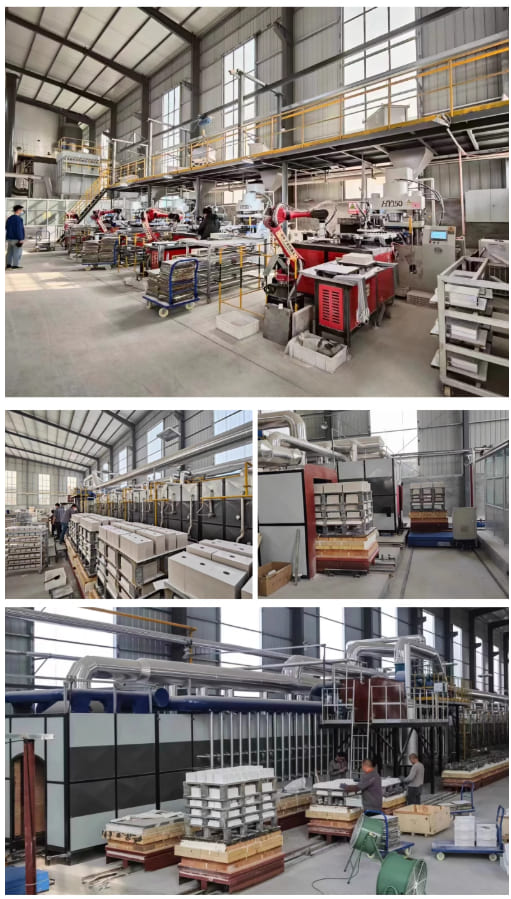
Company Introduction
Advanced Ceramics founded on October 17, 2014, is a high-tech enterprise committed to the research and development, production, processing, sales and technical services of ceramic relative materials and products.. Since its establishment in 2014, the company has been committed to providing customers with the best products and services, and has become a leader in the industry through continuous technological innovation and strict quality management.
Our products includes but not limited to Silicon carbide ceramic products, Boron Carbide Ceramic Products, Boron Nitride Ceramic Products, Silicon Carbide Ceramic Products, Silicon Nitride Ceramic Products, Zirconium Dioxide Ceramic Products, Quartz Products, etc. Please feel free to contact us.
Payment Methods
T/T, Western Union, Paypal, Credit Card etc.
Shipment Methods
By air, by sea, by express, as customers request.
5 FAQs of Alumina Ceramic Roller For Tile Kiln Furnace High Temperature Heat Resistant Refractory
Alumina ceramic rollers are essential components inside tile kilns. They support and move tiles during the firing process. Here are five common questions about them.
What are alumina ceramic rollers? They are cylindrical tubes. Made from high-quality alumina, they withstand intense heat inside kilns. Their job is to carry tiles through different firing zones smoothly.
Why alumina? Alumina is a special ceramic material. It handles very high temperatures well. It doesn’t melt or break easily under heat stress. Alumina also resists wear and tear over time. This makes it reliable for kiln use.
How hot can these rollers handle? They work reliably in temperatures reaching 1800°C. Some specific grades might go even higher. This is much hotter than metal rollers can survive. Their heat resistance is crucial for tile production.
How long do they last? These rollers typically last much longer than metal alternatives. Their lifespan ranges from several months to over a year. Actual life depends on kiln conditions and operating temperatures. Longer life means less downtime and lower costs.
Where are they used? You find them primarily in roller hearth kilns firing ceramic tiles. They support the tiles from raw green state through glazing and final firing. They are also used in other high-temperature industrial furnaces needing strong, heat-resistant parts.
REQUEST A QUOTE
RELATED PRODUCTS

Hot Fire Clay Powder Calcined in Refractory for Ceramic
Industrial Furnace Kiln Aluminium Silicate Composition Heat Insulation Refractory 1600 Degrees Thermal Ceramic Fiber Board
Sic Refractory Plates For Kilns

1800℃ Refractory Ceramic Fiber Board For Heat Preservation In Steel Industry
1000-1600 C Fire Resistant Refractory Thick 3~200 Mm Ceramic Fiber Board
