Discover Premium Ceramic Products | Durability & Elegance United | Advanced Ceramics

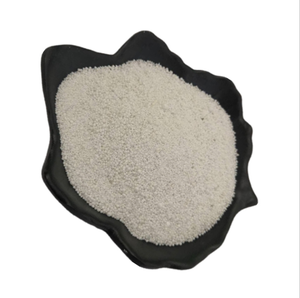
PRODUCT PARAMETERS
Description
Overview of High Temperature Resistance Alumina Refractory Brick for Industry Furnace
Discover our robust selection of refractory materials and monolithic solutions, engineered to provide durable linings and structural integrity for high-temperature industrial processes.
Feature of High Temperature Resistance Alumina Refractory Brick for Industry Furnace
- Abrasion & Corrosion Resistance: Long-lasting performance in aggressive environments.
- High Mechanical Strength: Maintain structural stability under heavy loads and stress.
- Custom Formulations: Tailored castables, cements, and bricks for specific applications.
- Versatile Applications: Ideal for furnaces, kilns, incinerators, and reactors.
Specifications of High Temperature Resistance Alumina Refractory Brick for Industry Furnace
Alumina refractory bricks deal with extreme heat in commercial heating systems. These bricks are developed tough. They have a great deal of alumina, normally 75% or even more. High alumina implies terrific resistance to extreme warm. This makes them ideal for furnace linings. The blocks sustain temperature levels well over 1700 ° C. They remain solid even under these conditions.
Density issues. These blocks are dense. High density provides great resistance to damage. It additionally helps block warm transfer. This enhances furnace efficiency. Compressive stamina is essential. These bricks endure hefty tons. Heavy loads occur inside warm furnaces. The blocks maintain their form. They do not fall apart under pressure.
Refractoriness Under Load (RUL) is critical. RUL shows how well the brick supports weight at high temperatures. Alumina bricks have excellent RUL values. They remain stable. They resist warping under heating system tons. Thermal shock resistance is one more bottom line. Furnace temperatures change fast. Bricks warm up and cool down rapidly. Excellent thermal shock resistance prevents splitting. The blocks make it through fast temperature swings.
Chemical stability is vital. Furnace environments contain destructive gases and slags. Alumina blocks stand up to chemical attack. They do not respond easily with numerous substances. This makes certain a much longer service life. The blocks safeguard the heating system framework. They provide trustworthy efficiency. Industries need dependable heating system linings. These alumina blocks provide that reliability. They use durable security against extreme heat.
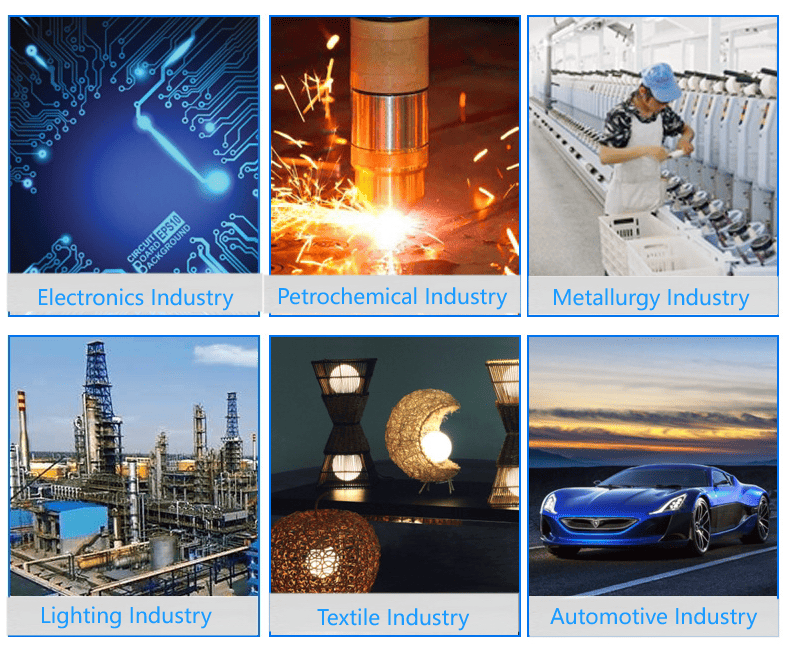
Applications of High Temperature Resistance Alumina Refractory Brick for Industry Furnace
High temperature resistance alumina refractory blocks tackle severe warmth challenges in commercial heating systems. These bricks contain a high quantity of alumina, generally over 75%. This high alumina content gives them outstanding resistance to extremely high temperatures, usually surpassing 1770 ° C. People use them where common products would certainly melt or damage down swiftly.
Steelmaking depends greatly on these bricks. They line steel ladles and tundishes. The blocks stand up to the intense heat of molten steel. They likewise withstand the harsh results of liquid slag. This defense is essential for smooth steel manufacturing. Furnaces for melting non-ferrous metals like copper or aluminum additionally depend on these blocks. They handle the heat and the chemical attack from molten steels effectively.
The concrete industry utilizes these bricks in essential locations of rotating kilns. The burning zone experiences the greatest temperatures throughout clinker production. Alumina blocks survive this harsh environment. They resist the unpleasant raw dish and hot clinker. This durability maintains the kiln running longer. Glass storage tank furnaces profit also. Alumina bricks line the superstructure over the molten glass bath. They endure the extreme radiant heat and harsh vapors launched throughout melting.
Petrochemical and chemical processing furnaces face demanding conditions. Alumina bricks are picked for lining reformers, biscuits, and various other high-heat vessels. They resist thermal shock from quick temperature adjustments. They likewise stand up well versus chemical disintegration from hostile gases and materials. Ceramics kilns firing state-of-the-art products at peak temperature levels also use these blocks for trustworthy efficiency.
These bricks use critical advantages. Their severe warmth resistance enables heaters to operate at maximum efficiency. Their strong resistance to slag, chemicals, and abrasion lessens damage. This implies much less heating system downtime for repair work. It likewise implies reduced operating expense with time. Individuals choose them for dependable, resilient protection in the most popular industrial spots.
Company Introduction
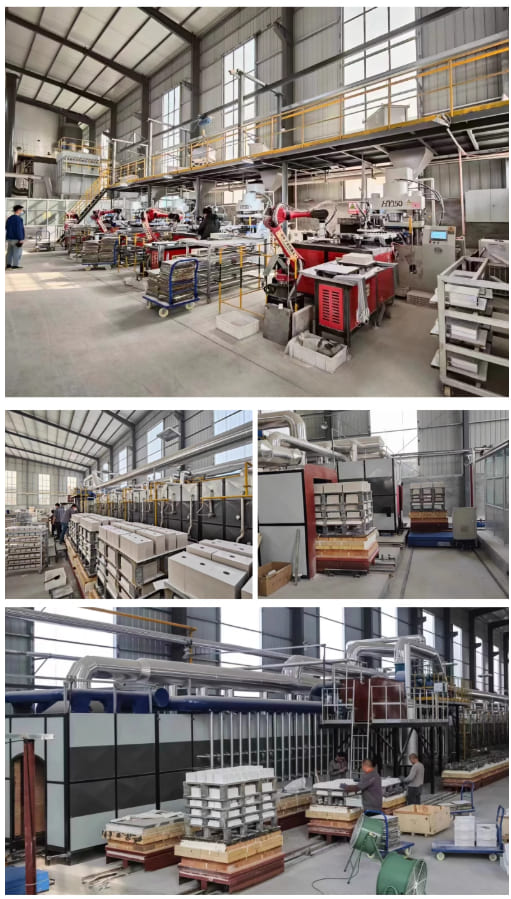
Advanced Ceramics founded on October 17, 2014, is a high-tech enterprise committed to the research and development, production, processing, sales and technical services of ceramic relative materials and products.. Since its establishment in 2014, the company has been committed to providing customers with the best products and services, and has become a leader in the industry through continuous technological innovation and strict quality management.
Our products includes but not limited to Silicon carbide ceramic products, Boron Carbide Ceramic Products, Boron Nitride Ceramic Products, Silicon Carbide Ceramic Products, Silicon Nitride Ceramic Products, Zirconium Dioxide Ceramic Products, Quartz Products, etc. Please feel free to contact us.
Payment Methods
T/T, Western Union, Paypal, Credit Card etc.
Shipment Methods
By air, by sea, by express, as customers request.
5 FAQs of High Temperature Resistance Alumina Refractory Brick for Industry Furnace
What are high temperature resistance alumina refractory bricks?
These bricks handle extreme heat. They mainly contain alumina. Alumina deals with intense heat very well. It keeps its strength even when things get very hot. This makes them perfect for harsh industrial furnace conditions.
What maximum temperatures can they withstand?
These bricks handle very high heat. Specific limits vary by brick grade. Generally, they resist temperatures between 1500°C and 1800°C. Some specialized grades go even higher. Always check the manufacturer’s exact specs for your bricks.
Where are these bricks typically used?
You find them in many industrial furnaces. Common places include steel plant furnaces, cement kilns, and glass melting tanks. They work well in areas needing extreme heat resistance. This includes furnace linings, kiln hot faces, and burner blocks.
What affects their service life?
Several things matter. Continuous high operating temperatures stress the bricks. Frequent heating and cooling cycles cause wear. Chemical attacks from slag or fumes also matter. Proper installation quality is critical too. Good installation makes the bricks last longer.
How do they differ from regular firebricks?
The difference is big. Regular firebricks contain much less alumina. They handle lower temperatures, usually under 1400°C. High alumina bricks resist much higher heat. They also fight chemical corrosion better. They last longer under extreme furnace conditions.
REQUEST A QUOTE
RELATED PRODUCTS
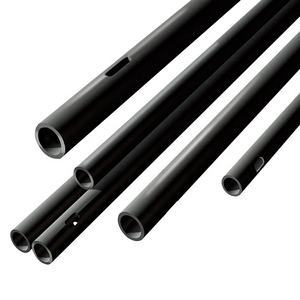
Factory Refractory Large Diameter Alumina Ceramic Roller Ceramic Tube Pipe for Furnace Kiln
Electric Sodium Silicate Glass Melting Furnace for Ceramic Raw Materials Made with Mgo & Sio2 in the Refractory Category
High-Temperature Cordierite Mullite Ceramic Refractory Bearing Board Welding/Cutting Service Plate For Roller Kilns
High Heat Resistance Refractory Cordierite Mullite Ceramic Part For
High Purity Carbon Graphite Crucible Isostatic Refractory Materials for Precious Metal Smelting and Cast Iron Casting