Discover Premium Ceramic Products | Durability & Elegance United | Advanced Ceramics


PRODUCT PARAMETERS
Description
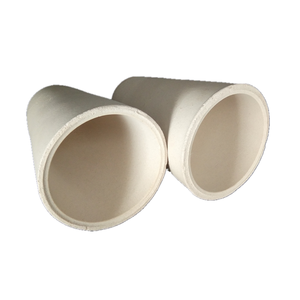
Overview of Hot Graphite Mold 1.72/1.80 G/cm3 High Pure Refractory For Melting
Discover our robust selection of refractory materials and monolithic solutions, engineered to provide durable linings and structural integrity for high-temperature industrial processes.
Feature of Hot Graphite Mold 1.72/1.80 G/cm3 High Pure Refractory For Melting
- Abrasion & Corrosion Resistance: Long-lasting performance in aggressive environments.
- High Mechanical Strength: Maintain structural stability under heavy loads and stress.
- Custom Formulations: Tailored castables, cements, and bricks for specific applications.
- Versatile Applications: Ideal for furnaces, kilns, incinerators, and reactors.
Specifications of Hot Graphite Mold 1.72/1.80 G/cm3 High Pure Refractory For Melting
These graphite molds handle high heat. They are made for melting metals. The density is 1.72 or 1.80 grams per cubic centimeter. This density is important. It affects how strong the mold is. It also affects how well heat moves through it. These molds are very pure. High purity means fewer impurities. Impurities can cause problems. They might make the mold wear out faster. They might also contaminate the molten metal. These molds are refractory. This means they resist very high temperatures. They stay stable when it’s hot. They don’t easily crack or break down. They are good for continuous use. The graphite material conducts heat well. This helps melt metal evenly. It helps control the melting process. The molds are strong. They have good thermal shock resistance. Thermal shock is sudden temperature changes. The molds handle these changes without breaking. They are durable. They last a long time. This saves money over time. These molds are used in foundries. They are used for casting precious metals. Gold and silver are examples. They are used for non-ferrous metals too. Copper and brass are examples. The molds come in different shapes. Crucibles are common. Ingot molds are common too. The high purity is key. It ensures the molten metal stays clean. It prevents unwanted reactions. The density choice offers options. A slightly different density might be better for some jobs. It depends on the specific melting needs. These molds are reliable tools for metal workers.
Applications of Hot Graphite Mold 1.72/1.80 G/cm3 High Pure Refractory For Melting
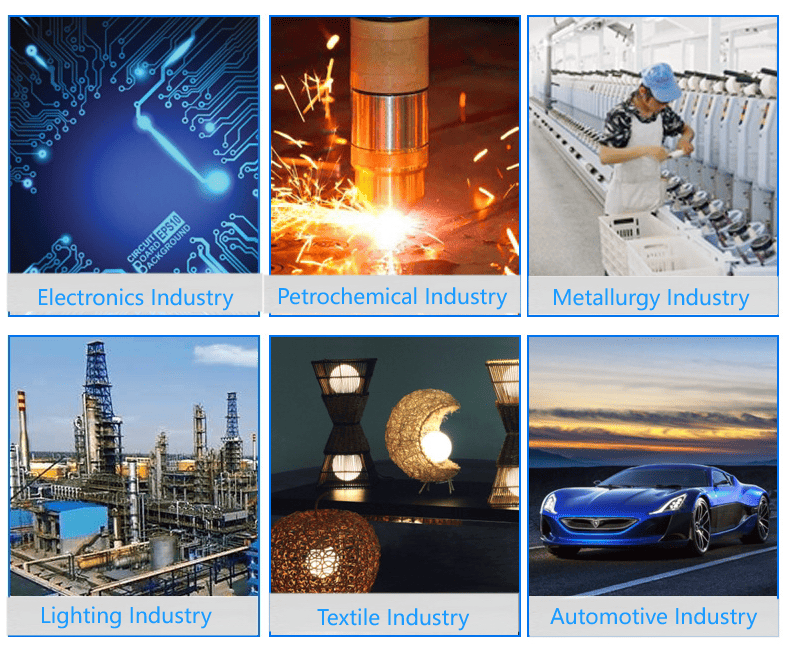
Hot graphite molds with a density of 1.72 to 1.80 g/cm³ are vital tools in high-temperature melting. Their high purity and density make them strong choices for demanding industrial tasks. People use these molds extensively in metal casting. Foundries rely on them for aluminum and copper alloys. The graphite’s strength handles the intense heat and pressure. It keeps its shape well during repeated pours. The high purity is crucial. It prevents unwanted impurities from getting into the melt. This results in cleaner, higher quality cast parts.
These graphite molds are also key in semiconductor manufacturing. They help grow silicon and germanium crystals. The process needs extreme temperatures and a clean environment. The pure graphite ensures no contaminants spoil the crystal structure. This purity is non-negotiable for electronic components. The density provides the needed durability. The mold holds up over many production cycles.
Glass makers also find these molds useful. They shape molten glass for specific products. The graphite withstands the corrosive nature of hot glass. It does not react badly or degrade quickly. This leads to consistent glass quality and longer mold life. Precious metal refiners depend on them too. They melt gold, silver, and platinum. The high purity graphite prevents any metal loss or contamination. Every bit of valuable metal matters.
Company Introduction
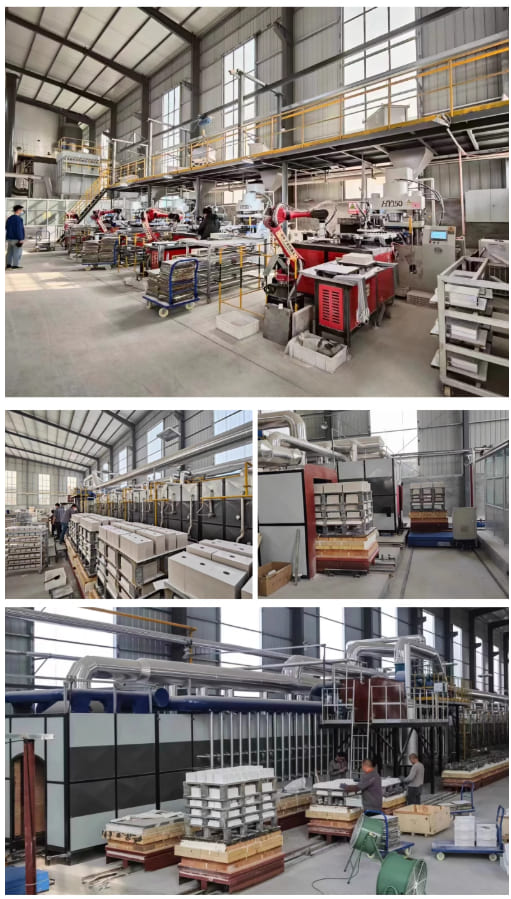
Advanced Ceramics founded on October 17, 2014, is a high-tech enterprise committed to the research and development, production, processing, sales and technical services of ceramic relative materials and products.. Since its establishment in 2014, the company has been committed to providing customers with the best products and services, and has become a leader in the industry through continuous technological innovation and strict quality management.
Our products includes but not limited to Silicon carbide ceramic products, Boron Carbide Ceramic Products, Boron Nitride Ceramic Products, Silicon Carbide Ceramic Products, Silicon Nitride Ceramic Products, Zirconium Dioxide Ceramic Products, Quartz Products, etc. Please feel free to contact us.
Payment Methods
T/T, Western Union, Paypal, Credit Card etc.
Shipment Methods
By air, by sea, by express, as customers request.
5 FAQs of Hot Graphite Mold 1.72/1.80 G/cm3 High Pure Refractory For Melting
What is Hot Graphite Mold used for?
Hot Graphite Mold is for melting metals. It holds liquid metal at very high temperatures. This graphite is strong and lasts a long time. It is good for casting parts. People use it in factories that make metal things.
Why are there two densities, 1.72 and 1.80 g/cm³?
The different densities mean different performance. Higher density graphite, like 1.80 g/cm³, is tougher. It resists wear better. It handles more pressure. Lower density, 1.72 g/cm³, might cost less. Choose based on your needs.
How pure is this graphite?
This graphite is very pure. High purity means fewer impurities. Impurities can weaken the mold. Impurities can also dirty the melted metal. Pure graphite gives better results. It makes stronger, cleaner castings.
How hot can this graphite get?
This graphite handles extreme heat. It works fine beyond 3000°F. It stays stable and doesn’t break down. You can melt almost any metal in it. Copper, gold, silver, aluminum; all are possible. It cools down safely too.
Where is this graphite mold typically used?
Factories use it for precision casting. Jewelry makers use it for rings and chains. Electronics factories use it for special metal parts. Research labs melt samples with it. It fits many melting jobs needing reliability.
REQUEST A QUOTE
RELATED PRODUCTS

Customized Miniature Ceramics Exothermic Casting Riser Sleeves New Model Bending Cutting Welding Processing For Refractory

Alumina Ceramic Crucible Square Sintered Al2O3 for Thermal Analysis Refractory Crucible
Refractory Alumina Ceramic Insulator Glazed Insulating Ceramic Part
Multi-Layer Silicon Carbide Refractory Brick Low Heat Loss Slag Resistance Custom Cutting for Steel Glass Cement Industries
Factory Ceramic Fiber Blanket Pads 128Density 10-70mm Thickness 1260°C Working Temp Refractory Insulation