Discover Premium Ceramic Products | Durability & Elegance United | Advanced Ceramics

PRODUCT PARAMETERS
Description
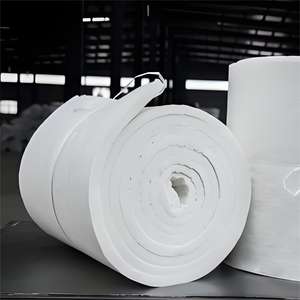
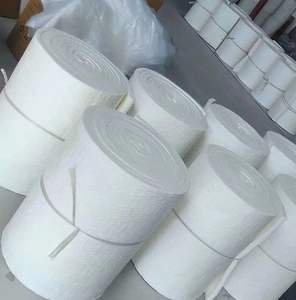
Overview of Refractory Insulating Castable, Refractory Lining Castables For Induction Furnace
Discover our robust selection of refractory materials and monolithic solutions, engineered to provide durable linings and structural integrity for high-temperature industrial processes.
Feature of Refractory Insulating Castable, Refractory Lining Castables For Induction Furnace
- Abrasion & Corrosion Resistance: Long-lasting performance in aggressive environments.
- High Mechanical Strength: Maintain structural stability under heavy loads and stress.
- Custom Formulations: Tailored castables, cements, and bricks for specific applications.
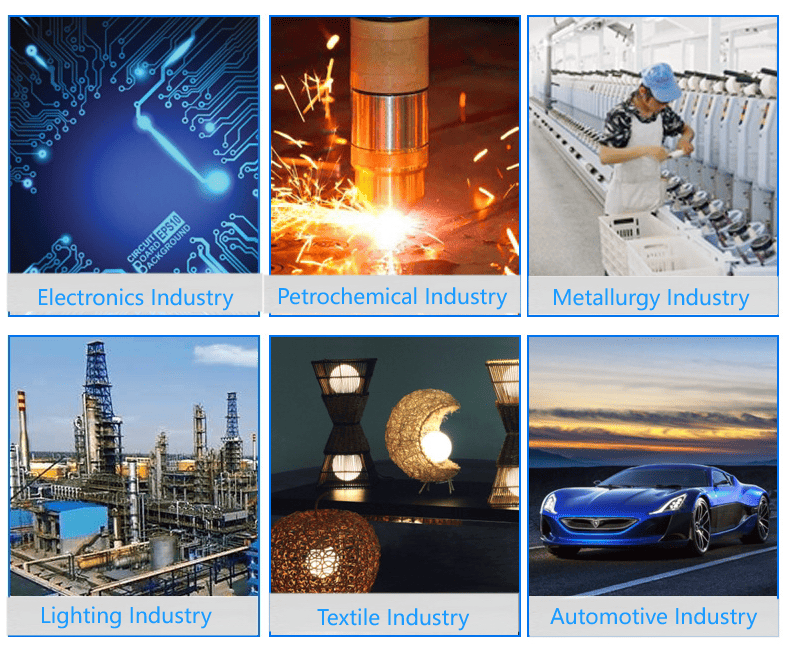
- Versatile Applications: Ideal for furnaces, kilns, incinerators, and reactors.
Specifications of Refractory Insulating Castable, Refractory Lining Castables For Induction Furnace
Refractory insulating castables are important materials for lining induction furnaces. They safeguard the heater structure from severe warm. These castables offer exceptional thermal insulation. This insulation lowers warmth loss significantly. Lower warmth loss means much better energy effectiveness for your furnace operation. You reduce power expenses.
Secret requirements specify these castables. Low bulk thickness is important. Lighter materials give premium shielding buildings. Typical thickness vary from 0.8 g/cm three to 1.5 g/cm two. High chilly squashing toughness is likewise crucial. Good stamina guarantees the lining withstands mechanical anxiety throughout charging or tapping molten metal. Strengths frequently go beyond 20 MPa.
Reduced thermal conductivity is a core attribute. This building straight associates with heat retention inside the heating system chamber. It maintains the warmth where you require it. Excellent thermal shock resistance is non-negotiable. Induction heaters experience rapid temperature adjustments. The cellular lining must deal with these cycles without fracturing or spalling.
High solution temperature level capability is essential. These castables have to withstand constant exposure to thaw metal temperatures, typically exceeding 1600 ° C. Low irreversible direct change after shooting is essential. Minimal shrinkage or development keeps lining honesty throughout heating & cooling stages.
Easy installation matters for efficiency. These castables are combined with water. They are then poured or vibrated into place around the heating system coil. They set rapidly. This lessens heating system downtime throughout relining. Great workability makes certain a smooth, consistent lining application. An uniform lining executes far better and lasts much longer.
These materials stand up to chemical assault from heating system atmospheres and slag. This resistance extends the cellular lining’s operational life. Utilizing the ideal shielding castable straight influences heater efficiency. It boosts power financial savings. It raises lining durability. It minimizes maintenance regularity. Choose based on your certain furnace dimension, steel type, and operating temperatures.
Applications of Refractory Insulating Castable, Refractory Lining Castables For Induction Furnace
Refractory protecting castables are unique products. They stand up to very heats. They also stop warmth from leaving. These castables are powders mixed with water. Employees put or pump them right into place. They set to develop a strong, heat-resistant cellular lining. Induction heating systems need this security. The lining faces extreme warmth inside. It likewise takes care of thawed metal and chemical reactions. Standard thick refractories do the job. But they hold way too much heat. This wastes energy. It makes the furnace shell too warm. Workers need cooling down systems. This adds cost.
Protecting castables address these troubles. They consist of special light-weight components. These components catch air. Air is an inadequate warmth conductor. So the castable keeps warm inside the heating system. Less warmth gets away with the heating system wall surfaces. This saves substantial power. Operators see reduced power costs. The furnace covering remains much cooler. Security improves. Cooling requirements drop. Upkeep obtains much easier. These castables are likewise tough. They handle the heater’s rapid home heating and cooling down cycles well. They stand up to wear from the thawed steel. They battle chemical strike.
Using them for induction heater linings is clever. They install promptly. Employees form them around coils quickly. This makes sure good insurance coverage. It lessens voids. The lining lasts much longer. Furnace effectiveness increases. Production costs go down. Repair work is easier too. Damaged areas can be patched fast. This cuts downtime. Refractory shielding castables use a functional service. They boost furnace performance and conserve cash.
Company Introduction
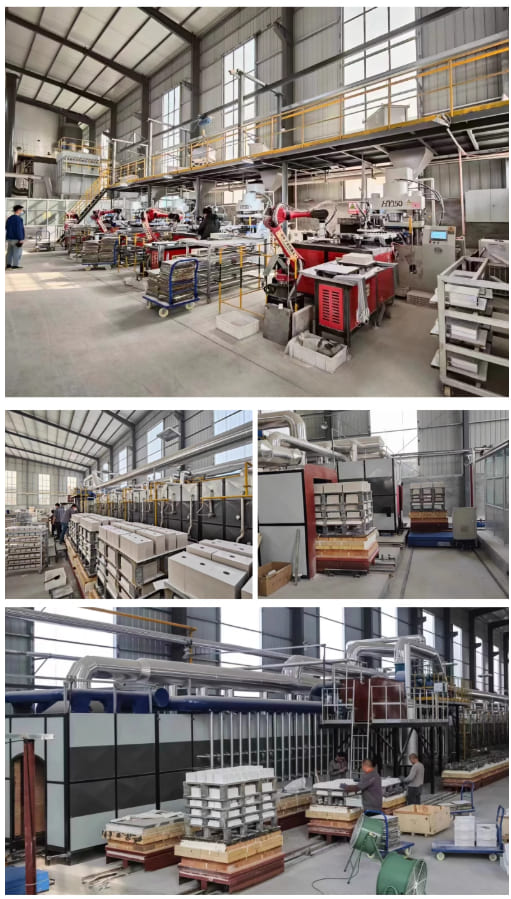
Advanced Ceramics founded on October 17, 2014, is a high-tech enterprise committed to the research and development, production, processing, sales and technical services of ceramic relative materials and products.. Since its establishment in 2014, the company has been committed to providing customers with the best products and services, and has become a leader in the industry through continuous technological innovation and strict quality management.
Our products includes but not limited to Silicon carbide ceramic products, Boron Carbide Ceramic Products, Boron Nitride Ceramic Products, Silicon Carbide Ceramic Products, Silicon Nitride Ceramic Products, Zirconium Dioxide Ceramic Products, Quartz Products, etc. Please feel free to contact us.
Payment Methods
T/T, Western Union, Paypal, Credit Card etc.
Shipment Methods
By air, by sea, by express, as customers request.
5 FAQs of Refractory Insulating Castable, Refractory Lining Castables For Induction Furnace
What are Refractory Insulating Castables? How do they differ from dense castables?
These castables are special heat-resistant concretes. They contain lightweight materials creating tiny air pockets. These pockets trap heat. This makes them much better at stopping heat loss than dense castables. Dense castables are heavier and stronger physically. Insulating castables focus on saving energy by keeping heat inside the furnace.
How quickly can I install and start using the lining?
Installation time depends on the specific castable and furnace size. Generally, you mix the dry powder with water. Then you pour or pump it into place around the furnace coil. It sets hard fairly fast. You can often remove the molds the next day. But you must dry and heat it slowly afterwards. Rushing the initial heating causes cracks. Follow the supplier’s heating schedule exactly.
Why do cracks sometimes appear in the lining after heating?
Cracks happen for a few common reasons. Maybe the heating schedule was too fast. Water trapped inside turns to steam too quickly. This steam pressure breaks the lining. Maybe the castable wasn’t mixed right. Too much water weakens it. Too little water prevents proper bonding. Maybe the material wasn’t vibrated enough during installation. Air pockets left inside become weak points. Thermal shock from rapid temperature swings also causes cracks.
What maximum temperature can these insulating castables handle?
The maximum temperature varies significantly by product. Standard insulating castables often work up to around 1300°C (2372°F). Higher-grade formulations using special aggregates can reach 1600°C (2912°F) or even higher. Always check the manufacturer’s datasheet for the exact temperature rating of the specific castable you choose. Using a castable beyond its rated temperature causes rapid failure.
How long should an induction furnace lining made with this material last?
Lining lifespan isn’t fixed. It depends heavily on operation. Key factors include the furnace temperature, the type of metal melted, how often the furnace cycles on and off, and how carefully operators avoid damaging the lining. Good quality insulating castables, installed and heated correctly, typically last many weeks or months in continuous operation. Monitor the lining thickness regularly. Replace it before it wears too thin.
REQUEST A QUOTE
RELATED PRODUCTS

Factory Composites Ceramic Sintering Powder Circular Of Used Refractory Kiln Cordierite Mullite Sagger
Welding Cutting Bending Services Included Insulating Refractory Ceramic Mold Riser Sleeves With Straight Barrel Casting

High Quality Acid Proof Brick and Tiles Refractory Red Refractory Alumina Acid Resistant Brick
Refractory Alumina Ceramic Insulator Glazed Insulating Ceramic Part

Refractory Cordierite Mullite Ceramic Plate / Batt / Slab for Sanitary Ware