Discover Premium Ceramic Products | Durability & Elegance United | Advanced Ceramics


PRODUCT PARAMETERS
Description
Overview of Refractory Material Fire Clay Brick SK30 SK32 SK34 Yellow Alumina Fire Resistant Clay Brick Kiln
Discover our robust selection of refractory materials and monolithic solutions, engineered to provide durable linings and structural integrity for high-temperature industrial processes.
Feature of Refractory Material Fire Clay Brick SK30 SK32 SK34 Yellow Alumina Fire Resistant Clay Brick Kiln
- Abrasion & Corrosion Resistance: Long-lasting performance in aggressive environments.
- High Mechanical Strength: Maintain structural stability under heavy loads and stress.
- Custom Formulations: Tailored castables, cements, and bricks for specific applications.
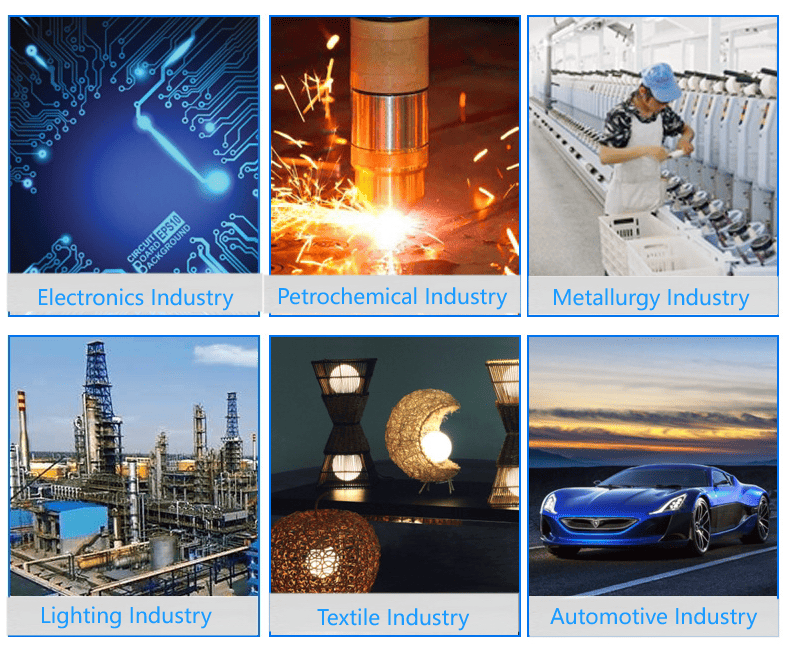
- Versatile Applications: Ideal for furnaces, kilns, incinerators, and reactors.
Specifications of Refractory Material Fire Clay Brick SK30 SK32 SK34 Yellow Alumina Fire Resistant Clay Brick Kiln
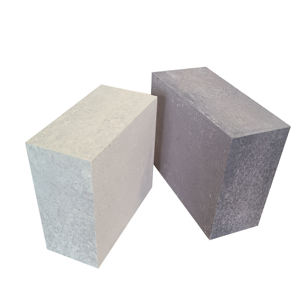
These fire clay bricks are tough heat-resistant materials. They are made from special clays and minerals. People use them to build kilns, furnaces, and other high-temperature places. The main types are SK30, SK32, and SK34. SK34 handles the highest heat. SK30 is good for slightly cooler spots. SK32 fits in the middle.
These bricks are yellow or light brown. They get this color from the alumina inside. Alumina makes them strong against heat. The bricks are dense and hard. Their density stops heat from moving through easily. This helps save energy. They also resist chemical attacks from slag and gases. This is important in harsh industrial settings.
SK30, SK32, and SK34 bricks have different alumina levels. SK34 has the most alumina. This gives it the best heat resistance. They can handle temperatures from about 1500°C to over 1750°C. Check the exact grade for its specific limit. These bricks keep their shape under heat. They don’t shrink or crack much. This is called good thermal stability.
You’ll find these bricks in many shapes and sizes. Standard rectangles are common. Special shapes are also available. Builders use them to line walls, arches, and floors. They last a long time in hot environments. This makes them a practical choice. They protect the outer structure of the kiln. Their strength supports heavy loads at high temperatures.
These materials are essential for industries like steel, glass, and ceramics. They provide reliable insulation. They shield equipment from extreme heat damage. Choosing the right SK grade matters for performance. Consider the operating temperature of your furnace. Consider the chemical exposure too. These bricks offer solid protection for demanding applications.
Applications of Refractory Material Fire Clay Brick SK30 SK32 SK34 Yellow Alumina Fire Resistant Clay Brick Kiln
Fire clay bricks handle extreme heat. SK30, SK32, SK34 are common grades. Yellow alumina fire resistant clay bricks work well in high temperature places. They are strong. They last a long time.
These bricks go inside kilns. Kilns fire ceramics. Kilns make pottery. Kilns bake bricks. The bricks line the inside walls. The bricks protect the kiln structure. Heat stays inside better. This saves fuel. This saves money.
Furnaces also need these bricks. Foundries use them. Steel plants use them. Glass factories use them. The bricks face molten metal. The bricks face hot glass. The bricks resist chemical attack. The bricks resist physical wear. They keep the furnace safe.
Chimneys and flues use these bricks too. Hot gases travel up them. The bricks contain the heat. The bricks prevent heat damage outside. They are stable. They don’t warp easily. They don’t crack easily under normal use.
SK30 bricks are good. They handle moderate heat well. They cost less. They are a solid choice for many jobs. SK32 bricks handle higher heat. They are denser. They last longer in tougher spots. SK34 bricks are the top choice for very high heat. They are the strongest. They are the most durable. They resist spalling best. Spalling means surface chunks breaking off.
Alumina in the bricks makes them tougher. It helps them resist slag. Slag is waste from melting metal. The yellow color often means good quality. It shows good firing. The bricks are shaped precisely. This makes building linings easier. Builders cut them on site. This ensures a tight fit. A tight fit means better insulation. A tight fit means longer life. These bricks are reliable. They keep industrial processes running safely.
Company Introduction
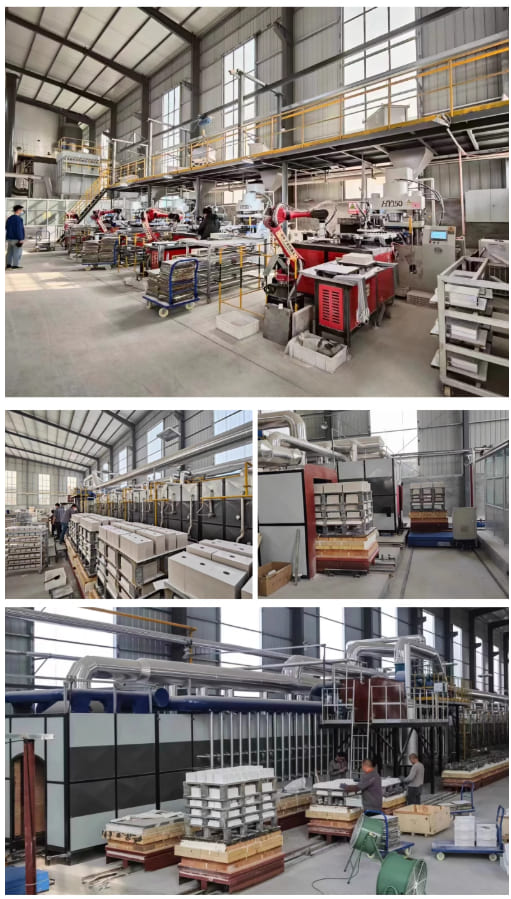
Advanced Ceramics founded on October 17, 2014, is a high-tech enterprise committed to the research and development, production, processing, sales and technical services of ceramic relative materials and products.. Since its establishment in 2014, the company has been committed to providing customers with the best products and services, and has become a leader in the industry through continuous technological innovation and strict quality management.
Our products includes but not limited to Silicon carbide ceramic products, Boron Carbide Ceramic Products, Boron Nitride Ceramic Products, Silicon Carbide Ceramic Products, Silicon Nitride Ceramic Products, Zirconium Dioxide Ceramic Products, Quartz Products, etc. Please feel free to contact us.
Payment Methods
T/T, Western Union, Paypal, Credit Card etc.
Shipment Methods
By air, by sea, by express, as customers request.
5 FAQs of Refractory Material Fire Clay Brick SK30 SK32 SK34 Yellow Alumina Fire Resistant Clay Brick Kiln
What are SK30, SK32, SK34 fire clay bricks?
These are yellow alumina bricks. They are made mainly from fire clay and alumina. They are heat-resistant bricks. People use them to line very hot industrial equipment. They are good for high temperatures.
What temperatures can these bricks handle?
Each type handles different heat levels. SK30 bricks resist temperatures up to about 1500°C (2732°F). SK32 bricks go higher, to roughly 1580°C (2876°F). SK34 bricks handle the most heat, around 1650°C (3002°F). Pick the brick matching your furnace or kiln’s operating heat.
Where are these fire clay bricks used?
They are used inside many high-heat structures. Common places are kilns for pottery or cement. Furnaces in steel mills or foundries use them. Boilers and incinerators need them too. They form the protective lining. This lining keeps the extreme heat inside the structure.
Why choose these specific bricks?
They offer good performance for the cost. They are strong and resist wear from heat and chemicals. They handle sudden temperature changes well. This means less cracking. They are cheaper than some super-high duty bricks. They are a reliable choice for many standard high-heat applications.
How should these bricks be installed?
Installation needs care. Use special heat-resistant mortar. Fit the bricks tightly together. Leave small gaps between bricks. This allows for expansion when they get hot. Follow the furnace or kiln maker’s plan. Proper installation makes the lining last much longer. Bad installation causes early failure.
REQUEST A QUOTE
RELATED PRODUCTS

Alumina Ceramic Refractory Materials Are Used for Lining of Food Baking Kilns and Pharmaceutical Sintering Furnaces

500L Refractory Planetary Mixer Refractory Castable Mixer Refractory Mixer Construction Concrete Mixing Machine For
2300F Fire Proof Resistant Refractory Refractory Ceramic Fiber Board For Wood Stove
Calcium Aluminate Cement 3000-Degree-Refractory-Cement 45 % Al2o3 HA High Alumina Refractory Cement for Kiln Furnace Lining

Manufacture Supply High Density 99.9% Alumina Ceramic Refractory Balls Of All Kinds Of Ceramics High Security Ceramic Ball
