Discover Premium Ceramic Products | Durability & Elegance United | Advanced Ceramics

PRODUCT PARAMETERS
Description
Overview of Supply Insulation Cotton Refractory Materials Refractory Ceramic Fiber Module
Discover our robust selection of refractory materials and monolithic solutions, engineered to provide durable linings and structural integrity for high-temperature industrial processes.
Feature of Supply Insulation Cotton Refractory Materials Refractory Ceramic Fiber Module
- Abrasion & Corrosion Resistance: Long-lasting performance in aggressive environments.
- High Mechanical Strength: Maintain structural stability under heavy loads and stress.
- Custom Formulations: Tailored castables, cements, and bricks for specific applications.
- Versatile Applications: Ideal for furnaces, kilns, incinerators, and reactors.
Specifications of Supply Insulation Cotton Refractory Materials Refractory Ceramic Fiber Module
Refractory ceramic fiber modules provide high-temperature insulation. These modules are made from spun ceramic fiber. This material offers excellent heat resistance. The modules are pre-compressed. They are folded into specific shapes. Common shapes include square and rectangular. Installation happens easily. Modules expand when installed. They lock together tightly. This creates a seamless insulation layer.
The material withstands extreme temperatures. Continuous use temperatures reach 1260°C or higher. Classification temperature is often 1430°C. This depends on the specific fiber grade. Different grades exist for different heat levels. The modules resist thermal shock very well. Rapid temperature changes cause no damage. They hold heat effectively. This reduces energy consumption significantly. Furnace heating costs go down.
Module density is important. Standard density is around 220 kg/m³. Higher density options are available. Higher density improves durability. It also enhances strength. Modules resist chemical attack. They handle most furnace atmospheres well. Minor corrosive elements might be present. The modules perform reliably still. They contain low levels of shot content. Shot means unfiberized material. Low shot improves handling. It also reduces dust.
Standard module sizes exist. A common size is 300mm x 300mm x 250mm. Thickness can vary. Thickness choices are 200mm, 250mm, or 300mm. Modules include integral metal anchors. These anchors secure the module. They attach to the furnace structure. The anchors are welded or bolted on. The folded design creates compression. This compression resists furnace pressure. Modules stay firmly in place. They offer long service life. Replacement needs are infrequent.
Applications of Supply Insulation Cotton Refractory Materials Refractory Ceramic Fiber Module
Supply insulation cotton refractory materials, specifically refractory ceramic fiber modules, offer practical solutions for extreme heat environments. They are made from high-purity alumina-silica ceramic fibers. These fibers are compressed and folded into modular units. Workers install them quickly using anchor systems. This saves significant time on job sites.
These modules handle intense temperatures exceptionally well. They resist thermal shock effectively. This means they won’t crack easily under rapid heating or cooling cycles. They provide excellent thermal insulation. This directly reduces energy consumption. Furnaces, boilers, and kilns stay hotter inside with less heat escaping. Operators see lower fuel bills.
The applications are widespread across heavy industries. Steel mills use these modules extensively in reheating furnaces. Petrochemical plants rely on them in cracking furnaces and reformers. Power generation facilities install them in boiler walls and ductwork. They are essential in aluminum smelters and glass melting furnaces. Ceramics kilns and heat treatment furnaces also benefit greatly.
Their lightweight nature is a major advantage. It places far less stress on supporting structures compared to traditional brick linings. Their flexibility allows for precise installation around complex equipment shapes. This creates a tight, seamless insulation layer. Air leaks are minimized. This boosts overall system efficiency. They are chemically stable. Most industrial atmospheres don’t degrade them. This ensures long service life. They protect vital equipment. They improve worker safety by lowering surface temperatures. They cut operational costs. They are a reliable choice for demanding thermal insulation needs.

Company Introduction
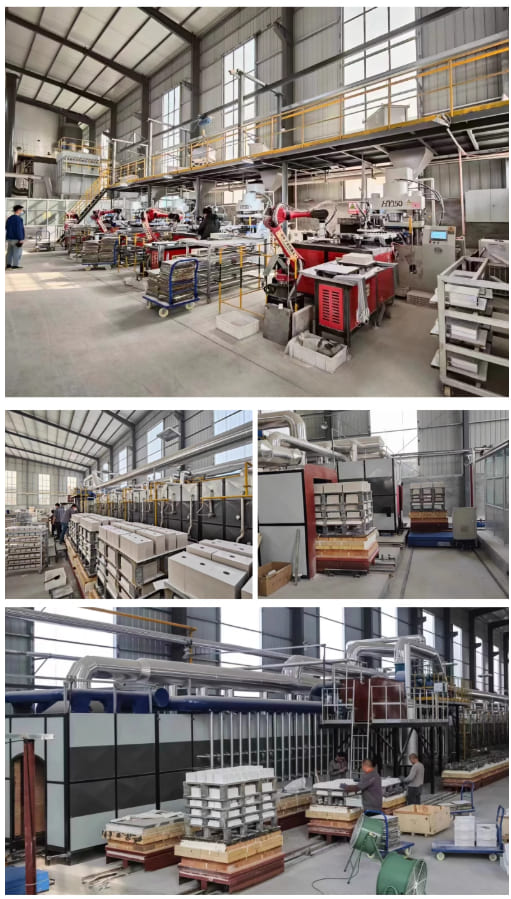
Advanced Ceramics founded on October 17, 2014, is a high-tech enterprise committed to the research and development, production, processing, sales and technical services of ceramic relative materials and products.. Since its establishment in 2014, the company has been committed to providing customers with the best products and services, and has become a leader in the industry through continuous technological innovation and strict quality management.
Our products includes but not limited to Silicon carbide ceramic products, Boron Carbide Ceramic Products, Boron Nitride Ceramic Products, Silicon Carbide Ceramic Products, Silicon Nitride Ceramic Products, Zirconium Dioxide Ceramic Products, Quartz Products, etc. Please feel free to contact us.
Payment Methods
T/T, Western Union, Paypal, Credit Card etc.
Shipment Methods
By air, by sea, by express, as customers request.
5 FAQs of Supply Insulation Cotton Refractory Materials Refractory Ceramic Fiber Module
What are these modules?
They are pre-made blocks of special heat-resistant material. They use tough ceramic fibers. You install them inside furnaces, kilns, and similar hot equipment. Their job is to keep heat inside very well.
How do you put them in?
You anchor them directly onto the steel shell of the furnace or kiln. Metal anchors hold them firmly in place. Workers compress the modules slightly during installation. This creates a tight, seamless layer without gaps. It prevents heat leaks effectively.
How hot can they handle?
Their maximum temperature depends on the exact fiber type used. Standard modules handle around 2300°F (1260°C). Higher-grade versions withstand up to 2600°F (1425°C). You must pick the right grade for your specific furnace temperature.
Why are they better than regular bricks?
They are much lighter than traditional firebricks. This reduces stress on the furnace structure. They insulate heat far better. This saves significant energy. Installation is faster and often easier too. They resist heat shock better than many bricks.
How long do they last?
Their lifespan depends on the operating conditions. Extreme heat, chemical fumes, and physical wear affect them. Proper installation is crucial. Under normal conditions, they last many years. Regular inspection helps spot any needed repairs early.
REQUEST A QUOTE
RELATED PRODUCTS
Refractory Raw Material Ceramic Fiber Spun Cotton
Refractory Infrared Gas Burner Cordierite Honeycomb Ceramic Plate
Refractory 99.7% Al2O3 Alumina Ceramic Pipe Thermocouple Ceramic Protection Tube

Factory Composites Ceramic Sintering Powder Circular Of Used Refractory Kiln Cordierite Mullite Sagger
Large Size High Hardness Aluminium Oxide Al2O3 Refractory Ceramic Crucible Large Capacity Alumina Ceramic Cylinder
