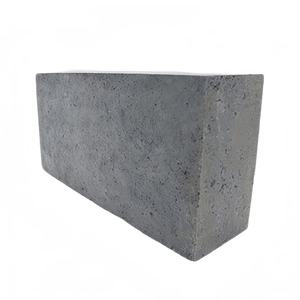
Discover Premium Ceramic Products | Durability & Elegance United | Advanced Ceramics

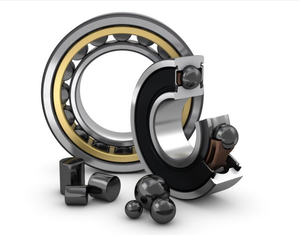
PRODUCT PARAMETERS
Description
Overview of High Thermal Conductivity Stabled Property Silicon Carbide Sic Ceramic Parts Components
Silicon Carbide (SiC) ceramics are renowned for their outstanding mechanical properties, including high hardness, strength at elevated temperatures, and excellent thermal shock resistance. These materials are pivotal in cutting-edge industrial applications, from abrasives to aerospace components, due to their unique combination of properties.
Features of High Thermal Conductivity Stabled Property Silicon Carbide Sic Ceramic Parts Components
High Hardness: Exceptional wear resistance.
Thermal Shock Resistance: Can withstand rapid temperature changes.
Chemical Stability: Resistant to most chemicals.
High Thermal Conductivity: Efficient heat dissipation.
Low Density: Lightweight for its strength.
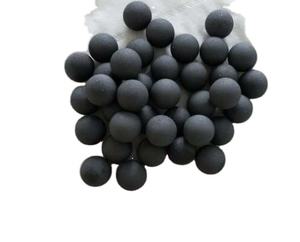
(High Thermal Conductivity Stabled Property Silicon Carbide Sic Ceramic Parts Components)
Specification of High Thermal Conductivity Stabled Property Silicon Carbide Sic Ceramic Parts Components
Silicon Carbide ceramic parts offer exceptional performance in tough settings. These components handle heat extremely well. Their thermal conductivity is high. Heat moves through them quickly. This prevents dangerous hot spots. Parts stay cooler under heavy loads. This is vital for electronics and high-power systems.
SiC is very strong mechanically. It resists wear and abrasion effectively. Parts last longer even in abrasive conditions. Its hardness is close to diamond. This makes it suitable for cutting tools and wear parts. SiC ceramics maintain their shape under pressure. They resist deformation even at high temperatures.
Electrically, SiC is an excellent insulator. It blocks electric current effectively. This is crucial for high-voltage applications. It prevents electrical leakage and breakdown. SiC parts work safely in demanding electrical environments. They provide reliable insulation.
Stability is a key advantage. SiC ceramics resist chemical attack strongly. Acids and bases cause little damage. They perform well in corrosive fluids. Thermal stability is outstanding. SiC parts withstand rapid temperature changes. They resist thermal shock damage. This is important for furnaces and engines. Dimensional stability is excellent. Parts keep their precise size and shape. Heat cycling doesn’t warp them. This ensures long-term reliability.
These properties make SiC ideal for many demanding uses. Common applications include semiconductor manufacturing equipment. High-temperature furnace fixtures benefit greatly. Heat exchanger components use SiC effectively. Laser system parts rely on its stability. Kiln furniture and welding nozzles are frequent uses. Wear-resistant components in harsh machinery utilize SiC. It’s essential for advanced aerospace systems. Automotive brake systems use SiC components. Chemical processing equipment depends on its corrosion resistance. High-performance sealing surfaces employ SiC. Precision fixtures for semiconductor tools need this material.
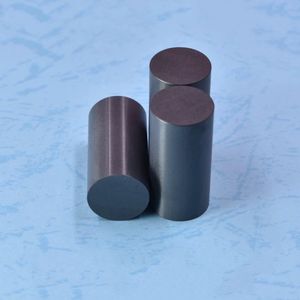
(High Thermal Conductivity Stabled Property Silicon Carbide Sic Ceramic Parts Components)
Applications of High Thermal Conductivity Stabled Property Silicon Carbide Sic Ceramic Parts Components
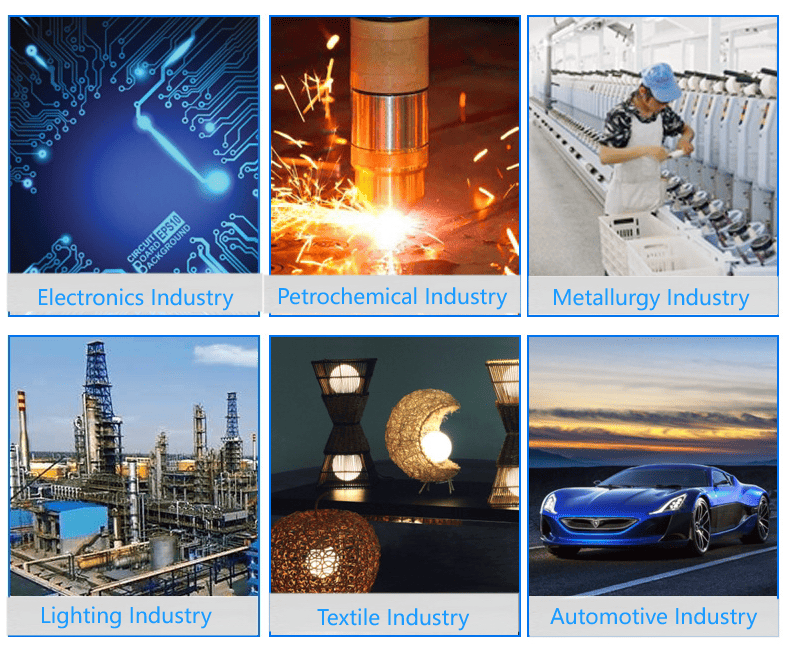
Silicon carbide ceramic parts offer excellent thermal conductivity. This heat transfer ability stays consistent even under extreme conditions. SiC parts handle very high temperatures well. They resist thermal shock too. Sudden temperature changes do not crack them. This stability is crucial for demanding applications.
Semiconductor manufacturing uses SiC components heavily. Wafer processing equipment gets very hot. SiC susceptors hold silicon wafers during heating. They transfer heat evenly. This ensures uniform processing. SiC parts also last longer than other materials. They withstand corrosive gases easily.
Electronics need efficient heat removal. SiC heat spreaders and substrates manage heat in high-power devices. Power modules generate significant heat. SiC helps pull that heat away. This keeps electronics cooler. Cooler electronics perform better. They also last longer. SiC’s electrical insulation is an added benefit.
High-intensity lighting uses SiC. LEDs produce bright light. They also create heat. SiC submounts hold the LED chip. They draw heat away quickly. This prevents the LED from overheating. Overheating reduces light output. It shortens the LED’s life. SiC solves this problem effectively.
Aerospace and automotive sectors use SiC. Engine sensors face extreme heat. SiC sensor components handle this environment. They provide reliable readings. Heat exchangers benefit from SiC’s properties. SiC parts transfer heat efficiently in compact designs. This saves space and weight. Furnace construction uses SiC for hot zones. Kiln furniture made from SiC supports items during firing. It lasts many cycles. Chemical plants use SiC parts for pumps and seals. They resist chemical attack. They handle abrasive slurries well. Their thermal stability is key.
Company Introduction
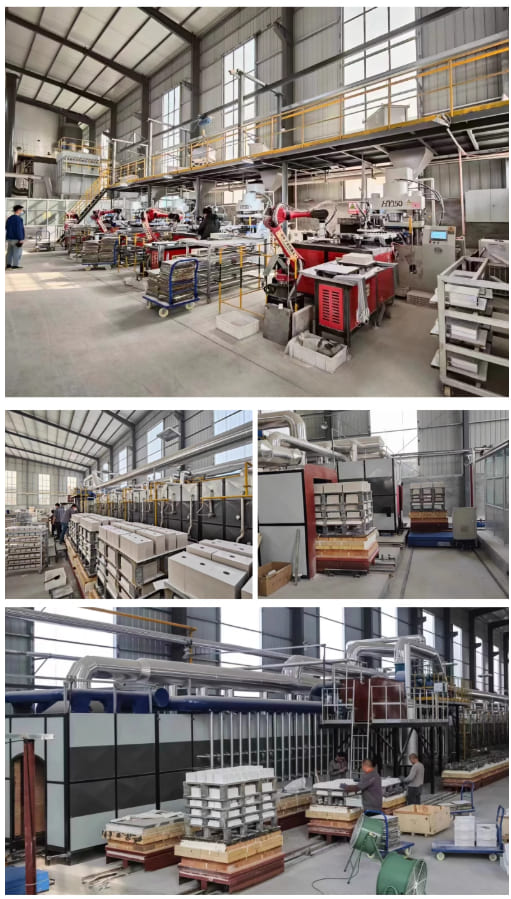
Advanced Ceramics founded on October 17, 2014, is a high-tech enterprise committed to the research and development, production, processing, sales and technical services of ceramic relative materials and products.. Since its establishment in 2014, the company has been committed to providing customers with the best products and services, and has become a leader in the industry through continuous technological innovation and strict quality management.
Our products includes but not limited to Silicon carbide ceramic products, Boron Carbide Ceramic Products, Boron Nitride Ceramic Products, Silicon Carbide Ceramic Products, Silicon Nitride Ceramic Products, Zirconium Dioxide Ceramic Products, Quartz Products, etc. Please feel free to contact us.
Payment Methods
T/T, Western Union, Paypal, Credit Card etc.
Shipment Methods
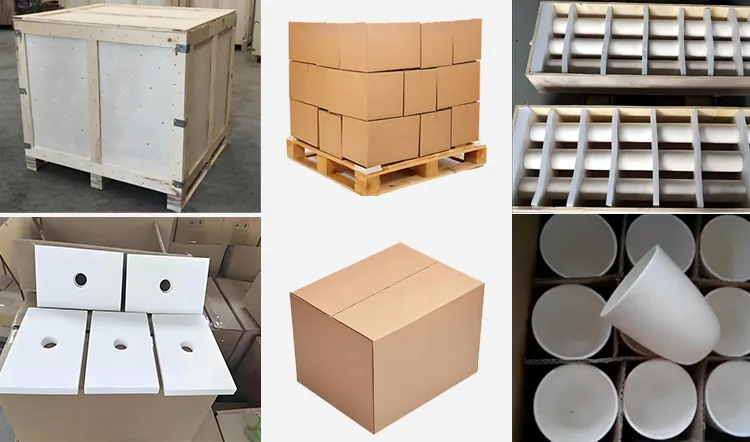
By air, by sea, by express, as customers request.
5 FAQs of High Thermal Conductivity Stabled Property Silicon Carbide Sic Ceramic Parts Components
People often ask what silicon carbide ceramic parts are. They are advanced industrial components made from silicon and carbon. These parts handle extreme conditions better than many metals. They don’t melt easily and resist wear well.
Another common question is why high thermal conductivity matters. Heat moves through silicon carbide fast. This prevents parts from getting too hot inside. Equipment runs cooler and lasts longer. This is crucial for electronics cooling and high-power systems.
Many wonder how stable silicon carbide stays under heat. Silicon carbide keeps its shape and strength even at very high temperatures. It doesn’t expand much when heated. This stability stops cracking or warping. Furnace parts and heat exchangers rely on this.
People also ask how silicon carbide compares to other materials. It conducts heat much better than standard ceramics like alumina. It beats metals like steel in heat resistance and corrosion defense. Aluminum conducts heat slightly better but melts much sooner. Silicon carbide offers the best mix.
Finally, users want examples of where these parts work best. They are perfect for semiconductor wafer supports needing clean heat transfer. Kiln furniture uses them for high-temperature stability. High-power electronics use them for heat sinks. They serve in pump seals and burner nozzles facing extreme heat and corrosion.
(High Thermal Conductivity Stabled Property Silicon Carbide Sic Ceramic Parts Components)
REQUEST A QUOTE
RELATED PRODUCTS
Industrial Silicon Carbide Ceramic Metal Parts/Components Silicon Carbide Sic For
Silicon Carbide Sic Ceramic Heater for Wood Pellet Burner Ignition 767A
Porous Silicon Carbide Ceramic Disc
High Temperature Sic Ceramic Silicon Carbide Tile for Furnace Kiln
Ultra-Hard Silicon Carbide Ceramic Components Ceramic Blocks