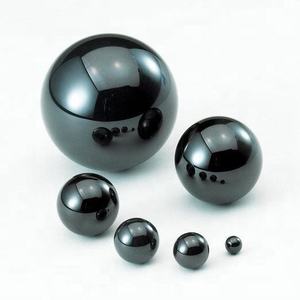
Discover Premium Ceramic Products | Durability & Elegance United | Advanced Ceramics

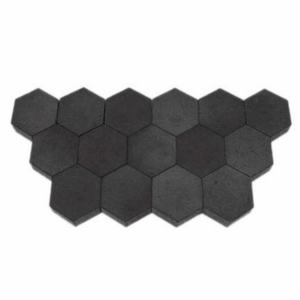
PRODUCT PARAMETERS
Description
Overview of Silicon Carbide Ceramics
Silicon Carbide (SiC) ceramics are renowned for their outstanding mechanical properties, including high hardness, strength at elevated temperatures, and excellent thermal shock resistance. These materials are pivotal in cutting-edge industrial applications, from abrasives to aerospace components, due to their unique combination of properties.
Features of Silicon Carbide Ceramics
High Hardness: Exceptional wear resistance.
Thermal Shock Resistance: Can withstand rapid temperature changes.
Chemical Stability: Resistant to most chemicals.
High Thermal Conductivity: Efficient heat dissipation.
Low Density: Lightweight for its strength.
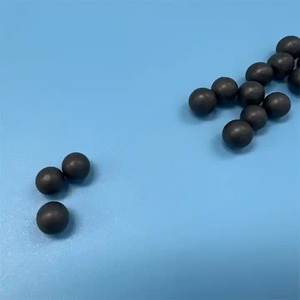
(Industrial Silicon Carbide Ceramic Metal Parts/Components Silicon Carbide Sic For )
Specification of Industrial Silicon Carbide Ceramic Metal Parts/Components Silicon Carbide Sic For
Industrial Silicon Carbide Porcelain Steel Parts and Components made from Silicon Carbide (SiC) are engineered for high-performance applications. These components integrate ceramic and steel properties. They use superb mechanical toughness, thermal security, and resistance to extreme settings. The material handles temperature levels approximately 1650 ° C without losing structural stability. This makes it ideal for industries needing sturdy remedies under tension.
Silicon Carbide ceramic steel components have low thermal development. They maintain shape and function in rapid temperature level adjustments. The material resists oxidation and deterioration in rough chemicals or acidic conditions. It does well in rough settings because of superior hardness. Its wear resistance decreases upkeep demands and expands life span.
These parts are used in aerospace, automobile, power, and hefty equipment industries. Common applications include turbine blades, heat exchangers, pump seals, and heater nozzles. Semiconductor making counts on SiC parts for high-temperature furnaces. Metallurgical processes utilize them for crucibles and reducing devices. Chemical plants gain from their deterioration resistance in pumps and valves.
Trick specifications include a thickness of 3.1 g/cm two and a firmness of 9.5 on the Mohs range. Electric conductivity enables use in burner and electronic substrates. Thermal conductivity exceeds 120 W/m · K, allowing effective warmth dissipation. The product stands up to pressures up to 300 MPa, making sure integrity in heavy-load situations.
Custom-made sizes and shapes are readily available via advanced machining. Choices consist of sintering, response bonding, and chemical vapor deposition. Surface finishes vary from polished to coated for details efficiency needs. Limited tolerances meet accurate design demands.
Quality assurance entails ultrasonic screening and X-ray inspection. Each batch undertakes extensive checks for defects. Accreditations follow international requirements for industrial safety.
Silicon Carbide exceeds standard materials like alumina or tungsten carbide. It operates much longer in extreme problems and minimizes downtime. Its lightweight nature reduces energy intake in relocating systems. Price efficiency originates from reduced substitute frequency and boosted process performance.
The material’s non-reactivity ensures pureness in delicate atmospheres. It prevents contamination in food handling or pharmaceutical applications. Personalized remedies are customized to one-of-a-kind operational needs. Technical assistance is offered style optimization and integration.
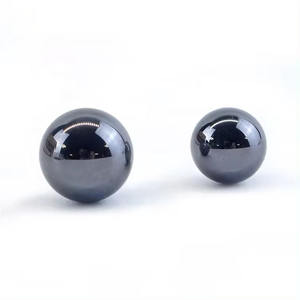
(Industrial Silicon Carbide Ceramic Metal Parts/Components Silicon Carbide Sic For )
Applications of Industrial Silicon Carbide Ceramic Metal Parts/Components Silicon Carbide Sic For
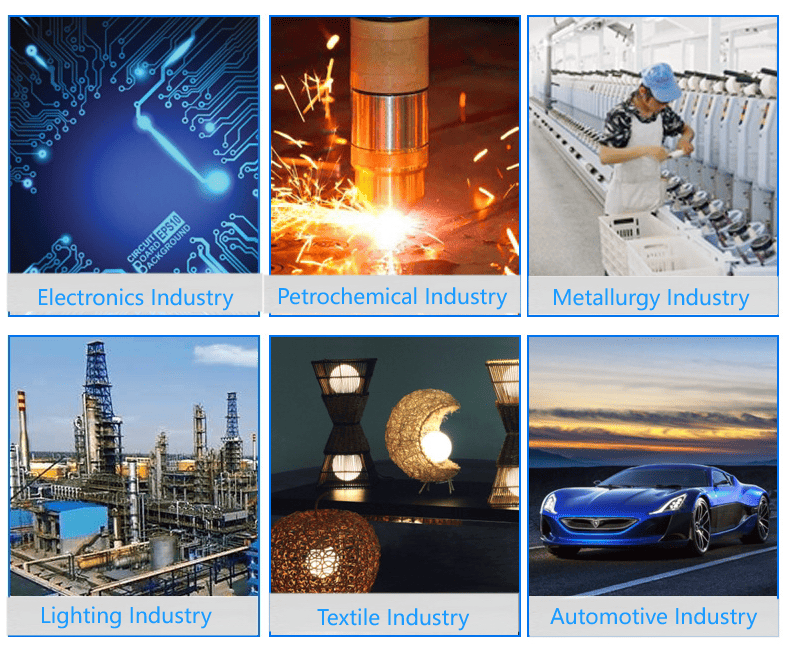
Industrial silicon carbide ceramic steel components and components are commonly used throughout numerous markets as a result of their special properties. Silicon carbide (SiC) is a solid product. It stands up to heats, uses well, and deals with harsh settings much better than metals or plastics. These qualities make it a leading choice for requiring applications.
In aerospace, SiC components are made use of in generator engines and thermal protection systems. They manage extreme warmth and stress throughout flight. This improves engine efficiency and life-span. The product’s light weight also helps in reducing gas use.
The automotive industry utilizes SiC in stopping systems and engine parts. Electric lorries take advantage of SiC’s ability to take care of high power in electronic parts like inverters. This boosts battery life and charging rate. Typical cars use SiC for brake discs since it lasts longer and does well under friction.
Energy production relies on SiC for solar panels and nuclear reactors. The product’s warmth resistance and durability make it suitable for solar battery finishes and reactor cellular linings. It also operates in wind turbine elements, where it lowers maintenance demands.
Electronic devices use SiC in semiconductors and circuit boards. Its high thermal conductivity avoids overheating in devices. This is vital for power electronics and LED systems.
Chemical plants use SiC for pumps, valves, and pipelines. The material resists deterioration from acids and other aggressive chemicals. This lowers substitute prices and downtime.
Heavy machinery makes use of SiC in cutting tools and bearings. The hardness of the material allows specific machining. Bearings made from SiC last longer in high-load problems.
SiC components are also found in medical tools like surgical tools and implants. The product’s biocompatibility and sanitation resistance satisfy stringent health and wellness criteria.
Mining and steel processing usage SiC in grinding tools and heater components. The product endures abrasive products and extreme temperatures. This improves safety and performance.
SiC’s adaptability makes it useful throughout markets. Its capability to perform in challenging conditions decreases costs and increases efficiency.
Company Introduction
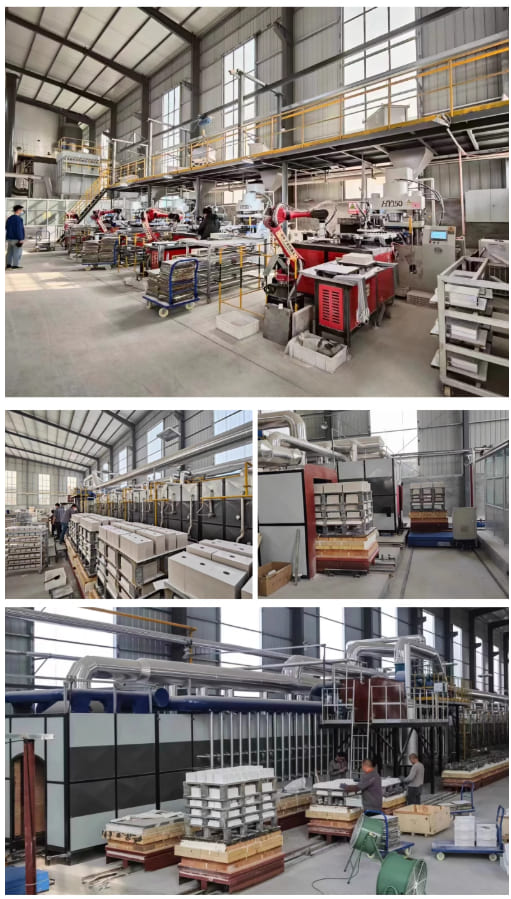
Advanced Ceramics founded on October 17, 2014, is a high-tech enterprise committed to the research and development, production, processing, sales and technical services of ceramic relative materials and products.. Since its establishment in 2014, the company has been committed to providing customers with the best products and services, and has become a leader in the industry through continuous technological innovation and strict quality management.
Our products includes but not limited to Silicon carbide ceramic products, Boron Carbide Ceramic Products, Boron Nitride Ceramic Products, Silicon Carbide Ceramic Products, Silicon Nitride Ceramic Products, Zirconium Dioxide Ceramic Products, Quartz Products, etc. Please feel free to contact us.(nanotrun@yahoo.com)
Payment Methods
T/T, Western Union, Paypal, Credit Card etc.
Shipment Methods
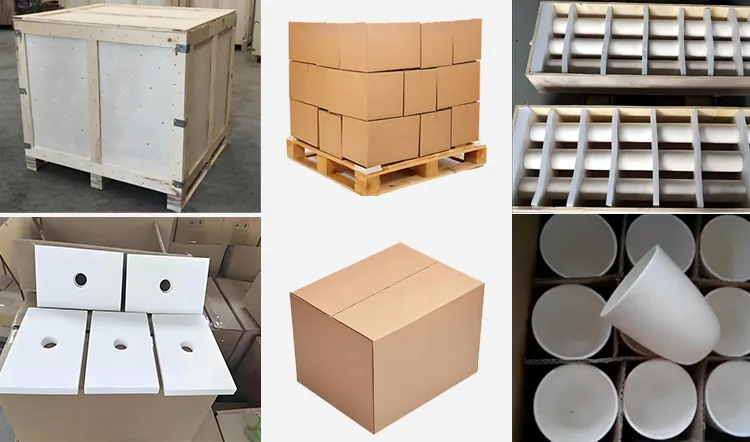
By air, by sea, by express, as customers request.
5 FAQs of Industrial Silicon Carbide Ceramic Metal Parts/Components Silicon Carbide Sic For
Industrial silicon carbide ceramic metal parts/components made from silicon carbide (SiC) are used in high-performance applications. Here are five common questions about these components.
What industries use silicon carbide ceramic metal parts?
Silicon carbide parts are common in automotive, aerospace, energy, and semiconductor industries. They handle extreme conditions like high temperatures, corrosion, and wear. Engines, turbines, and cutting tools often include these components.
Why choose silicon carbide over other materials?
Silicon carbide has better hardness, thermal conductivity, and corrosion resistance than metals or standard ceramics. It lasts longer under stress. It reduces maintenance costs and downtime in harsh environments.
How does silicon carbide perform in high-temperature applications?
Silicon carbide maintains strength and stability at temperatures over 1600°C. It resists thermal shock, making it ideal for furnaces, heat exchangers, and aerospace components. It does not warp or degrade easily.
Are silicon carbide parts resistant to chemical damage?
Yes. Silicon carbide resists acids, alkalis, and oxidizers. It works well in chemical processing equipment, pumps, and valves. It prevents contamination and extends equipment life in aggressive environments.
Do silicon carbide components require special maintenance?
No. Silicon carbide parts need minimal upkeep. They resist wear and corrosion naturally. Regular inspections ensure they function properly. Cleaning with standard industrial methods is usually enough.
Silicon carbide ceramic metal parts improve performance in demanding settings. Their durability and efficiency make them a practical choice for modern engineering challenges.
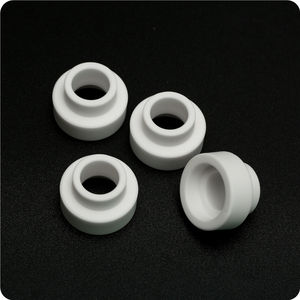
(Industrial Silicon Carbide Ceramic Metal Parts/Components Silicon Carbide Sic For )
REQUEST A QUOTE
RELATED PRODUCTS
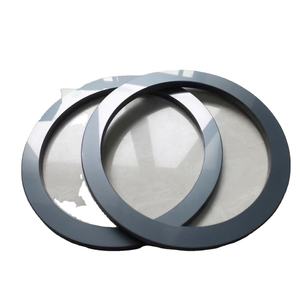
Pressure Free Sintered Silicon Carbide Alumina Ceramic Rod Ceramic Shaft
Abrasion Resistant Sintered Silicon Carbide Industrial-Grade Sic Ceramics
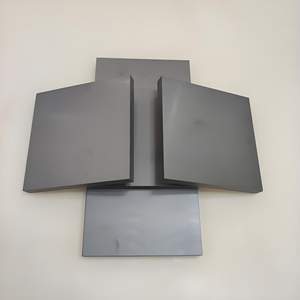
Refractory Nitride Bonded Silicon Carbide SiC Ceramic Kiln Shelf/Kiln Plate Ceramic Shelves
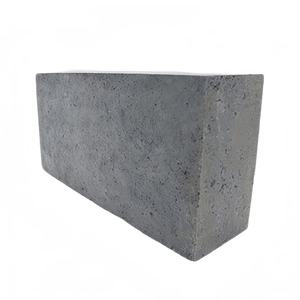
SiC Refractory Plate Sintered SiSiC Silicon Carbide Plate With Holes for Ceramic Furnace
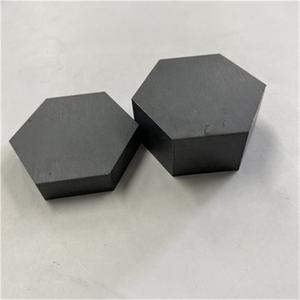
Hot ing SIC Ceramic Ceramic/SSIC Silicon Carbide Ceramic Plate Tile