Discover Premium Ceramic Products | Durability & Elegance United | Advanced Ceramics

PRODUCT PARAMETERS
Description
Overview of Protection Material Sic Ceramic Silicon Carbide Ceramic Components
Silicon Carbide (SiC) ceramics are renowned for their outstanding mechanical properties, including high hardness, strength at elevated temperatures, and excellent thermal shock resistance. These materials are pivotal in cutting-edge industrial applications, from abrasives to aerospace components, due to their unique combination of properties.
Features of Protection Material Sic Ceramic Silicon Carbide Ceramic Components
High Hardness: Exceptional wear resistance.
Thermal Shock Resistance: Can withstand rapid temperature changes.
Chemical Stability: Resistant to most chemicals.
High Thermal Conductivity: Efficient heat dissipation.
Low Density: Lightweight for its strength.
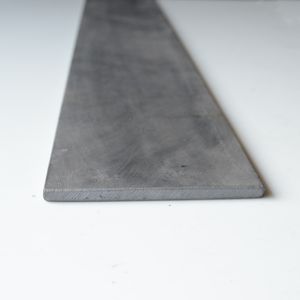
(Protection Material Sic Ceramic Silicon Carbide Ceramic Components)
Specification of Protection Material Sic Ceramic Silicon Carbide Ceramic Components
Defense material SiC ceramic silicon carbide ceramic elements provide superior performance in demanding atmospheres. These components are very tough. They place simply below diamonds on the hardness range. This firmness gives them superb wear resistance. Components last much longer under rough problems. They withstand continuous friction without considerable damages.
These ceramics manage really heats. They run accurately approximately 1650 ° C in air. Performance stays strong even greater in inert atmospheres or vacuum. This makes them excellent for furnace parts, kiln furnishings, and warm exchanger tubes. They will not soften or deform under extreme heat.
Chemical stability is a significant advantage. Silicon carbide withstands strike from numerous acids, alkalis, and molten salts. It does not rust easily. This property is important for chemical processing tools and pump seals. Components preserve honesty in severe chemical baths.
Thermal conductivity is excellent. SiC ceramics move heat effectively. This helps manage warm in applications like burner nozzles or semiconductor handling tools. They prevent unsafe locations. Thermal shock resistance is additionally high. Elements make it through fast temperature level adjustments without cracking. This is essential for components cycled in between cold and hot states.
Electrical properties differ with the specific quality. Some SiC porcelains carry out electricity. Others serve as excellent semiconductors. This flexibility matches various industrial requirements. Electrically conductive grades function well for heating elements. Semiconducting kinds are made use of in digital sensing units.
These elements are lightweight compared to metals. They provide considerable weight cost savings. Toughness continues to be high regardless of the reduced weight. SiC porcelains are dramatically more powerful than typical oxide porcelains like alumina. They give durable mechanical support.
SiC ceramic components are perfect for extreme scenarios. They serve accurately in aerospace, metallurgy, power manufacturing, and chemical plants. Their unique mix of firmness, warm resistance, chemical inertness, and stamina protects devices. They prolong life span and minimize downtime.
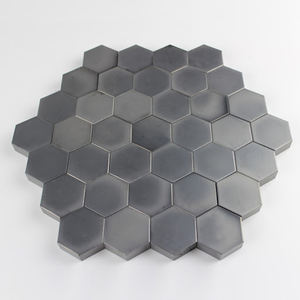
(Protection Material Sic Ceramic Silicon Carbide Ceramic Components)
Applications of Protection Material Sic Ceramic Silicon Carbide Ceramic Components
Silicon carbide ceramic parts supply outstanding security in hard commercial setups. These ceramics are exceptionally difficult. They stand up to abrasion and use effectively. This makes them excellent for parts subjected to constant rubbing. Think about pump seals, slurry handling parts, and sandblasting nozzles. They last much longer than metal components in these tasks.
Chemical deterioration is one more large problem. Numerous acids and alkalis strike metal. Sic ceramics manage these chemicals better. They stay steady and solid. This is critical in chemical processing plants. Sic liners, tubes, and valves endure rough liquids without degrading. Tools life boosts considerably.
Warmth is a major challenge also. Sic ceramics handle heats remarkably well. They perform warmth successfully. They likewise resist thermal shock. This suggests they don’t fracture conveniently when temperatures transform quick. Sic parts are essential in high-heat locations. Heating system cellular linings, burner nozzles, and heat exchanger tubes rely upon Sic. They keep performance where various other products fall short.
Mechanical stress and anxiety is always present. Sic ceramics are very tight and solid. They provide outstanding structural assistance. They safeguard sensitive devices from influence and hefty lots. Utilize them as wear plates, armor tiles, and machine device overviews. They offer trusted protection under stress.
Sic ceramic elements are essential shields. They guard against wear, rust, severe heat, and mechanical damages. Industries select Sic since it maintains devices running longer and more secure.

Company Introduction
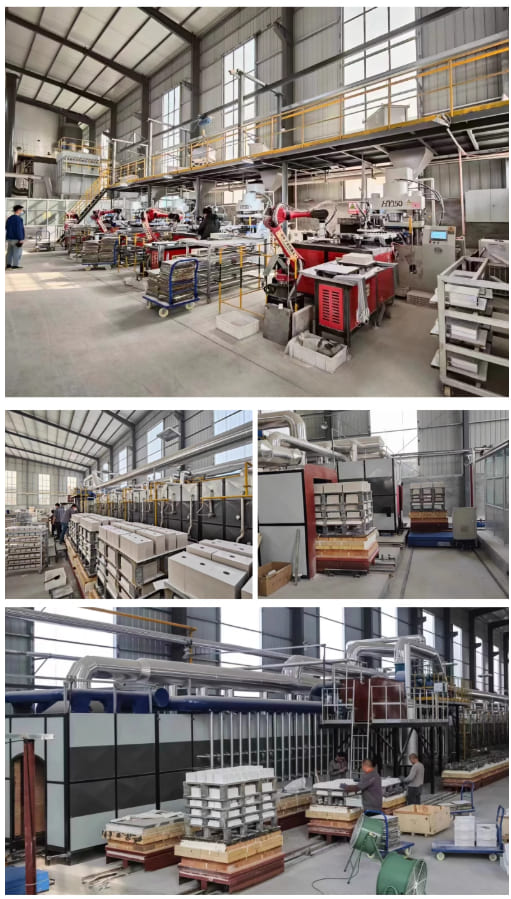
Advanced Ceramics founded on October 17, 2014, is a high-tech enterprise committed to the research and development, production, processing, sales and technical services of ceramic relative materials and products.. Since its establishment in 2014, the company has been committed to providing customers with the best products and services, and has become a leader in the industry through continuous technological innovation and strict quality management.
Our products includes but not limited to Silicon carbide ceramic products, Boron Carbide Ceramic Products, Boron Nitride Ceramic Products, Silicon Carbide Ceramic Products, Silicon Nitride Ceramic Products, Zirconium Dioxide Ceramic Products, Quartz Products, etc. Please feel free to contact us.
Payment Methods
T/T, Western Union, Paypal, Credit Card etc.
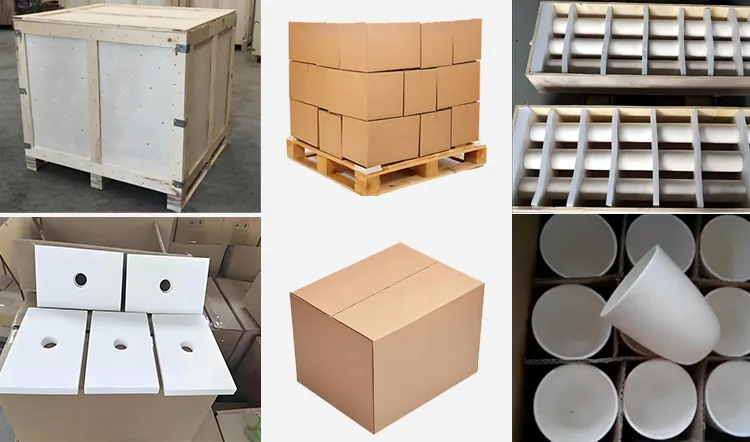
Shipment Methods
By air, by sea, by express, as customers request.
5 FAQs of Protection Material Sic Ceramic Silicon Carbide Ceramic Components
Here are five common questions about silicon Carbide Ceramic Components:
What temperature can silicon carbide ceramics handle?
Silicon carbide ceramics resist extreme heat. They work reliably up to 1600°C (2912°F) in air. In inert atmospheres or vacuum conditions, they withstand even higher temperatures, close to 1650°C (3000°F). This makes them suitable for furnaces, kilns, and high-heat processing.
Do these ceramics resist chemical attack?
Yes, silicon carbide offers excellent chemical resistance. It withstands strong acids, strong alkalis, and molten salts much better than most metals or other ceramics. This property is crucial for components in chemical processing, pumps handling corrosive fluids, and harsh industrial environments.
Can they handle sudden temperature changes?
Yes, silicon carbide ceramics possess exceptional thermal shock resistance. Their high thermal conductivity spreads heat quickly. Their low thermal expansion minimizes stress during rapid heating or cooling. This means they resist cracking when exposed to sudden temperature swings, unlike many other ceramics.
Where are they used for wear protection?
These ceramics protect against severe wear in many applications. Common uses include wear plates, liners, and chutes in mining and material handling. They armor nozzles for abrasive blasting. They line cyclones and pipes carrying abrasive slurries. Their extreme hardness makes them last longer than steel in these punishing conditions.
Do silicon carbide parts need special maintenance?
Generally, no. Silicon carbide components are very low maintenance. Their inherent hardness and chemical resistance mean they degrade slowly under normal operating conditions. They resist wear and corrosion far better than metals. This translates to longer service life and reduced downtime for replacement or repairs.
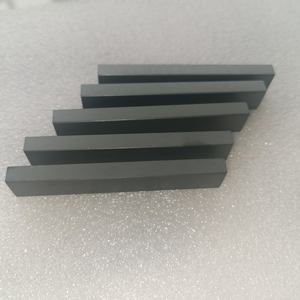
(Protection Material Sic Ceramic Silicon Carbide Ceramic Components)
REQUEST A QUOTE
RELATED PRODUCTS
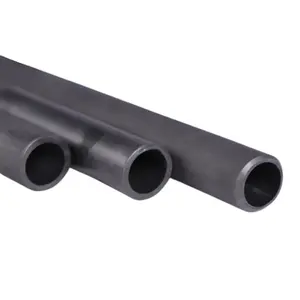
Silicon Carbide Tubing SIC Ceramic burner Nozzle Radiant Tube
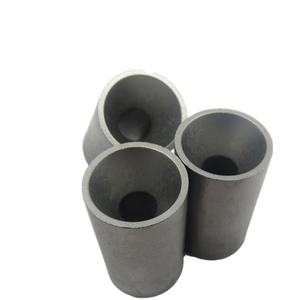
Customized Size High Temperature Resistance Silicon Carbide Ceramic Plates
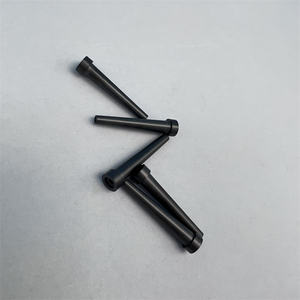
Ultra-Lightweight Sic Ceramic Silicon Carbide Ceramic Parts
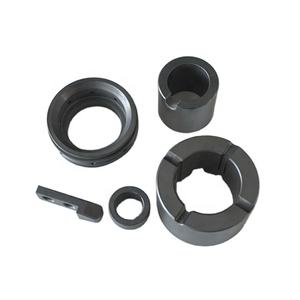
Pressureless Sintered Silicon Carbide Ceramic Seals Silicon Carbide Ceramic
1 15 30 50 60 80 100 and 120 Micron Pore Sizes Alumina and Silicon Carbide Porous Ceramics Plate Tube Disc Rod Ring