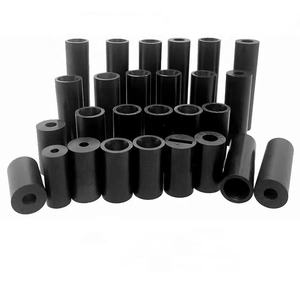
Discover Premium Ceramic Products | Durability & Elegance United | Advanced Ceramics

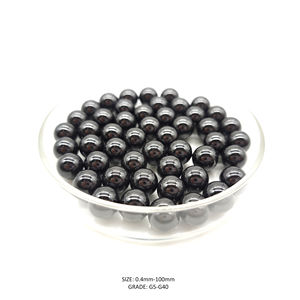
PRODUCT PARAMETERS
Description
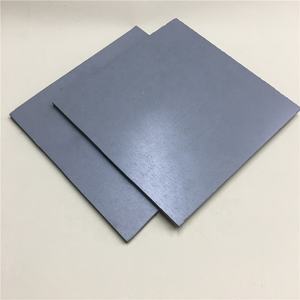
Overview of Ultra-Hard Silicon Carbide Ceramic Components Ceramic Blocks
Silicon Carbide (SiC) ceramics are renowned for their outstanding mechanical properties, including high hardness, strength at elevated temperatures, and excellent thermal shock resistance. These materials are pivotal in cutting-edge industrial applications, from abrasives to aerospace components, due to their unique combination of properties.
Features of Ultra-Hard Silicon Carbide Ceramic Components Ceramic Blocks
High Hardness: Exceptional wear resistance.
Thermal Shock Resistance: Can withstand rapid temperature changes.
Chemical Stability: Resistant to most chemicals.
High Thermal Conductivity: Efficient heat dissipation.
Low Density: Lightweight for its strength.
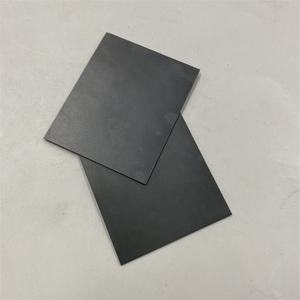
(Ultra-Hard Silicon Carbide Ceramic Components Ceramic Blocks)
Specification of Ultra-Hard Silicon Carbide Ceramic Components Ceramic Blocks
Ultra-hard silicon carbide ceramic parts are difficult commercial components. They deal with extreme problems regular products can not. These ceramic blocks are developed for demanding jobs.
Silicon carbide is naturally very difficult. It approaches diamond hardness. This makes it highly resistant to use and abrasion. Points massaging against it create little damage. It lasts much longer than steel or typical porcelains in abrasive setups. Your parts need changing less usually.
Warm resistance is an additional significant stamina. These ceramics withstand temperatures over 1500 ° C quickly. They maintain their shape and toughness also when extremely hot. Thermal shock is no big problem either. Abrupt temperature modifications will not break them. They benefit heaters, kilns, and high-heat equipment.
Chemical resistance is superb too. Acids, antacid, and severe solvents barely impact silicon carbide. It won’t corrode or break down in harsh settings. This is crucial for chemical processing devices and pump components. Your systems stay trustworthy longer.
Electric homes work. Silicon carbide conducts electricity well. This permits its usage in electrical discharge machining components and other electric applications. Its thermal conductivity is additionally high. Warm expands quickly, avoiding hot spots. This helps components last.
These ceramic blocks are optimal for difficult places. They work well as wear plates, linings, and nozzles taking care of abrasive products. Kiln furniture supports heavy tons at heats. Seal encounters and bearings gain from the solidity and deterioration resistance. Semiconductor producing utilizes them for their pureness and stability.
You get a product that is exceptionally hard, handles extreme heat, fights rust, and puts on gradually. It addresses issues where metals and various other ceramics fail. These blocks provide dependable efficiency in the hardest commercial work. They function well in challenging areas.
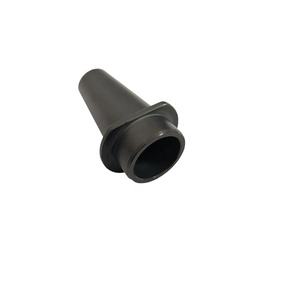
(Ultra-Hard Silicon Carbide Ceramic Components Ceramic Blocks)
Applications of Ultra-Hard Silicon Carbide Ceramic Components Ceramic Blocks
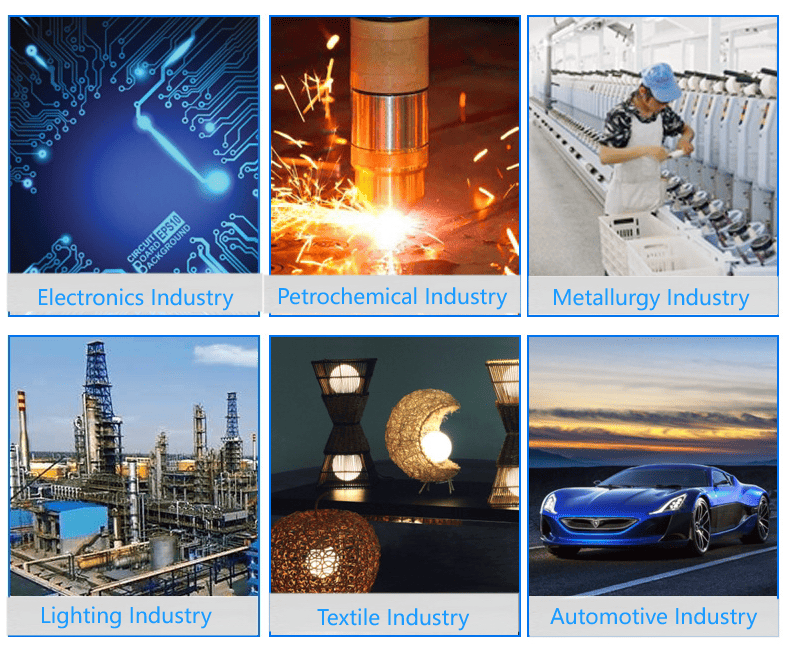
Ultra-hard silicon carbide ceramic blocks are unbelievably hard and sturdy. They take care of extreme problems where other products fail. This makes them vital across requiring sectors.
Mining and mineral handling use these ceramic blocks heavily. They line devices like cyclones and chutes. The consistent circulation of abrasive ore uses down metal parts quickly. Silicon carbide’s severe hardness resists this wear better. This implies tools lasts longer. It minimizes costly substitutes and stops manufacturing for maintenance less typically. Slurry pump components additionally profit considerably.
Power production counts on these challenging ceramics also. Coal gasification systems encounter harsh environments. Heats and harsh chemicals strike components. Silicon carbide obstructs withstand both the warm and the chemical strike. They are essential components in systems transforming coal to cleaner fuels. Their security keeps procedures running reliably.
The semiconductor market needs absolute purity and accuracy. Silicon carbide ceramic blocks are excellent for wafer handling equipment. They won’t pollute sensitive silicon wafers during production. They are likewise utilized inside chemical vapor deposition chambers. These chambers build microchips layer by layer. The ceramics resist the aggressive gases and high warmth needed for this procedure. They keep dimensional stability flawlessly.
Industrial making demands robust services. Silicon carbide ceramic blocks work as wear plates and linings in machinery. They shield versus abrasion in tools handling powders or granules. They are also important in high-temperature kiln furniture. This consists of setters and supports firing advanced ceramics or steels. Their toughness and thermal shock resistance stop warping or splitting under duplicated heating and cooling down cycles. This makes certain constant product quality batch after set.
These ceramic blocks are important in settings demanding severe longevity, heat resistance, and chemical inertness. Their efficiency straight enhances performance and reliability in challenging applications.
Company Introduction
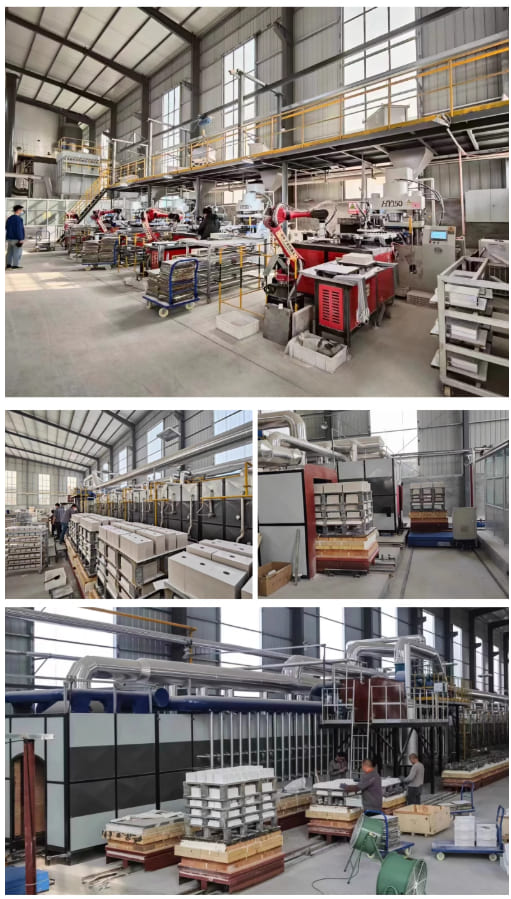
Advanced Ceramics founded on October 17, 2014, is a high-tech enterprise committed to the research and development, production, processing, sales and technical services of ceramic relative materials and products.. Since its establishment in 2014, the company has been committed to providing customers with the best products and services, and has become a leader in the industry through continuous technological innovation and strict quality management.
Our products includes but not limited to Silicon carbide ceramic products, Boron Carbide Ceramic Products, Boron Nitride Ceramic Products, Silicon Carbide Ceramic Products, Silicon Nitride Ceramic Products, Zirconium Dioxide Ceramic Products, Quartz Products, etc. Please feel free to contact us.
Payment Methods
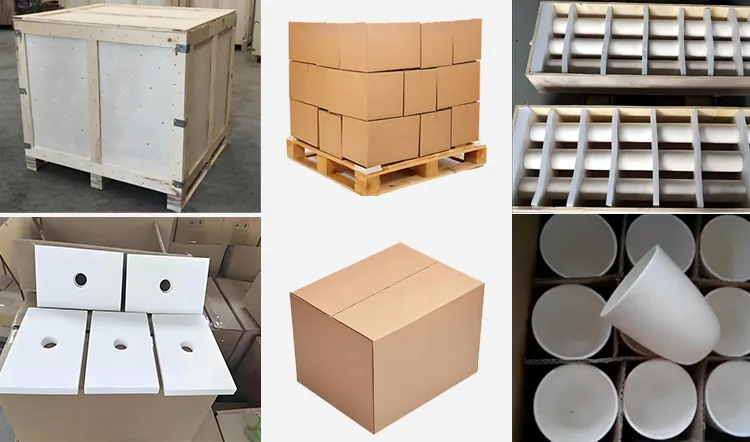
T/T, Western Union, Paypal, Credit Card etc.
Shipment Methods
By air, by sea, by express, as customers request.
5 FAQs of Ultra-Hard Silicon Carbide Ceramic Components Ceramic Blocks
What is silicon carbide ceramic?
Silicon carbide ceramic is a special man-made material. It’s made from silicon and carbon atoms bonded together. This creates an extremely hard structure. Think of it like a super tough ceramic.
Why pick silicon carbide over other ceramics?
Silicon carbide stands out because it’s much harder. It resists wear far better than materials like alumina. It handles heat much better too. It keeps its strength even at very high temperatures where metals fail. This toughness makes parts last longer.
How hot can silicon carbide ceramic blocks get?
These blocks handle extreme heat incredibly well. They work fine in air up to around 1600°C (2912°F). In environments without oxygen, like certain furnaces, they withstand even higher temperatures. Most metals melt long before this point.
Do chemicals damage silicon carbide?
Silicon carbide laughs off most acids and bases. It shrugs off strong acids like hydrochloric or sulfuric acid. It also resists strong alkalis. This makes it perfect for harsh chemical processing plants. It doesn’t rust or corrode like metal either.
Where do people use these ceramic blocks?
You find them anywhere needing toughness against heat, wear, or chemicals. Kiln furniture supports heavy items inside super hot furnaces. Burner nozzles direct intense flames. Wear plates protect machinery in mining. They line pumps moving abrasive slurries. They seal bearings in tough conditions.
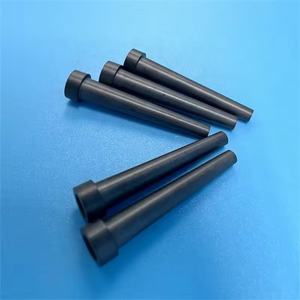
(Ultra-Hard Silicon Carbide Ceramic Components Ceramic Blocks)
REQUEST A QUOTE
RELATED PRODUCTS
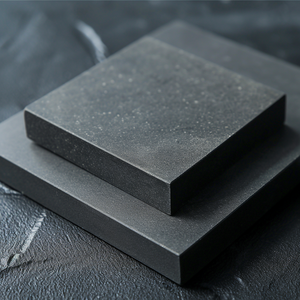
Refractory Nitride Bonded Silicon Carbide SiC Ceramic Kiln Shelf / Kiln Plate Ceramic Shelves
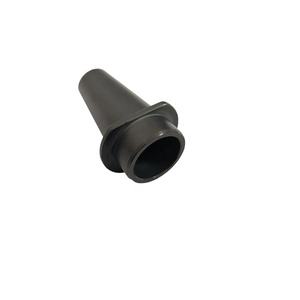
Polymethylsilane Referred to As PMS Is a New Generation Silicon Carbide Ceramic Precursor
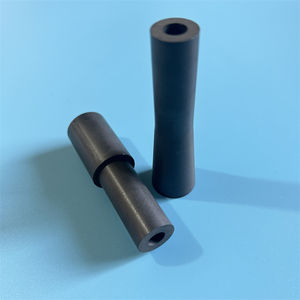
Spot 3mm to 30mm Silicon Carbide High Hardness Ceramic Balls Are Not Rusty, Wear-resistant and Stable Magnetic Insulation
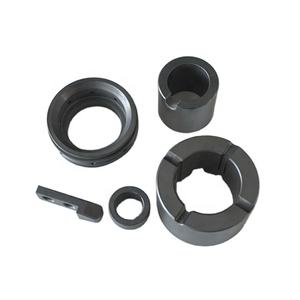
Zirconia Silicon Carbide Alumina Ceramic Foam Filter Casting Porous Foam Ceramic Filter
Durable Silicon Carbide Boards for High-Temperature Ceramic Applications