Discover Premium Ceramic Products | Durability & Elegance United | Advanced Ceramics


PRODUCT PARAMETERS
Description
Overview of Silicon Carbide Ceramics
Silicon Carbide (SiC) ceramics are renowned for their outstanding mechanical properties, including high hardness, strength at elevated temperatures, and excellent thermal shock resistance. These materials are pivotal in cutting-edge industrial applications, from abrasives to aerospace components, due to their unique combination of properties.
Features of Silicon Carbide Ceramics
High Hardness: Exceptional wear resistance.
Thermal Shock Resistance: Can withstand rapid temperature changes.
Chemical Stability: Resistant to most chemicals.
High Thermal Conductivity: Efficient heat dissipation.
Low Density: Lightweight for its strength.
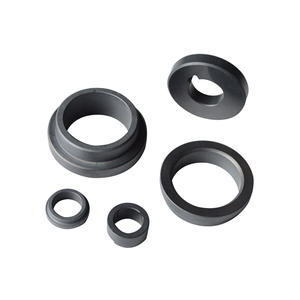
(Wear Resistant SSIC Silicon Carbide Ceramic Tube Ceramic Ring)
Specification of Wear Resistant SSIC Silicon Carbide Ceramic Tube Ceramic Ring
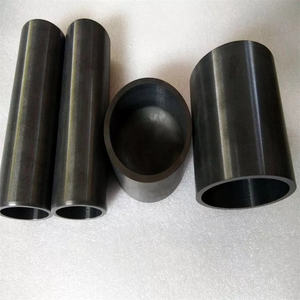
Wear Resistant SSIC Silicon Carbide Ceramic Tubes and Ceramic Rings handle extreme conditions. The material combines high hardness with strong wear resistance. These parts work well in abrasive environments. They suit industries like mining, chemical processing, and power generation.
The ceramic tubes and rings use sintered silicon carbide (SSIC). This material has a density of 3.1-3.2 g/cm³. It keeps stability under temperatures up to 1600°C. The thermal conductivity is high, around 120 W/m·K. This helps distribute heat evenly. The low thermal expansion coefficient prevents cracking during rapid temperature changes.
Mechanical strength is a key feature. The flexural strength exceeds 350 MPa. The hardness reaches 2800 kg/mm² (Vickers). This makes the ceramic resist wear from particles, liquids, or gases. It lasts longer than metals or other ceramics in similar conditions.
Chemical resistance is another advantage. SSIC does not react with most acids, alkalis, or salts. It performs well in corrosive settings. This includes exposure to hydrochloric acid, sulfuric acid, or sodium hydroxide. The material stays intact without degrading.
Available sizes vary. Tubes come in diameters from 10 mm to 300 mm. Wall thickness ranges between 5 mm and 30 mm. Rings have inner diameters of 5 mm to 200 mm. Custom sizes are possible based on needs.
These components fit equipment like cyclones, pumps, or pipelines. They protect machinery from erosion. This reduces downtime and maintenance costs. The smooth surface of SSIC minimizes friction. It improves efficiency in material handling systems.
SSIC ceramic tubes and rings outperform alternatives like alumina or metals. They handle higher temperatures. They resist wear better. They stay reliable in harsh chemical conditions. Industries choose them for durability and cost savings over time.
(Wear Resistant SSIC Silicon Carbide Ceramic Tube Ceramic Ring)
Applications of Wear Resistant SSIC Silicon Carbide Ceramic Tube Ceramic Ring
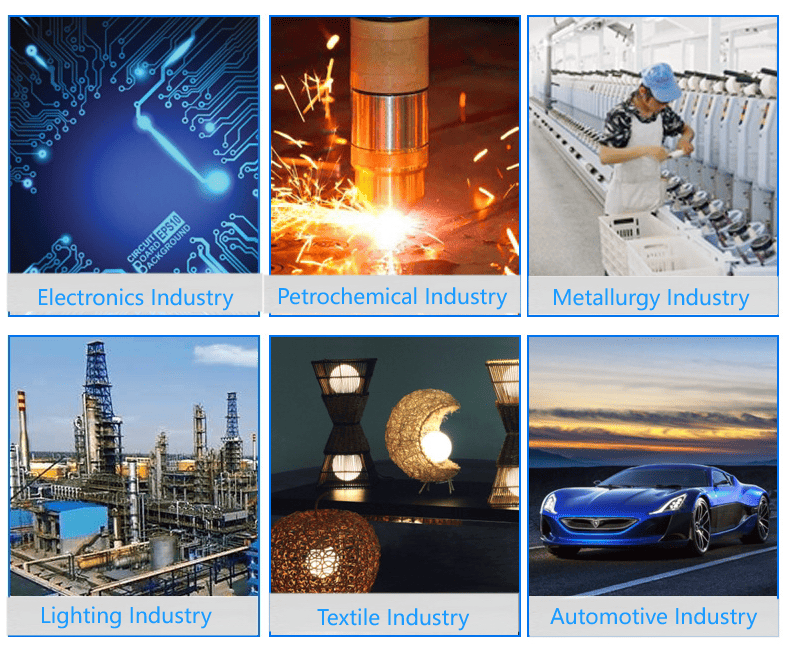
Wear-resistant SSIC silicon carbide ceramic tubes and ceramic rings are used in many industries. These parts handle extreme conditions. They work well in high temperatures, heavy wear, and corrosive settings. Their hardness and durability make them better than metals or plastics in tough environments.
In industrial equipment, these ceramics protect parts that face constant friction. Pumps, valves, and pipelines use them to move abrasive materials like slurries or powders. Mining operations rely on ceramic tubes to transport crushed ore. This reduces downtime caused by worn parts. Chemical plants use ceramic rings in reactors. The rings resist acids and bases. This keeps equipment running longer without damage.
High-temperature applications benefit from silicon carbide’s heat resistance. Ceramic tubes line kilns and furnaces. They handle temperatures over 1600°C without cracking. Thermal power plants use them in heat exchangers. This improves energy efficiency. Semiconductor manufacturing uses ceramic rings in high-heat processes. They stay stable when metals would warp.
Mechanical systems use these ceramics for their low friction. Ceramic rings in bearings and seals reduce wear. This extends machinery life. Automotive engines use ceramic tubes for exhaust sensors. They survive vibration and heat better than metal parts.
Corrosive environments need materials that don’t degrade. Silicon carbide ceramics resist oxidation and chemical reactions. Waste treatment plants use ceramic tubes to move aggressive liquids. Oil refineries use rings in pumps exposed to harsh chemicals. This cuts replacement costs.
Electronics use these ceramics for electrical insulation. Ceramic tubes protect sensors in high-voltage systems. Their thermal conductivity helps dissipate heat. This prevents overheating in devices.
These ceramics save money over time. Their strength lowers maintenance needs. Industries choose them for reliability. Their versatility makes them fit many harsh settings.
Company Introduction
Advanced Ceramics founded on October 17, 2014, is a high-tech enterprise committed to the research and development, production, processing, sales and technical services of ceramic relative materials and products.. Since its establishment in 2014, the company has been committed to providing customers with the best products and services, and has become a leader in the industry through continuous technological innovation and strict quality management.
Our products includes but not limited to Silicon carbide ceramic products, Boron Carbide Ceramic Products, Boron Nitride Ceramic Products, Silicon Carbide Ceramic Products, Silicon Nitride Ceramic Products, Zirconium Dioxide Ceramic Products, Quartz Products, etc. Please feel free to contact us.(nanotrun@yahoo.com)
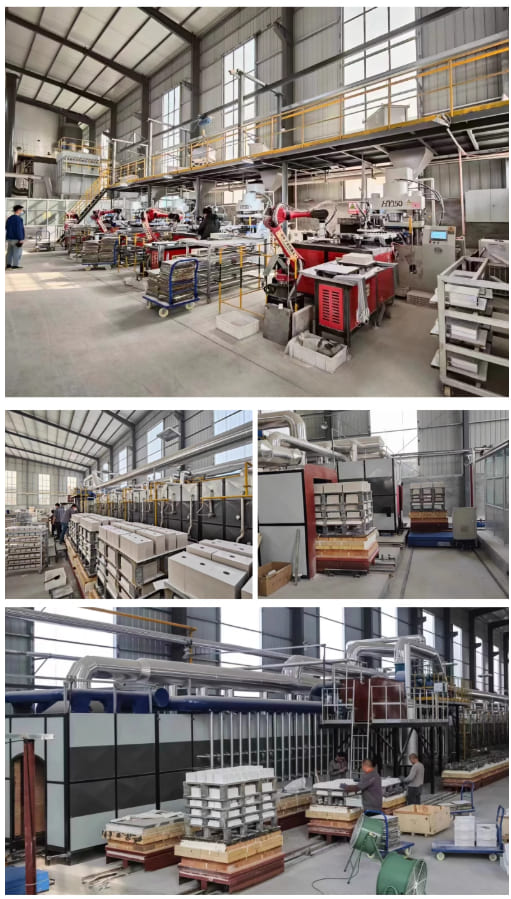
Payment Methods
T/T, Western Union, Paypal, Credit Card etc.
Shipment Methods
By air, by sea, by express, as customers request.
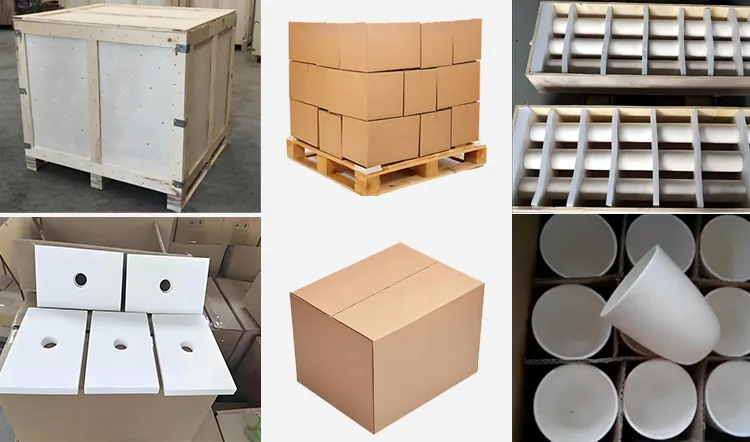
5 FAQs of Wear Resistant SSIC Silicon Carbide Ceramic Tube Ceramic Ring
What are wear-resistant SSIC silicon carbide ceramic tubes and rings made of?
These products use sintered silicon carbide (SSIC). The material combines high-purity silicon and carbon. A high-temperature sintering process creates a dense structure. This makes the ceramic resistant to wear, corrosion, and extreme heat.
Where are these ceramic tubes and rings commonly used?
They fit industries needing durable materials. Examples include mining, chemical processing, and power generation. They handle abrasive slurries, high-temperature gases, and corrosive chemicals. Their strength suits pumps, valves, and machinery parts exposed to harsh conditions.
How much heat can silicon carbide ceramic tubes withstand?
They operate in temperatures up to 1600°C (2912°F) in air. In inert or reducing atmospheres, they tolerate even higher heat. Thermal shock resistance lets them survive sudden temperature shifts without cracking.
Are these ceramics more durable than metal alternatives?
Yes. Metals like steel wear down faster under abrasion or chemical exposure. Silicon carbide lasts longer. It reduces downtime and replacement costs. Its hardness is close to diamonds, outperforming alumina ceramics and most metals.
Do these tubes and rings require special maintenance?
No. Their non-reactive surface resists buildup from chemicals or particles. Regular cleaning with water or mild solvents keeps them functional. Avoid mechanical impacts during handling to prevent chipping.
(Wear Resistant SSIC Silicon Carbide Ceramic Tube Ceramic Ring)
REQUEST A QUOTE
RELATED PRODUCTS
Hot Strength Silicon Carbide Ceramic Wear Lining Bricks Tubes for Mining Industry
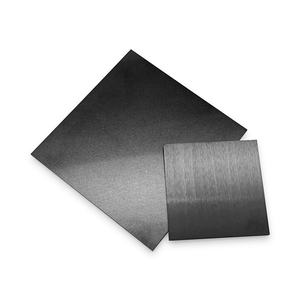
Reaction Bonded Silicon Carbide Plate for Ceramic Kiln and Furnace Furniture
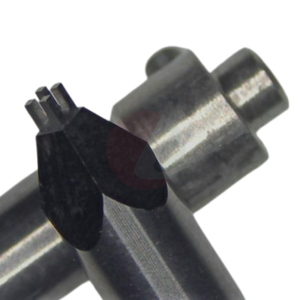
High Temperature 1650 Degree Silicon Carbide Sic Ceramic Plate Recrystallized Silicon Carbide Plate for Ovens
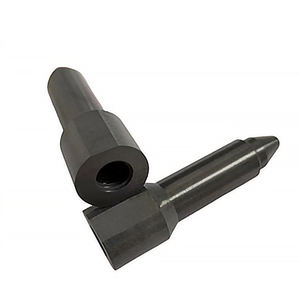
Advanced Nij IV Silicon Carbide Body Armor Ceramic Plate
Qimingxing Silicon Carbide Ceramic Rubber Wear Plates for Wear and Impact Resistant