Discover Premium Ceramic Products | Durability & Elegance United | Advanced Ceramics

PRODUCT PARAMETERS
Description
Overview of Zirconium Dioxide Ceramics
Zirconium Dioxide Ceramics, known for their toughness and ability to withstand extreme temperatures, are widely used in medical, automotive, and industrial applications due to their unique properties.
Features of Zirconium Dioxide Ceramics
Exceptional fracture toughness
High thermal expansion
Excellent resistance to wear and corrosion
Biocompatibility for medical implants
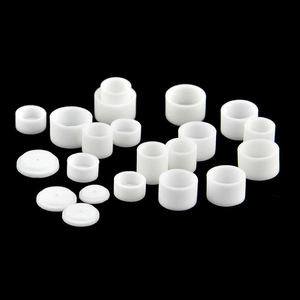
(Zirconia Oxide Ceramic Precision Ball Zirconium Silicate ZrO2 Beads Zro2 Ceramic Ball 65% 45% 20%)
Specifications of Zirconia Oxide Ceramic Precision Ball Zirconium Silicate ZrO2 Beads Zro2 Ceramic Ball 65% 45% 20%
Zirconia Oxide Ceramic Precision Ball Zirconium Silicate ZrO2 Beads provide high-performance solutions for industrial grinding and milling. These ceramic balls combine zirconium oxide and zirconium silicate. The material ensures exceptional durability. The beads come in three zirconia content levels: 65%, 45%, and 20%. Higher zirconia increases hardness and wear resistance. This makes the 65% ZrO2 beads ideal for heavy-duty applications. The 45% and 20% variants suit less demanding tasks. All versions maintain consistent chemical stability.
These ceramic balls feature high density. This enhances grinding efficiency. The smooth surface finish minimizes contamination. Uniform size distribution ensures even processing. Sizes range from 0.1mm to 50mm. Custom sizes are available. The beads work in both wet and dry environments. They resist corrosion from acids and alkalis. Thermal stability allows use in high-temperature settings.
Applications span multiple industries. They are used in paint and coating production. Ink manufacturing relies on them for fine particle dispersion. Cosmetics benefit from their non-reactive properties. Pharmaceutical processes use them for precise material refinement. Electronics industries apply them in ceramic component processing.
The beads offer extended service life. This reduces replacement frequency. Lower maintenance costs improve operational efficiency. Consistent performance ensures product quality. Minimal material wear prevents impurities. The inert nature avoids chemical reactions.
Three zirconia grades cater to specific needs. The 65% ZrO2 beads handle aggressive materials like metals. The 45% version balances cost and performance for minerals. The 20% option suits softer materials such as dyes. All grades are manufactured under strict quality controls. Precision engineering guarantees spherical accuracy.
These ceramic balls are eco-friendly. They generate less waste compared to traditional media. Recyclability supports sustainable practices. Packaging options include bulk containers or custom orders. Technical support is available for optimal usage guidance. Proper storage ensures long-term performance.
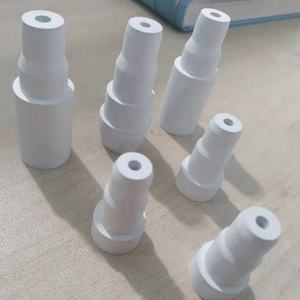
(Zirconia Oxide Ceramic Precision Ball Zirconium Silicate ZrO2 Beads Zro2 Ceramic Ball 65% 45% 20%)
Applications of Zirconia Oxide Ceramic Precision Ball Zirconium Silicate ZrO2 Beads Zro2 Ceramic Ball 65% 45% 20%
Zirconia oxide ceramic precision balls, also known as zirconium silicate ZrO2 beads, are widely used across industries for their unique properties. These ceramic balls come in zirconia content variants like 65%, 45%, and 20%, making them adaptable to different applications. Their high hardness, wear resistance, and thermal stability make them ideal for demanding environments.
In industrial grinding and milling, these beads serve as efficient grinding media. They crush and mix materials in industries like paints, coatings, and pharmaceuticals. The 65% zirconia beads are preferred for heavy-duty grinding due to their higher density and toughness. Lower zirconia content beads, like 45% or 20%, suit less intense processes where cost efficiency matters.
The chemical stability of ZrO2 beads makes them suitable for corrosive environments. They are used in chemical plants, wastewater treatment, and petrochemical refining. Their resistance to acids and alkalis ensures long-term performance without degradation.
In electronics, zirconia ceramic balls act as insulating components. They are used in sensors, circuit boards, and high-voltage equipment. Their low electrical conductivity prevents energy loss and improves device reliability.
Medical applications include surgical tools and dental implants. The biocompatibility of zirconia ensures safe use in the human body. These beads are also used in joint replacements and diagnostic equipment due to their durability and non-reactive nature.
The automotive and aerospace industries use ZrO2 beads in high-stress parts like bearings and valves. Their ability to withstand extreme temperatures reduces wear in engines and turbines. This extends equipment lifespan and lowers maintenance costs.
Zirconia ceramic balls are lighter than steel alternatives, reducing energy consumption in rotating machinery. Their smooth surface minimizes friction, preventing material contamination during processing. This is critical in food processing and precision manufacturing.
Choosing the right zirconia content depends on application needs. Higher zirconia offers better performance in harsh conditions. Lower zirconia grades provide budget-friendly options for less demanding tasks. These beads are available in multiple sizes to fit specific machinery and processes.
Their versatility, combined with cost-effectiveness and durability, makes zirconia oxide ceramic balls a practical solution for industries aiming to improve efficiency and product quality.

Company Introduction
Advanced Ceramics founded on October 17, 2014, is a high-tech enterprise committed to the research and development, production, processing, sales and technical services of ceramic relative materials and products.. Since its establishment in 2014, the company has been committed to providing customers with the best products and services, and has become a leader in the industry through continuous technological innovation and strict quality management.
Our products includes but not limited to Silicon carbide ceramic products, Boron Carbide Ceramic Products, Boron Nitride Ceramic Products, Silicon Carbide Ceramic Products, Silicon Nitride Ceramic Products, Zirconium Dioxide Ceramic Products, Quartz Products, etc. Please feel free to contact us.(nanotrun@yahoo.com)
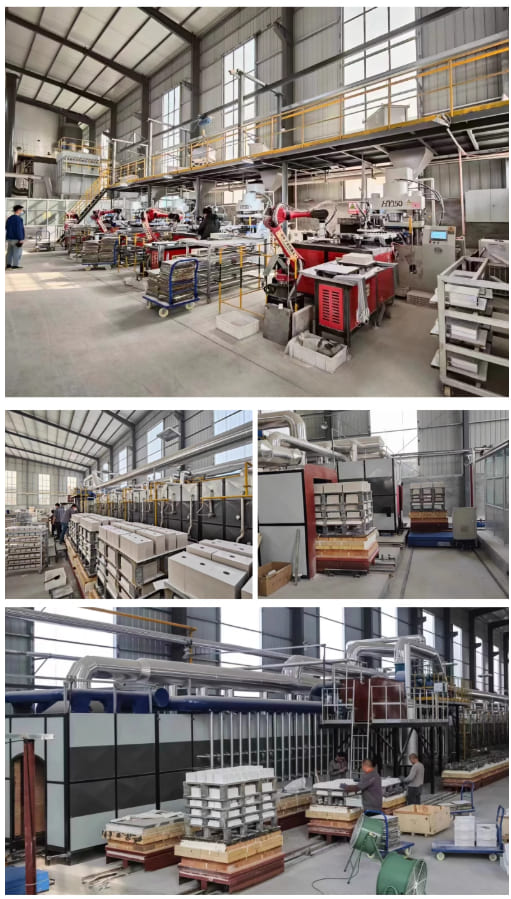
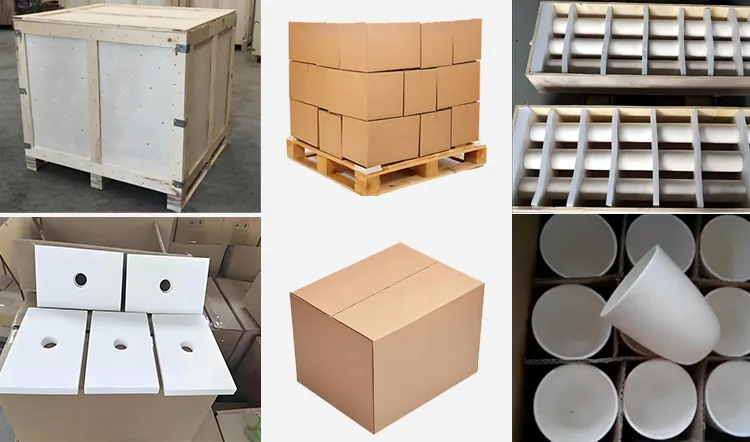
Payment Methods
T/T, Western Union, Paypal, Credit Card etc.
Shipment Methods
By air, by sea, by express, as customers request.
5 FAQs of Zirconia Oxide Ceramic Precision Ball Zirconium Silicate ZrO2 Beads Zro2 Ceramic Ball 65% 45% 20%
What are Zirconia Oxide Ceramic Precision Balls made of?
Zirconia Oxide Ceramic Precision Balls are made from zirconium silicate (ZrO2). The material includes additives like yttria to stabilize the structure. The beads come in different zirconia content levels: 65%, 45%, and 20%. Higher zirconia content increases hardness and wear resistance. Lower zirconia levels offer cost savings for less demanding tasks.
What industries use ZrO2 ceramic balls?
These ceramic balls are used in industries requiring precision grinding and milling. Examples include paints, coatings, electronics, and pharmaceuticals. They work in equipment like mixers and grinding mills. Their chemical stability makes them ideal for harsh environments. They handle high temperatures and corrosive materials without degrading.
How do I choose the right size of ZrO2 beads?
Bead size depends on the material being processed and equipment specs. Smaller beads (under 1mm) suit fine grinding of particles like inks. Larger beads (over 2mm) handle coarse materials like minerals. Check your machinery’s recommended bead size range. Using the wrong size reduces efficiency or damages equipment.
Why pick ZrO2 beads over other grinding media?
Zirconia Oxide beads last longer than glass or steel beads. They are hard. This reduces wear during high-speed operations. They generate less heat. This prevents material contamination. Their density improves grinding efficiency. They also resist cracking under pressure. These traits lower replacement costs and downtime.
How do I maintain ZrO2 ceramic beads?
Clean beads regularly to remove residue. Use mild detergents or solvents compatible with the processed material. Avoid harsh chemicals that might erode the surface. Inspect beads for cracks or chips after cleaning. Replace damaged beads to maintain grinding performance. Store them in dry conditions to prevent moisture absorption.
(Zirconia Oxide Ceramic Precision Ball Zirconium Silicate ZrO2 Beads Zro2 Ceramic Ball 65% 45% 20%)
REQUEST A QUOTE
RELATED PRODUCTS
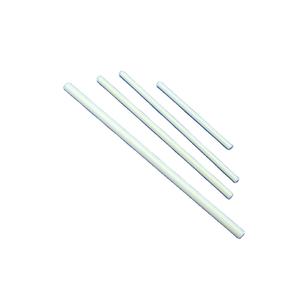
High Toughness ZrO2 Zirconia Ceramic Raw Material Plate
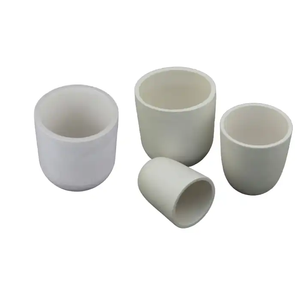
Customization Industrial Insulation High Precision High Purity CeramicsStructural Parts Zirconia Ceramic
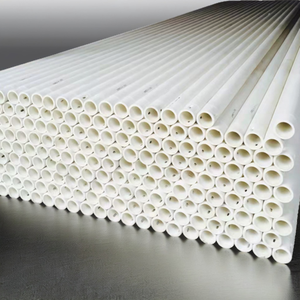
Ceramic Sensor Stabilized Zirconium Oxide Zirconia Tube Oxygen Probe As Analyzer for Oxygen Measurement
High Hardness Zirconia Ceramic Block With Hole Zirconia Ceramic Brick ZrO2 Ceramic Chunk
Mirror Polished Zirconium Oxide Zirconia Ceramic Plate / Sheet / Tile / Substrate